The final week of August 2026 provided a fascinating cross-section of the design world, ranging from high-stakes industrial engineering and geopolitical support efforts to the quiet, introspective craft of textile art. As the global design community continues to grapple with sustainability, user-centric interfaces, and the encroaching reality of ubiquitous surveillance, the projects highlighted this week demonstrate that thoughtful design remains our most effective tool for navigating a complex world.
From the architectural ingenuity of disappearing balconies to the sobering reality of Wi-Fi-based surveillance, this report details the essential breakthroughs and creative milestones that defined the industry this week.
1. The Main Facts: Defining the Week in Design
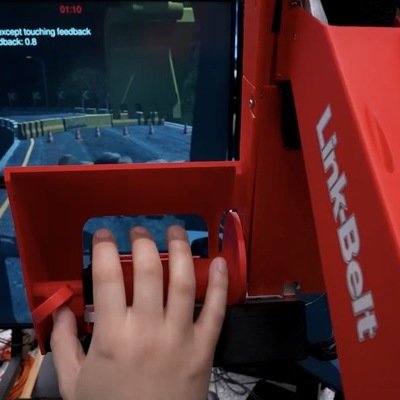
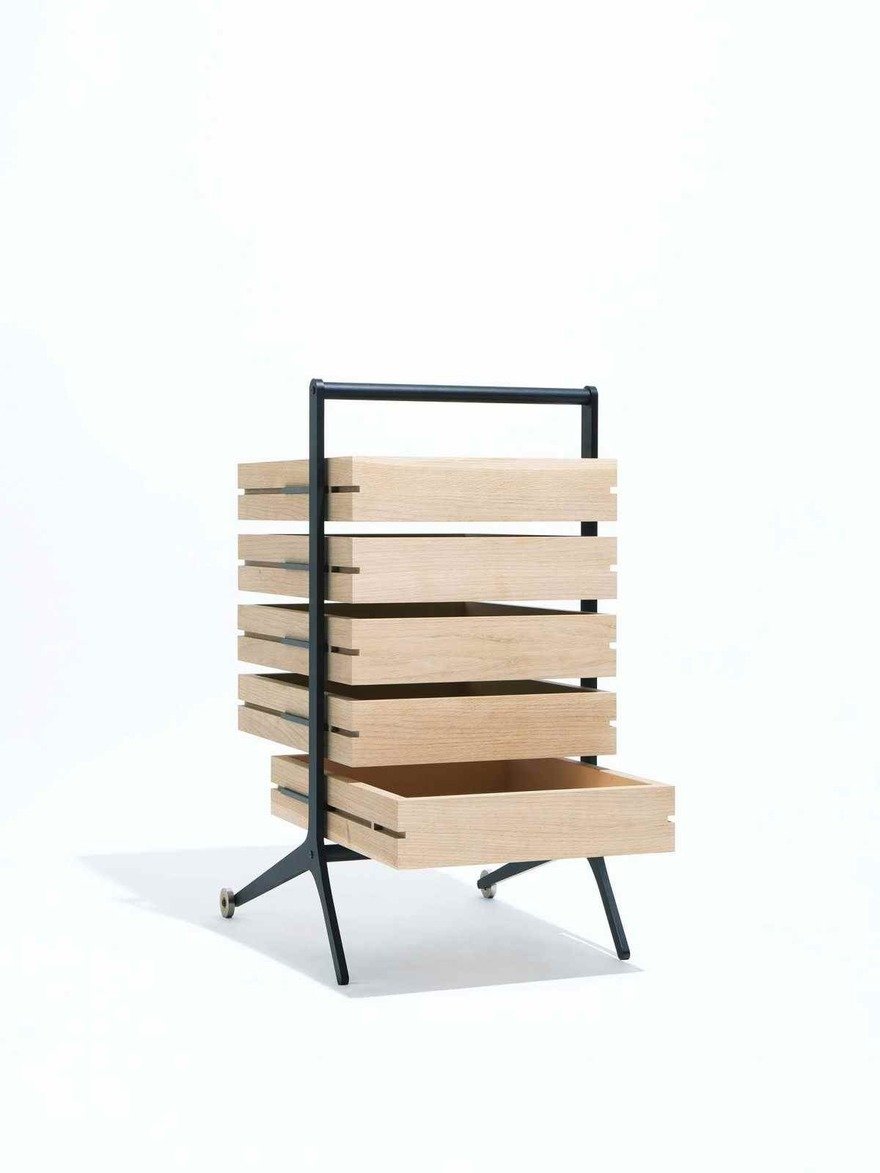
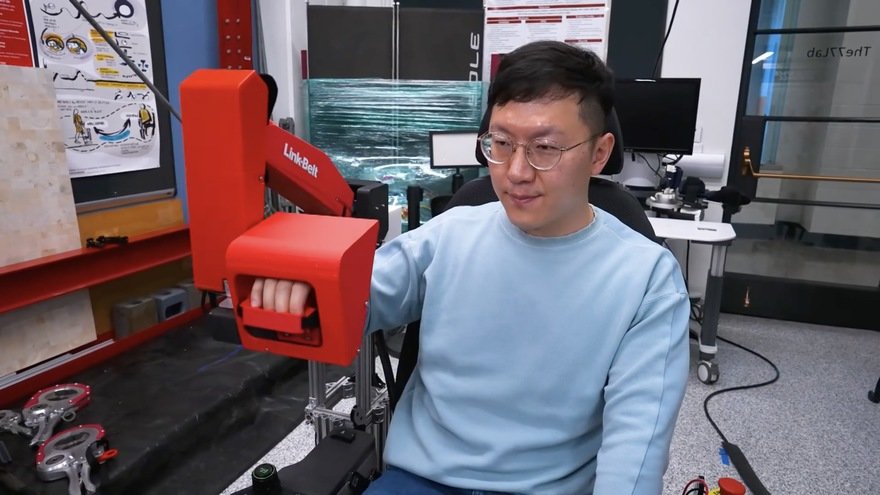
The week of August 24–28, 2026, was marked by a diverse array of innovations. Architect Keiji Ashizawa pushed the boundaries of modular furniture with experimental mobile drawer designs, while the intersection of heavy industry and human-computer interaction (HCI) saw a major breakthrough as MIT and Sumitomo unveiled a redesigned UI for excavators.
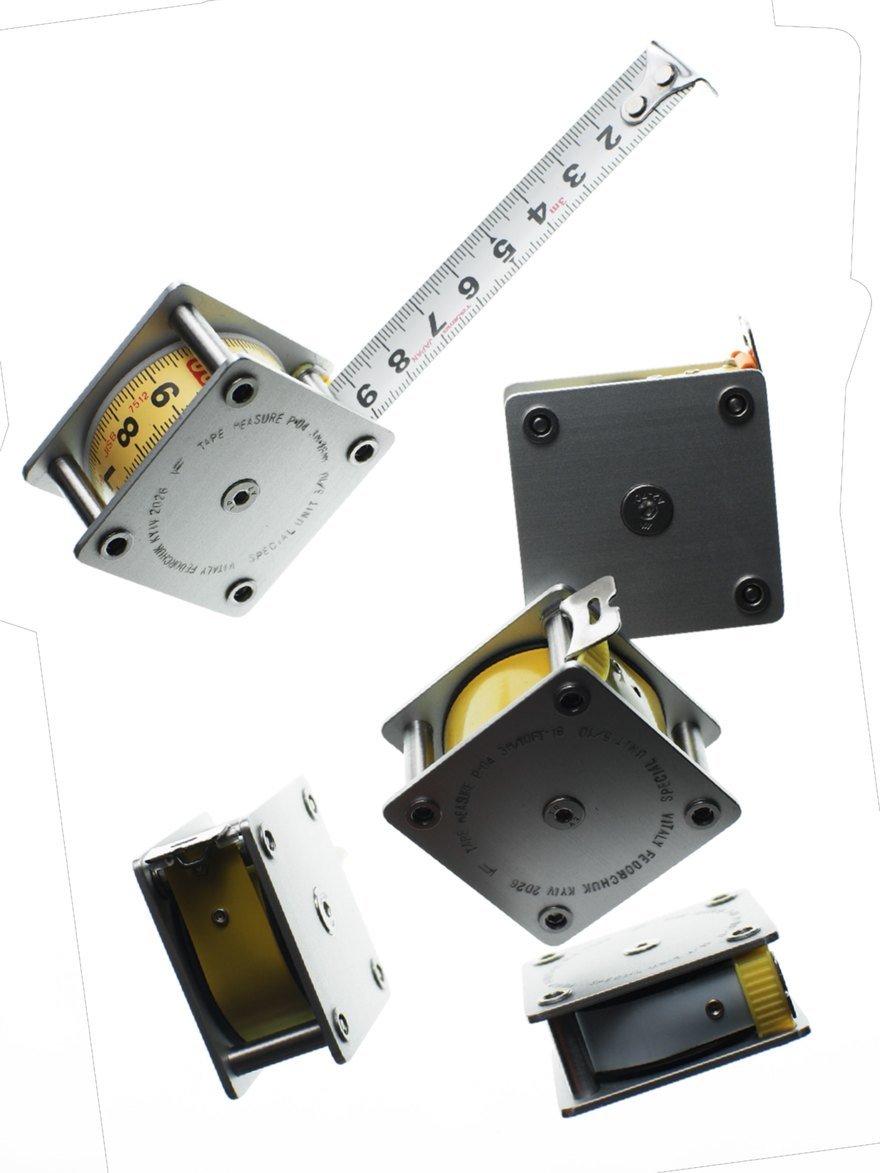
Perhaps most poignant was the report on how industrial designers are repurposing standard tools—specifically deconstructed tape measures—to support defensive efforts in Ukraine. On the consumer front, the long-awaited arrival of the Fairphone Gen. 6+ in the United States marked a significant victory for the "Right to Repair" movement, providing a durable, user-serviceable alternative to the disposable smartphone market.
2. Chronology of Developments
- August 24: The week opened with a focus on interior modularity, as Keiji Ashizawa showcased new mobile drawer systems designed for flexible workspaces.
- August 25: Engineering and industrial safety took center stage. MIT and Sumitomo released their findings on excavator UI, aimed at reducing operator fatigue and error. Simultaneously, stories emerged regarding the creative repurposing of measuring tools in humanitarian efforts.
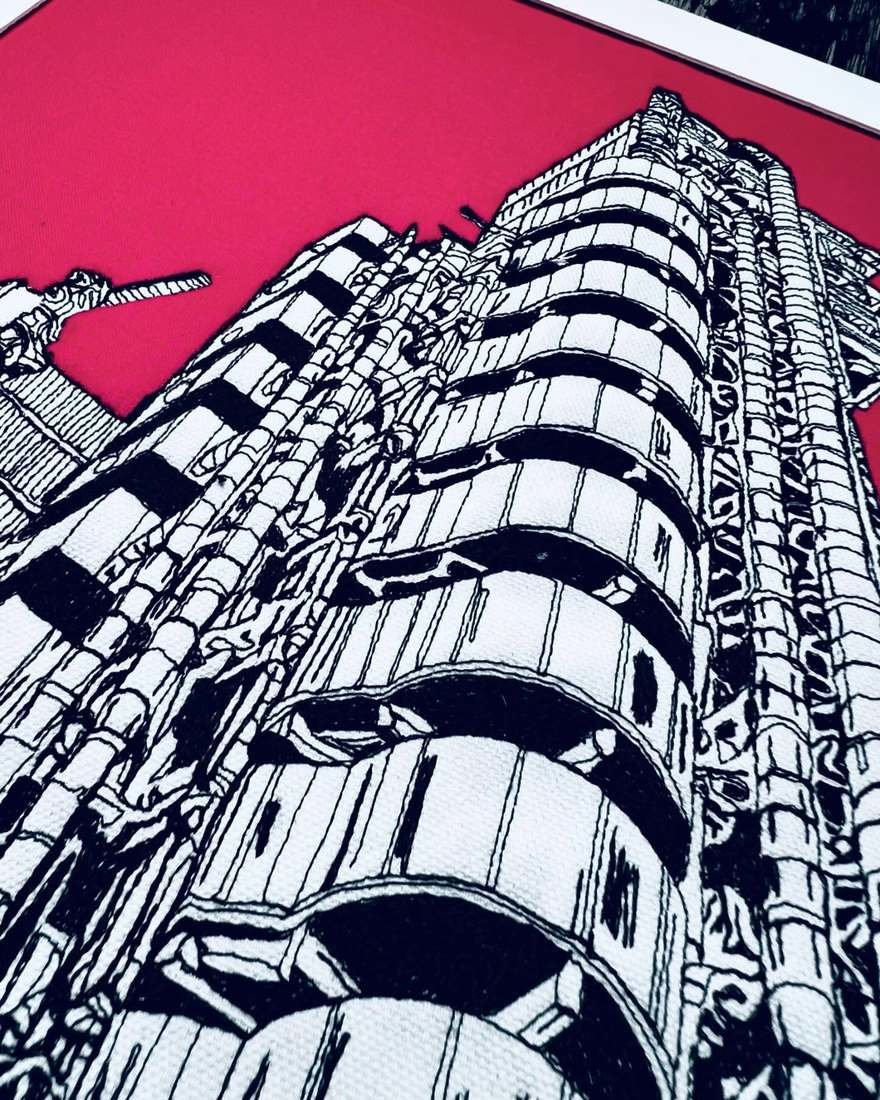
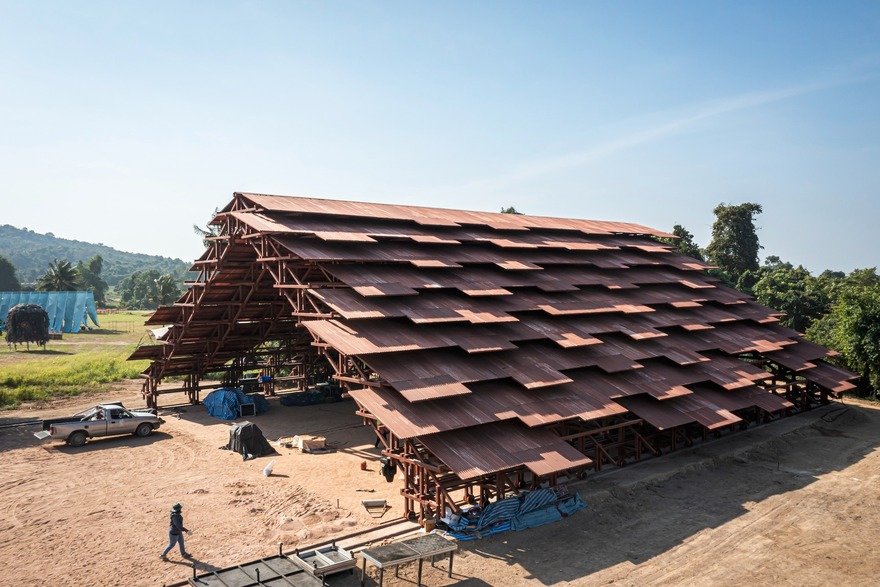
- August 26: The spotlight shifted to artistic and structural architecture. Textile artist Ali Hill gained attention for her sewing-machine-rendered architectural drawings, while Bangkok Project Studio unveiled a "non-architecture" pavilion that utilizes a complex, function-driven roof structure.
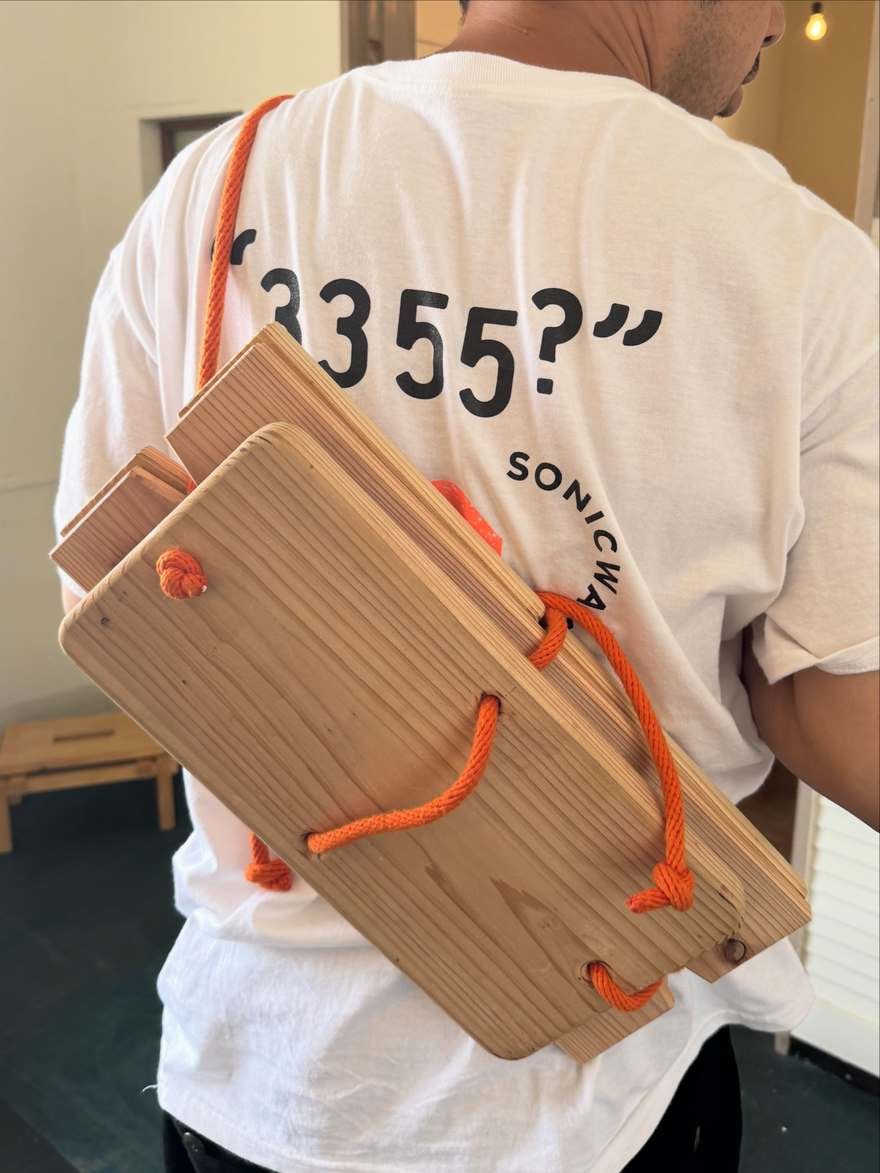
- August 27: Consumer electronics and household utility dominated. The Fairphone Gen. 6+ made its U.S. debut, and discussions intensified regarding the "Rope Stool," a collaborative effort between Swedish and Japanese design houses.
- August 28: The week concluded with a look at the future of infrastructure and security. Investigations into Wi-Fi-based movement tracking raised ethical alarms, while product designers Julien Bernard and the creators of the Twinshaver demonstrated that innovation can be found in even the most mundane daily rituals.
3. Supporting Data: Efficiency, Sustainability, and Form
The week’s projects were backed by a commitment to data-driven design.
The Thermal Cost of Aesthetics
A notable investigation this week addressed the practical differences between black and white vehicles during peak summer heat. By quantifying the air conditioning load required to cool vehicles of varying exterior pigments, the analysis offered a stark reminder that aesthetic choices have direct energy-consumption consequences.
The "Form Follows Function" Pavilion
Bangkok Project Studio’s latest pavilion is a masterclass in vernacular engineering. While the roof appears chaotic to the untrained eye, the geometry is strictly dictated by the necessity of airflow, light dispersion, and material efficiency. It serves as a prime example of "non-architecture"—where the building is a tool rather than a monument.
The DTILE System
The invention of DTILE represents a shift in interior spatial design. By creating a tile system specifically engineered for three-dimensional geometry, the designers have allowed for seamless transitions between walls, furniture, and fixtures, effectively turning surfaces into structural components.
4. Official Responses and Industry Perspectives
The "Right to Repair" Milestone
The arrival of the Fairphone Gen. 6+ in the United States has been met with widespread acclaim from tech advocacy groups. By offering modular, user-replaceable components, Fairphone challenges the industry standard of planned obsolescence. Industry analysts suggest that this shift could pressure larger manufacturers to reconsider their own sealing and repair policies as environmental regulations tighten in North America.
The Legacy of Conflict: Loewy vs. Exner
In a look back at historical industrial design, the rivalry between Raymond Loewy and Virgil Exner was revisited. This "beef" serves as a crucial case study for modern designers, illustrating how clashing visions for automotive aesthetics can fundamentally alter the trajectory of an entire industry. The debate highlights the tension between, as Loewy put it, "the MAYA principle" (Most Advanced Yet Acceptable) and the aggressive, high-concept styling favored by Exner.
5. Implications: The Darker Side of Innovation
While much of the news was celebratory, a significant portion of the week was dedicated to the ethical implications of modern technology.
The Wi-Fi Surveillance Paradox
The revelation that modern Wi-Fi networks can track human movement without the need for cameras or wearable devices has sparked a debate on digital privacy. Researchers have demonstrated that the signal interference caused by human bodies in a room is sufficient to map movement, posture, and even breathing. This "accidental surveillance system" implies that our existing infrastructure is becoming a tool for tracking, a development that complicates the relationship between smart-home technology and the right to privacy.
Humanitarian Design
The deconstructed tape measures being utilized in Ukraine demonstrate the agility of the design community. When professional designers pivot their skills toward the immediate needs of a crisis, the result is not just a tool, but a symbol of resilience. This week’s reports emphasize that industrial design is rarely a vacuum; it is deeply entwined with the geopolitical landscape.
6. Closing Thoughts: The Intersection of Craft and Tech
As we look back at the breadth of work covered this week—from the tactile, mechanical simplicity of the Berninox 316 stainless steel toothbrush to the complex, algorithm-driven tracking of Wi-Fi routers—it is clear that the role of the designer is becoming increasingly multifaceted.

We are seeing a trend toward "intentional permanence." Whether it is the Fairphone’s commitment to hardware longevity, or the move toward architectural elements that serve multiple purposes, the design language of late 2026 is moving away from the ephemeral and toward the durable.
However, this move toward durability must be balanced against the rapid, often invasive, advancement of sensing technology. As designers, architects, and engineers, the challenge for the remainder of the year will be to harness the efficiency of modern systems—like the excavator UI or the DTILE system—without sacrificing the human-centric values that prevent us from becoming mere subjects of the systems we build.
The Weekly Roundup serves as a reminder: design is a record of our priorities. By examining these projects, we can see exactly what the world is currently striving for: smarter machines, more resilient tools, and a cautious, searching look at the invisible digital threads that bind our lives together.
About the Author