For millions of men worldwide, the decision to embrace hair loss by shaving the head is more than a style choice; it is a declaration of confidence. However, the practical reality of maintaining a smooth, clean-shaven scalp often clashes with the limitations of existing consumer grooming technology. For the modern man, the ritual of head shaving is frequently a source of frustration, characterized by awkward angles, messy countertops, and the persistent fear of accidental nicks.
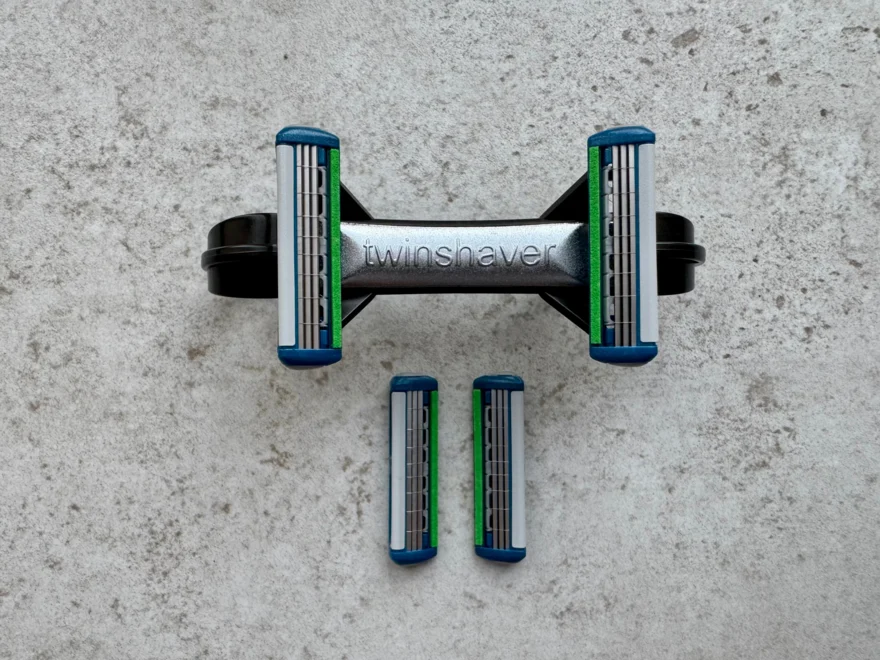
Enter Ziggy Storbeck, a German inventor and self-described "proud bald man," who sought to solve these perennial problems through mechanical ingenuity rather than complex digital integration. His invention, the Twinshaver, represents a return to "low-tech" brilliance, focusing on ergonomics and safety to streamline a process that has remained largely unchanged for decades.
Main Facts: The Anatomy of a Better Shave
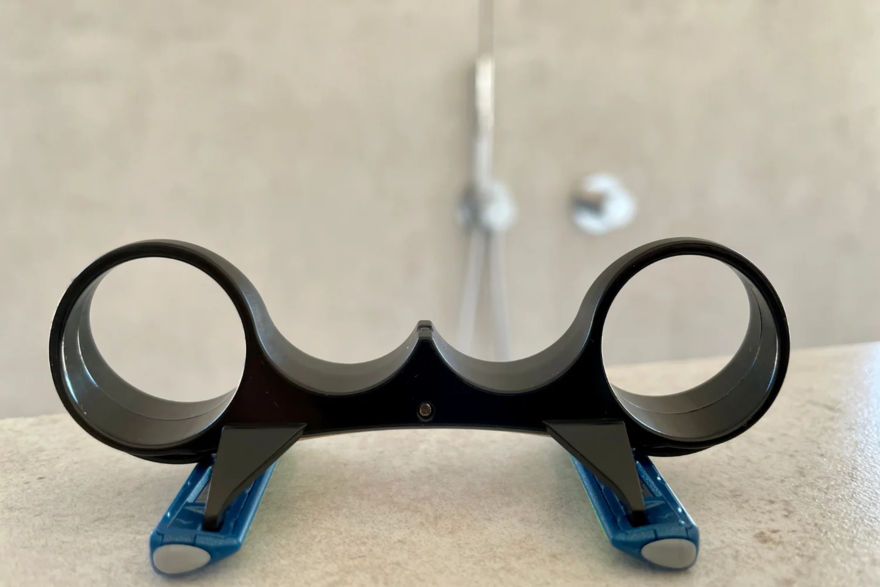
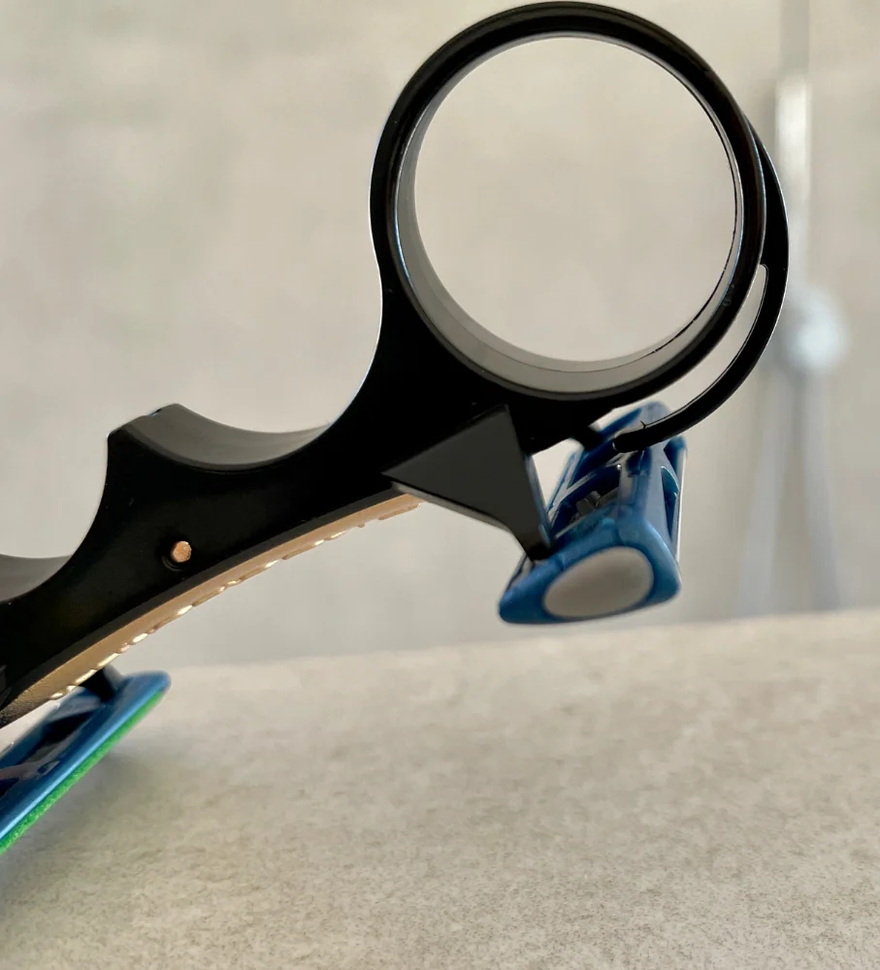
The Twinshaver is, at its core, a testament to the design philosophy of "form follows function." Unlike traditional electric shavers, which often require dry skin and constant cleaning, or manual razors designed primarily for the contours of a face, the Twinshaver is engineered specifically for the topography of the human skull.
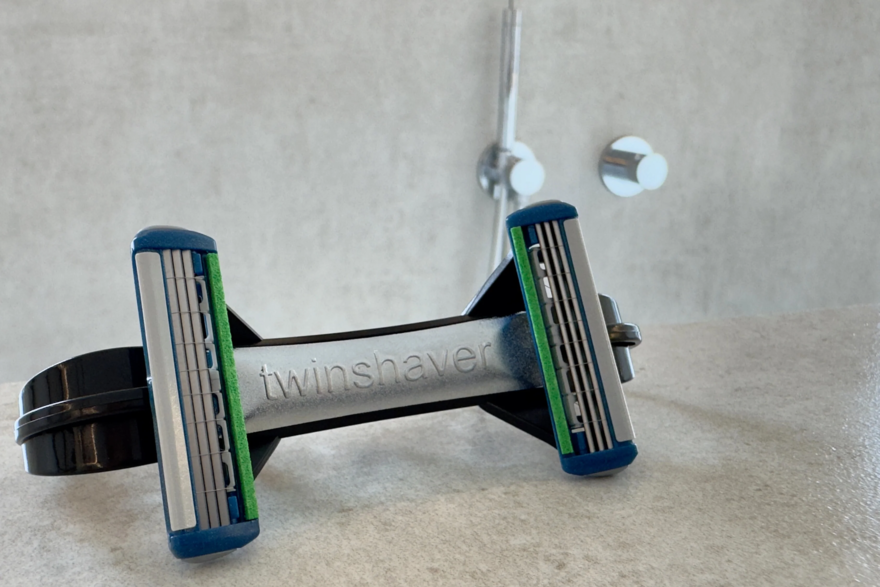
The device features a secure, palm-fitting handle that allows for a natural range of motion, reducing the physical strain typically associated with reaching the back of the head. By utilizing two Wilkinson Sword "Protector 3" cartridges, the device offers a dual-action shaving experience. This configuration allows the user to cover more surface area in a single pass, significantly cutting down on the time required to complete the grooming process.
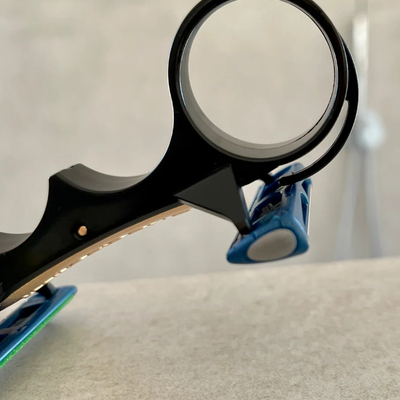
Perhaps most importantly, the Twinshaver is designed to be used in a running shower. By allowing the water to rinse away hair and soap buildup in real-time, it eliminates the "mess factor" that often drives men to use electric trimmers in dry, cold environments. The result is a seamless integration of grooming into the morning hygiene routine, removing the barrier between "needing a shave" and "having the time to do it."
Chronology: From Frustration to Market Longevity
The journey of the Twinshaver is not a tale of a "get-rich-quick" gadget, but rather a decade-long study in product refinement and market endurance.
The Genesis (Circa 2010–2012): The initial concept was born from Storbeck’s personal dissatisfaction. As a man who shaved his head daily, he found that standard razors were inefficient for the scalp, and electric shavers were either too loud, too delicate, or required the aforementioned "dry-shave" misery.
Prototyping and Engineering: Storbeck focused on finding the right geometry. He needed a device that could mimic the natural sweep of a hand moving over the curvature of the skull. By choosing to incorporate the Wilkinson Sword Protector 3 cartridges, he leveraged existing, reliable technology—specifically cartridges known for their safety wires, which minimize the risk of cuts—and built a bespoke handle architecture around them.
Market Entry: The Twinshaver officially launched over a decade ago. While many grooming products succumb to the rapid churn of the consumer market, the Twinshaver found a dedicated niche. Its longevity is a testament to its durability and the satisfaction of its user base. It bypassed the "disruptor" phase and moved directly into "reliable utility" status, building a community of loyalists who value the device’s consistency over the novelty of newer, battery-powered alternatives.
Supporting Data and Technical Specifications
When evaluating the Twinshaver, the data suggests a focus on accessibility and cost-efficiency. Priced at $47, the device is positioned as a mid-range investment. While more expensive than a disposable razor, it is significantly more affordable than high-end rotary head shavers, which often range from $100 to $200 and require expensive, proprietary replacement heads.
- Ergonomics: The grip is designed for ambidextrous use, allowing for easy maneuvering around the crown, occipital bone, and behind the ears.
- Cartridge Compatibility: By utilizing the Wilkinson Sword Protector 3, the Twinshaver ensures that users are not locked into a "razor-and-blade" ecosystem that uses non-standard parts. These cartridges are widely available, providing a lower total cost of ownership over time.
- Maintenance: At $21 for a pack of 16 cartridges, the operational cost is relatively low compared to other premium shaving systems.
- Versatility: While marketed for the scalp, the design is highly effective for other areas, including the chest, arms, and legs. This versatility allows the Twinshaver to serve as a comprehensive body-grooming tool.
Official Responses and User Reception
Ziggy Storbeck has been vocal about the "why" behind the Twinshaver. In various interviews and company literature, he emphasizes that the device was created to reduce the "unnecessary straining of the arm." For many users, the act of reaching backward to shave the back of the head is a source of muscle fatigue and poor visibility.
User feedback over the last ten years has largely centered on three pillars: safety, speed, and comfort. Because the Protector 3 cartridges are designed with safety wires, users report a drastic reduction in razor burn and nicks—a common complaint with single-blade safety razors or aggressive multi-blade systems.
"I wanted to revolutionize head shaving," Storbeck has stated. The community feedback suggests he succeeded not by adding features, but by stripping them away. In a market crowded with "smart" razors, Bluetooth-connected trimmers, and complex sensors, the Twinshaver’s low-tech approach resonates with a demographic that prefers a quiet, meditative shower experience over one involving buzzing motors and charging cables.
Implications: The Shift Toward "Low-Tech" Grooming
The success of the Twinshaver serves as a case study for a broader trend in consumer products: the "analog renaissance."
The Sustainability Factor
There is an implicit environmental argument for the Twinshaver. Electric shavers are composed of plastics, lithium-ion batteries, and complex circuit boards, all of which contribute to e-waste when the battery inevitably fails or the motor burns out. The Twinshaver, being a manual device with a long service life, minimizes electronic waste. For the environmentally conscious consumer, the "low-tech" path is the more sustainable one.
The Return to Ritual
In the modern world, grooming is often treated as a chore to be completed as quickly as possible. The Twinshaver, however, requires a slightly more deliberate pace. It encourages the user to be present in the shower. This shift in perspective—viewing grooming as a ritual rather than a task—is a subtle but significant mental health benefit for many.
Impact on the Grooming Industry
The Twinshaver proves that there is still a massive, underserved market for specialized tools that address specific physical needs. Large conglomerates often focus on "all-in-one" devices that promise to do everything but often master nothing. Storbeck’s success demonstrates that a singular focus—the scalp—allows for a level of precision that general-purpose tools cannot replicate.
Conclusion: A Durable Solution for a Timeless Look
As the bald aesthetic continues to be a standard of modern masculinity, the tools required to maintain it will continue to evolve. Yet, the Twinshaver reminds us that innovation does not always mean adding complexity. Sometimes, the most "innovative" thing a product can do is solve a problem so effectively that the tool itself becomes invisible.
By focusing on the anatomy of the head and the mechanics of the hand, Ziggy Storbeck has provided a lasting solution to a daily frustration. Whether it is the ergonomic handle, the reliable blade compatibility, or the sheer simplicity of its design, the Twinshaver stands as a hallmark of practical invention. For the man who values efficiency, safety, and a clean-shaven aesthetic, it remains a compelling, high-utility addition to the bathroom shelf.
In a world increasingly dominated by the digital, there is a quiet, profound satisfaction in using a tool that simply works, every single time, without the need for an app, a battery, or a software update. The Twinshaver is not just a razor; it is a rejection of unnecessary complexity, proving that the best way forward is often a return to the fundamentals of good design.
About the Author