In the world of industrial design, the most profound innovations are often not those that shout, but those that whisper—solving perennial, frustrating problems with elegant, almost invisible simplicity. Such is the case with the Aroma sauté pan, originally conceived by the acclaimed British industrial designer Sebastian Bergne and recently brought to a global audience under the banner of Robusto by French cookware giant Tefal.
While the kitchen is a space rife with tools that have remained largely unchanged for decades, Bergne’s redesign of the humble sauté pan lid offers a masterclass in User Experience (UX) design. By re-evaluating the physical interactions between a cook, a hot pan, and the inevitable mess that follows, Bergne has created a piece of kitchenware that elevates the mundane act of cooking into a seamless, intuitive process.
The Main Facts: A Paradigm Shift in Kitchen Utility
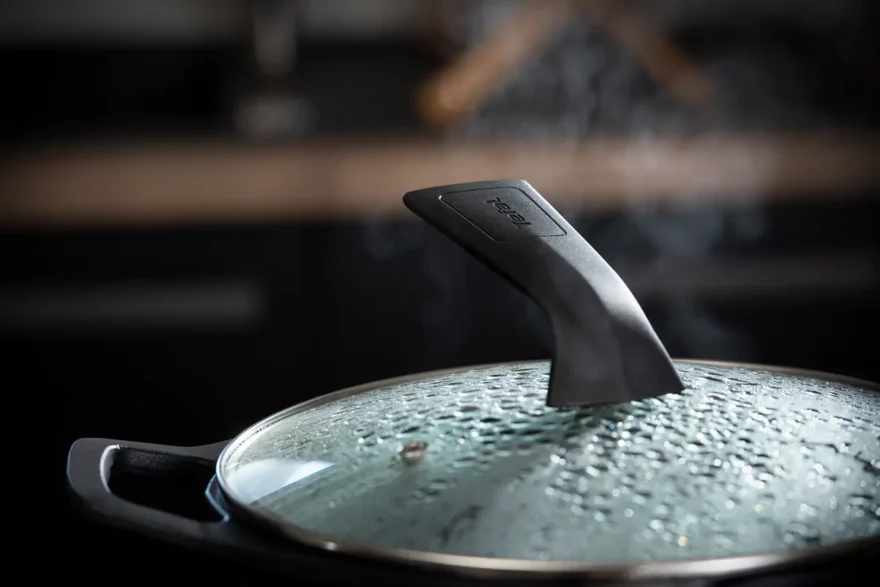
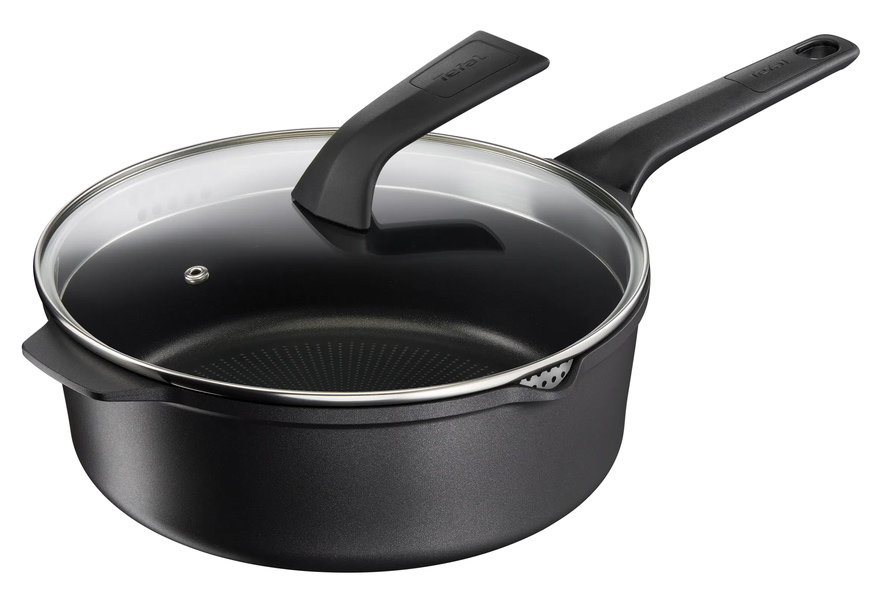
At first glance, the Robusto sauté pan looks like any high-end professional cookware. However, a closer inspection of its lid reveals three distinct, user-centric features that address the most common grievances of the home cook: counter space management, condensation control, and functional versatility.
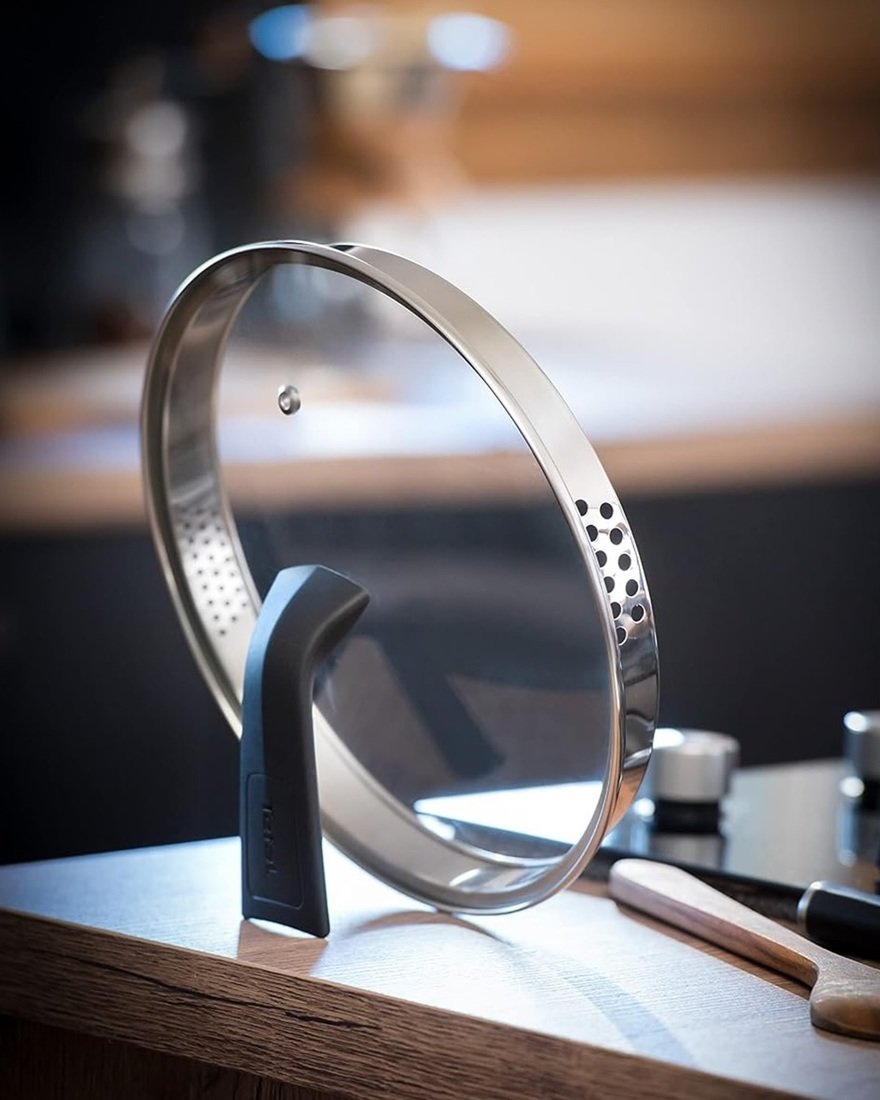
The primary innovation lies in the handle geometry. Unlike traditional lids that must be awkwardly balanced on a counter—often occupying precious real estate and leaving a ring of hot moisture—the Robusto lid is designed to stand upright on its own. By integrating the handle into the structural footprint of the lid, Bergne has effectively transformed a flat, cumbersome object into a self-supporting tool.
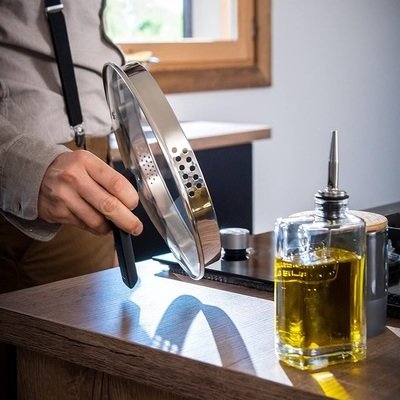
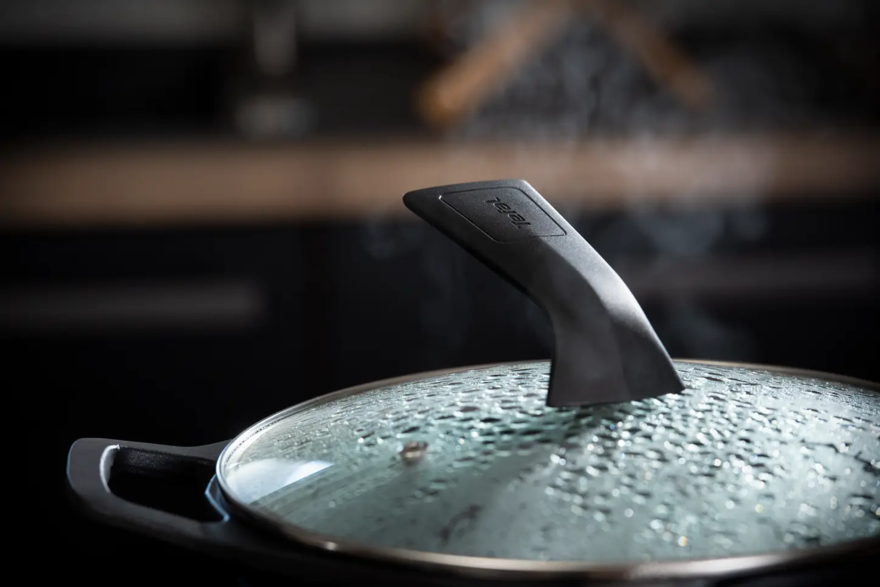
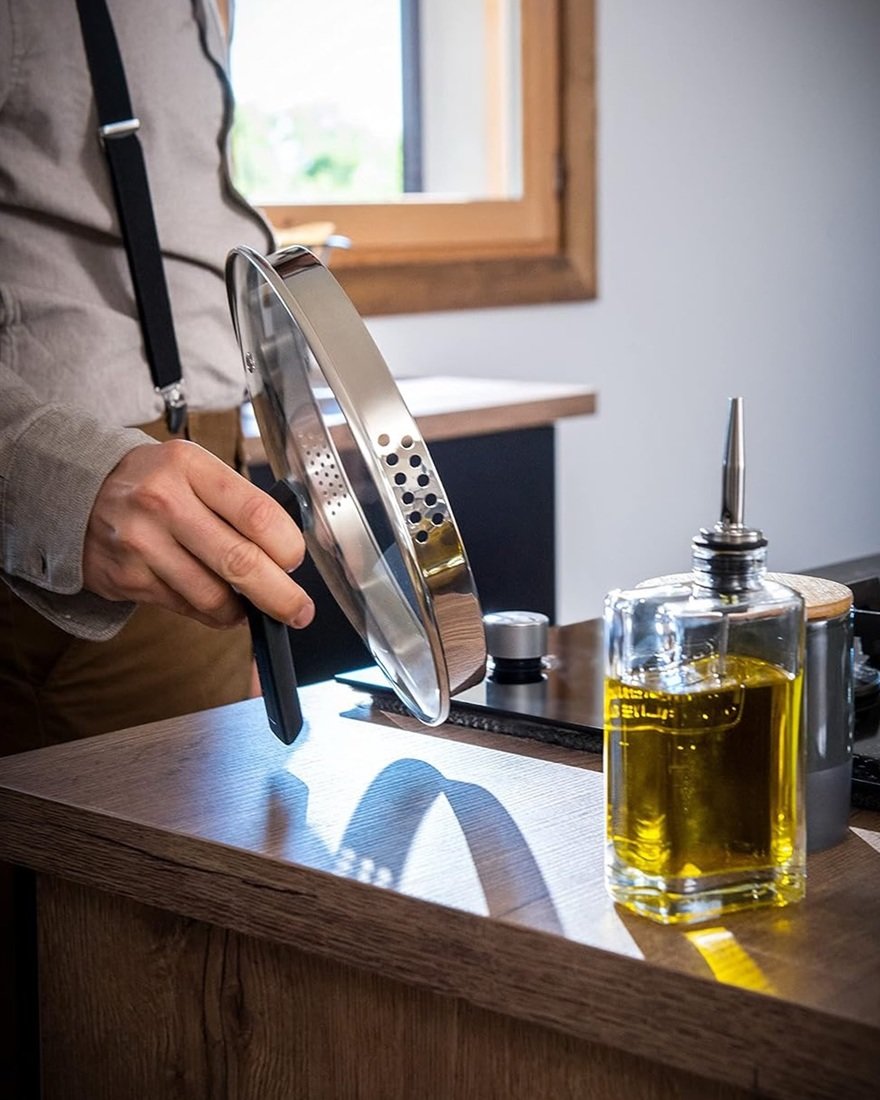
Beyond the upright storage, the lid incorporates a "condensation catch" rim. This subtle, angled geometry ensures that when the lid is removed, any liquid clinging to the interior surface is directed away from the counter and back into the pan, maintaining a clean workspace. Finally, the lid serves a secondary function as a variable-flow colander, utilizing the handle position to align drainage holes with integrated pouring spouts on the pan’s rim.
A Chronology of Innovation: From Concept to Global Kitchen
The journey of this design from a designer’s studio to the global stage is a testament to the longevity of good industrial design.
- 2018: The Genesis of Aroma. Sebastian Bergne, known for his ability to strip away the unnecessary and focus on the essential, launched the Aroma line. It was initially tailored for the European market, where small kitchen footprints often demand space-saving solutions.
- 2018–2023: The European Proving Ground. During this period, the design gained traction among culinary enthusiasts who lauded the tactile feedback of the lid’s alignment system. The "Aroma" branding became synonymous with a specific niche of high-functionality, minimalist design.
- 2024: The Global Pivot to "Robusto." Recognizing that the demand for ergonomic, high-utility cookware was not confined to Europe, Tefal made the strategic decision to rebrand the collection as Robusto. This transition marked the move from a regional success to a worldwide product offering, signaling a shift in Tefal’s portfolio toward products that emphasize "smart" engineering.
Supporting Data: Why Small Details Create Big Impact
UX design in physical objects—often termed "Physical UX"—relies on how an object communicates its function through its form. In the case of the Robusto, the design employs "affordances," a concept championed by Don Norman, the godfather of user-centered design.
The Anatomy of the Lid
The lid’s dual-sided drainage system is a perfect example of physical feedback. By rotating the lid 180 degrees, the user chooses between a coarse-strainer setting and a fine-strainer setting. The handle acts as a visual and tactile indicator; when the lid handle is parallel to the pan handle, the colander is engaged.
From a materials science perspective, the integration of these features into a single lid assembly requires precise manufacturing tolerances. Ensuring that the lid maintains its seal for cooking while allowing for a secure "locked" position for straining requires a balance of weight and heat-resistant material integrity. Tefal’s ability to mass-produce this design while maintaining the strict tolerances required for the straining function has been a key factor in the product’s success.
Official Responses and Industry Reception
Sebastian Bergne has long maintained that his work is defined by the idea that "design is about the experience of the user, not just the aesthetic of the object." In various design forums, the reception of the Aroma/Robusto line has been overwhelmingly positive, with critics citing it as a "textbook example of how to modernize a tool that has been stagnant for centuries."
Tefal, for its part, has framed the move to the Robusto branding as part of a wider commitment to "Kitchen Intelligence." In promotional literature, the company emphasizes that modern cooking is as much about the efficiency of the workflow as it is about the recipe itself. By rebranding, Tefal is positioning the line as a flagship for their commitment to engineering-led cooking, moving away from purely aesthetic marketing to a focus on utility.
Implications: The Future of Culinary UX
The success of the Robusto line holds significant implications for the broader cookware industry.
1. The Death of the "Single-Use" Tool
Historically, home cooks have relied on a suite of single-use tools: colanders, pot lids, and spoon rests. The Robusto lid represents a trend toward multi-functional design, where the lid itself eliminates the need for separate straining tools and counter-top clutter. This "consolidation of utility" is likely to become the benchmark for mid-to-high-end cookware lines in the coming decade.
2. The Rise of "Invisible" Ergonomics
For decades, ergonomic design in kitchens focused on knife handles or pan weight. Bergne’s work shifts this focus toward the interaction between objects. The implications for the future are clear: manufacturers will be forced to compete on how well their products integrate into the cook’s workflow. A pan that requires a separate colander will eventually feel as outdated as a manual transmission in a world of smart, intuitive systems.
3. Sustainability through Durability
While "UX" is often associated with software, in the context of the Robusto pan, it has a direct link to sustainability. A product that performs multiple roles effectively—and encourages a cleaner, more organized cooking environment—is less likely to be discarded for a "better" version. By building a tool that solves the "small frictions" of daily life, Bergne has ensured that this pan remains a permanent fixture in the kitchens it inhabits.
Conclusion
The Robusto sauté pan, born from the creative mind of Sebastian Bergne, serves as a poignant reminder that innovation does not always require high-tech sensors or digital integration. Sometimes, it simply requires an observant designer willing to ask why we have tolerated messy, inefficient kitchen tools for so long.
By standardizing the "stand-up" lid and creating a dual-function straining system, Bergne has transformed a simple piece of metal and glass into a highly responsive, user-focused instrument. As the product rolls out globally under the Robusto name, it stands as a standard-bearer for the next generation of culinary tools: products that are as intelligent as they are durable, and as intuitive as they are essential.
Whether you are a professional chef or a home cook looking to reclaim your counter space, the Robusto serves as a prime example of why, in the kitchen, the best design is the one that lets you focus entirely on the food, while the tool itself quietly, perfectly, does the rest.
About the Author