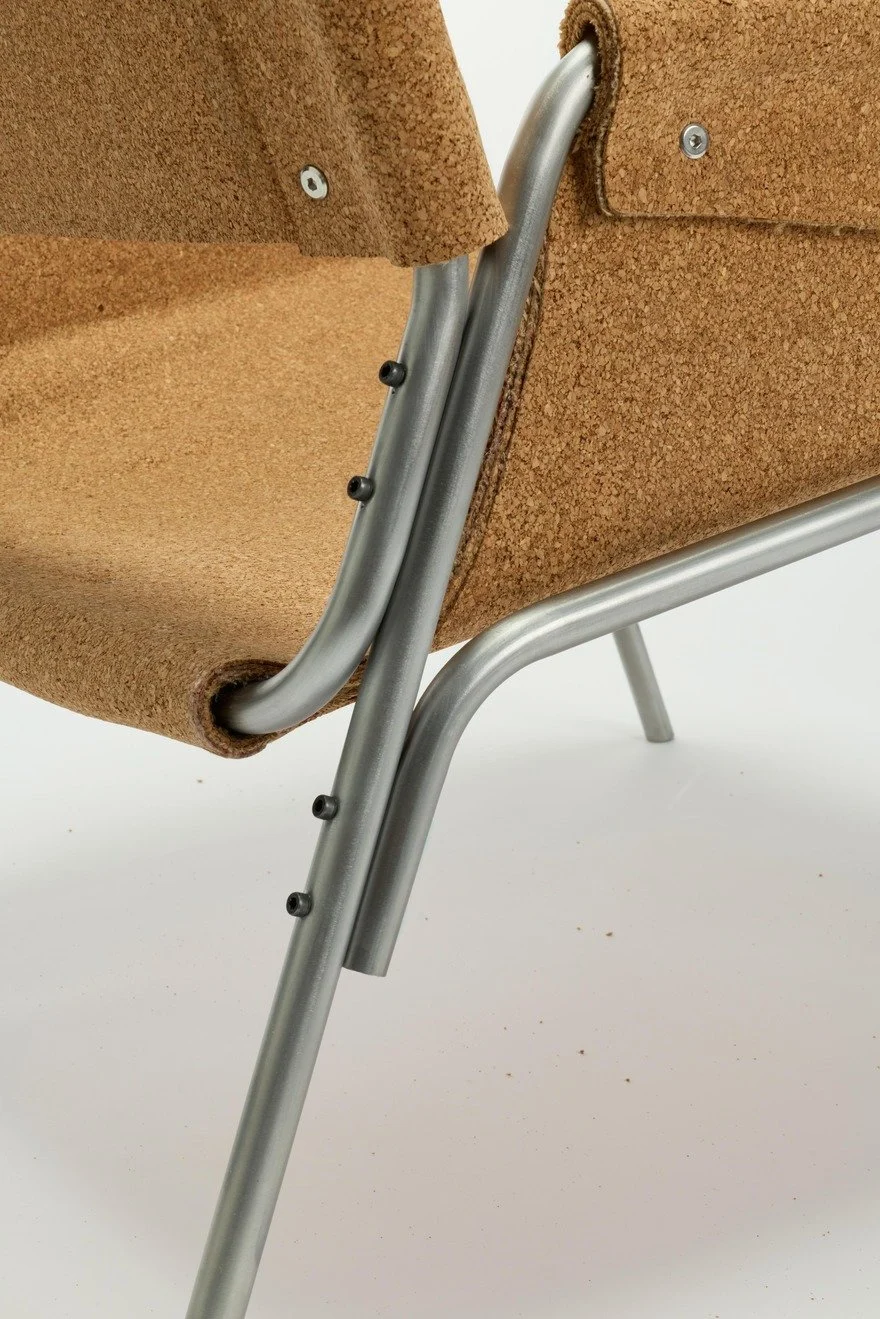
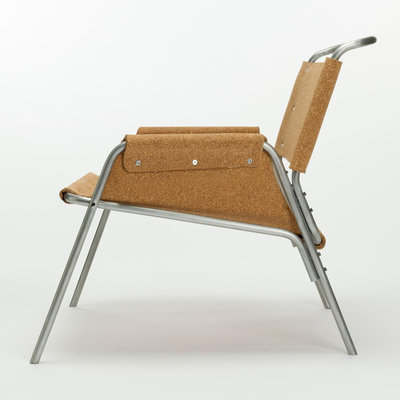
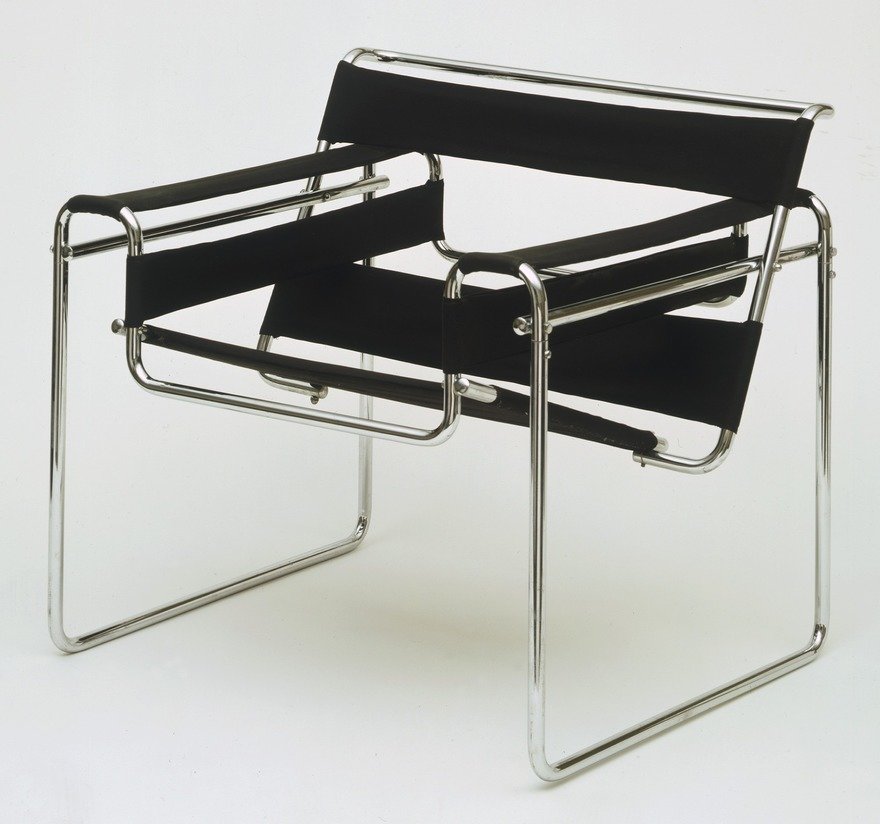
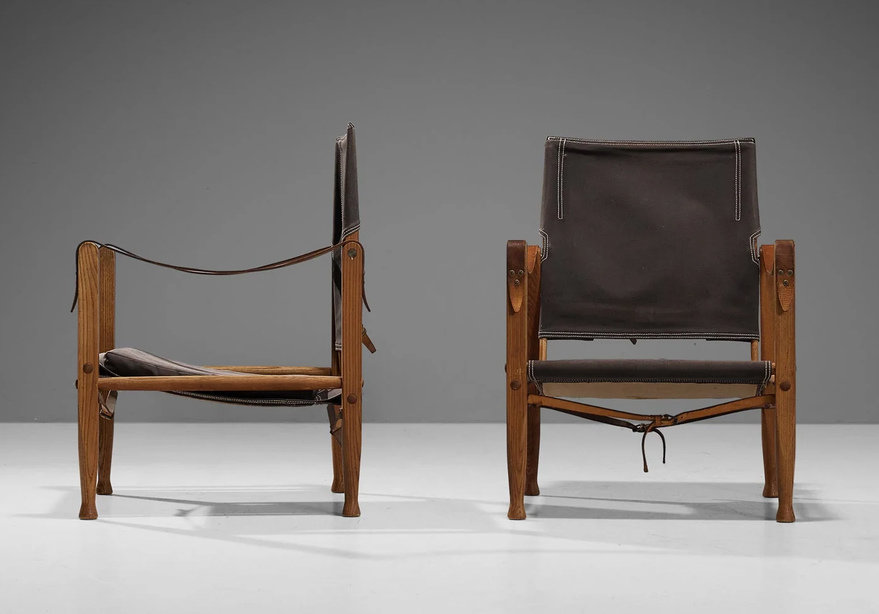
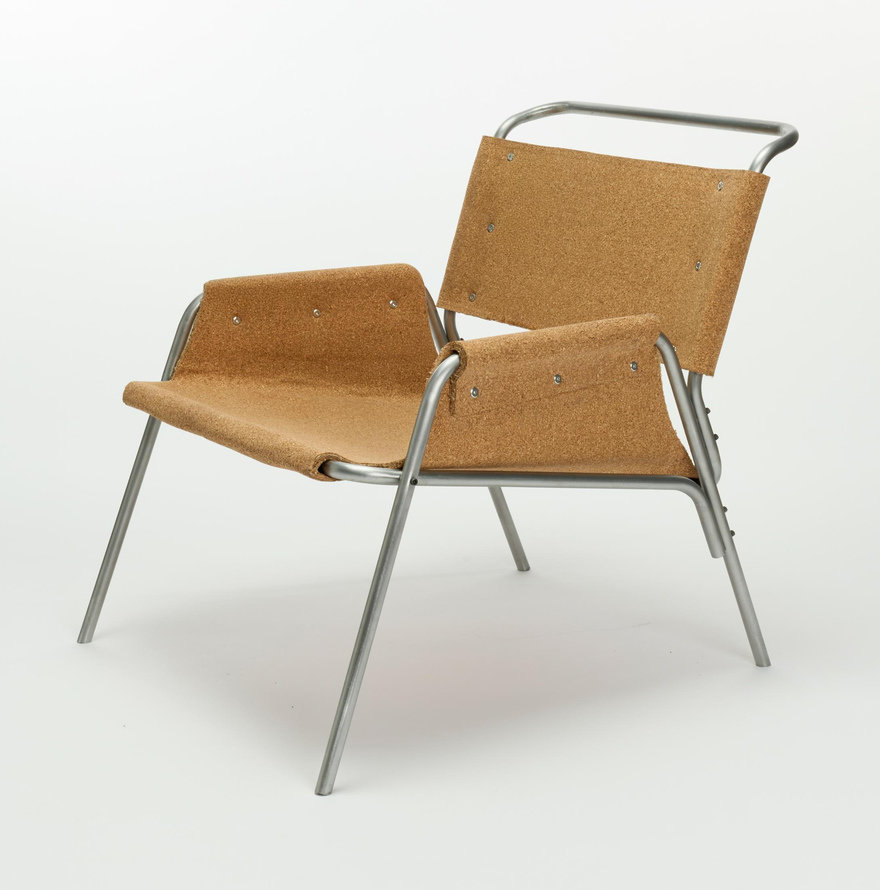
In the annals of 20th-century furniture design, the "slung" chair stands as a milestone of modernist minimalism. During the early and mid-century, iconic designers championed a radical departure from traditional upholstery, opting instead for tension-based structures. By utilizing leather suspended across frames of tubular steel or steam-bent wood, these designers stripped away the bulk of internal springs and foam, revealing the honest architecture of the seat. Today, Copenhagen-based designer Chiara Verde is revisiting this classic typology, not with hide, but with a surprising, sustainable alternative: laminated cork.
Her latest project, Strata, represents more than just an aesthetic exercise; it is a material-driven investigation that challenges our understanding of cork as a purely acoustic or decorative element, transforming it into a high-performance structural protagonist.
The Evolution of the Suspended Seat: A Chronology
To understand the significance of Strata, one must first acknowledge the lineage of the suspended seat.
The Mid-Century Revolution
The early 1900s saw the birth of the cantilever and the tension seat. Architects like Marcel Breuer and Le Corbusier sought to eliminate the "clutter" of Victorian-era furniture. They were driven by the "honesty of materials"—the idea that a chair should look exactly like what it is. The use of stretched leather or canvas became the hallmark of this era, providing a responsive, ergonomic surface that required no heavy cushioning.
The Stagnation of Innovation
As the decades progressed, the furniture industry leaned heavily into plastics, foams, and injection molding. While these technologies offered comfort, they often prioritized mass production over recyclability or ecological sensitivity. The "suspended" concept largely remained tethered to leather, which, while beautiful, raises significant ethical and environmental questions regarding the meat industry and chemical tanning processes.
The Contemporary Shift
In the 2020s, the focus has shifted toward circularity. Designers are no longer just looking at form; they are interrogating the chemical and biological makeup of their materials. Chiara Verde’s entry into this space marks a transition from the "Industrial Modernist" era to a "Bio-Material" era, where sustainability dictates the structural logic of the object.
Material Engineering: The Science of Strata
The core innovation of Strata lies in its composite system. Cork, by its nature, is cellular, lightweight, and inherently flexible. However, as a standalone material, it lacks the tensile strength required to support the weight of a seated human without risking fracture.
The Composite Breakthrough
Verde has bypassed this limitation through a layered lamination process. By alternating thin sheets of high-quality cork with natural fiber textiles, she creates a sandwich structure that mirrors the principles of aerospace engineering.
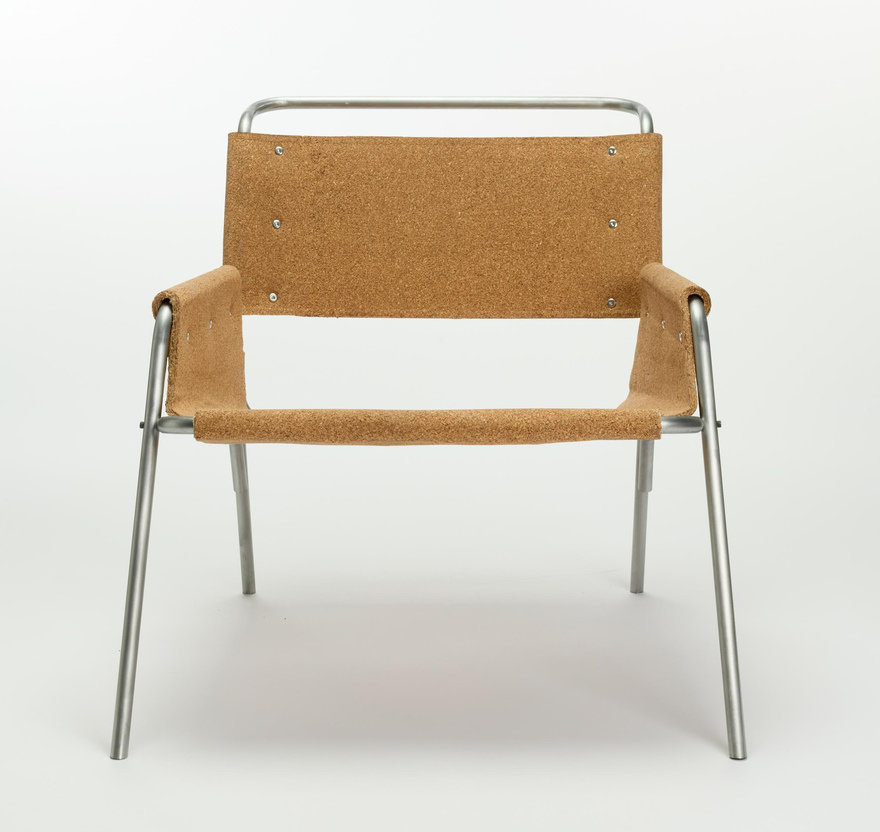
- The Cork Sheets: These provide the volume, warmth, and the unique tactile surface that defines the chair’s character.
- Natural Fiber Reinforcement: By introducing fibers into the lamination, Verde adds directional stiffness. This prevents the material from sagging under load while maintaining the "give" that makes a suspended chair comfortable.
- Active Structure: Rather than being a surface finish applied over a frame, the cork is the structure. It is an active participant in the load-bearing capacity of the piece.
By exploiting the complementary properties of these two materials—cork’s compressive resilience and the fibers’ tensile strength—Verde has successfully transformed a traditionally "soft" material into a lightweight, structural element.
Tectonic Logic and Design Philosophy
"The chair is organised around a clear and intuitive tectonic logic," Verde notes. This philosophy is evident in the way the furniture is assembled. Unlike many contemporary designs that rely on complex, permanent adhesives that render a piece impossible to recycle, Strata is built for the circular economy.
Disassembly as a Design Feature
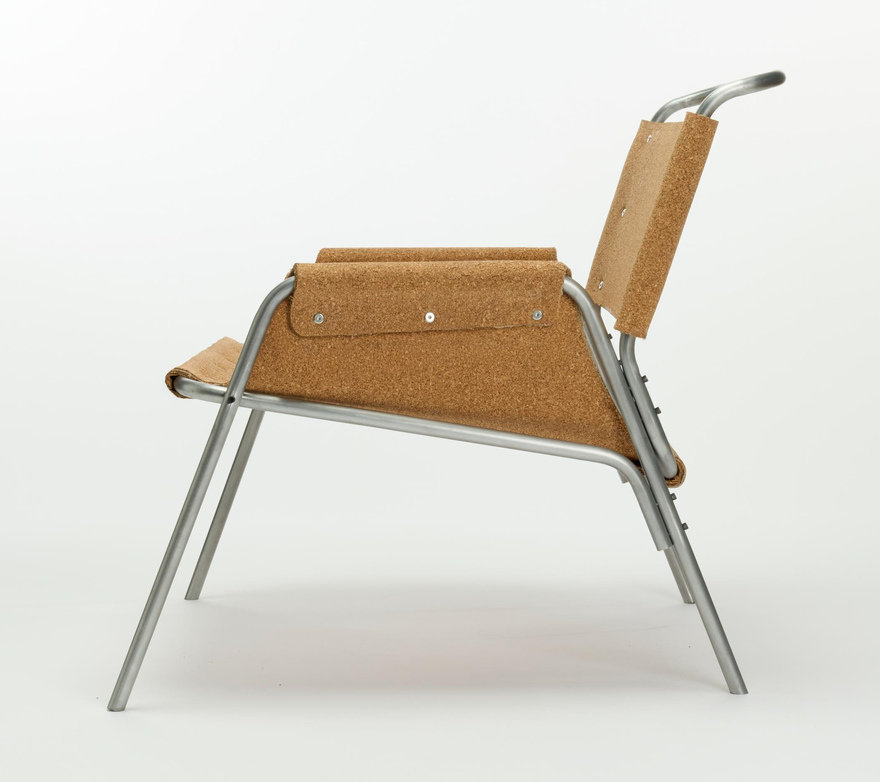
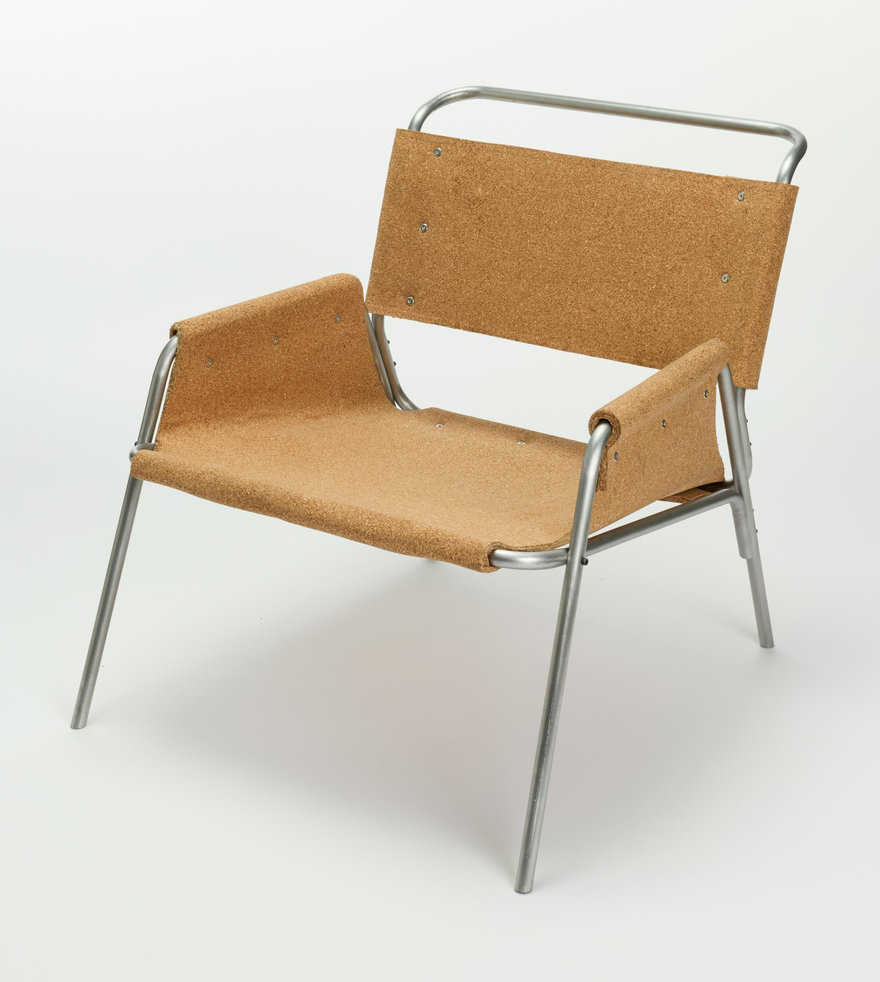
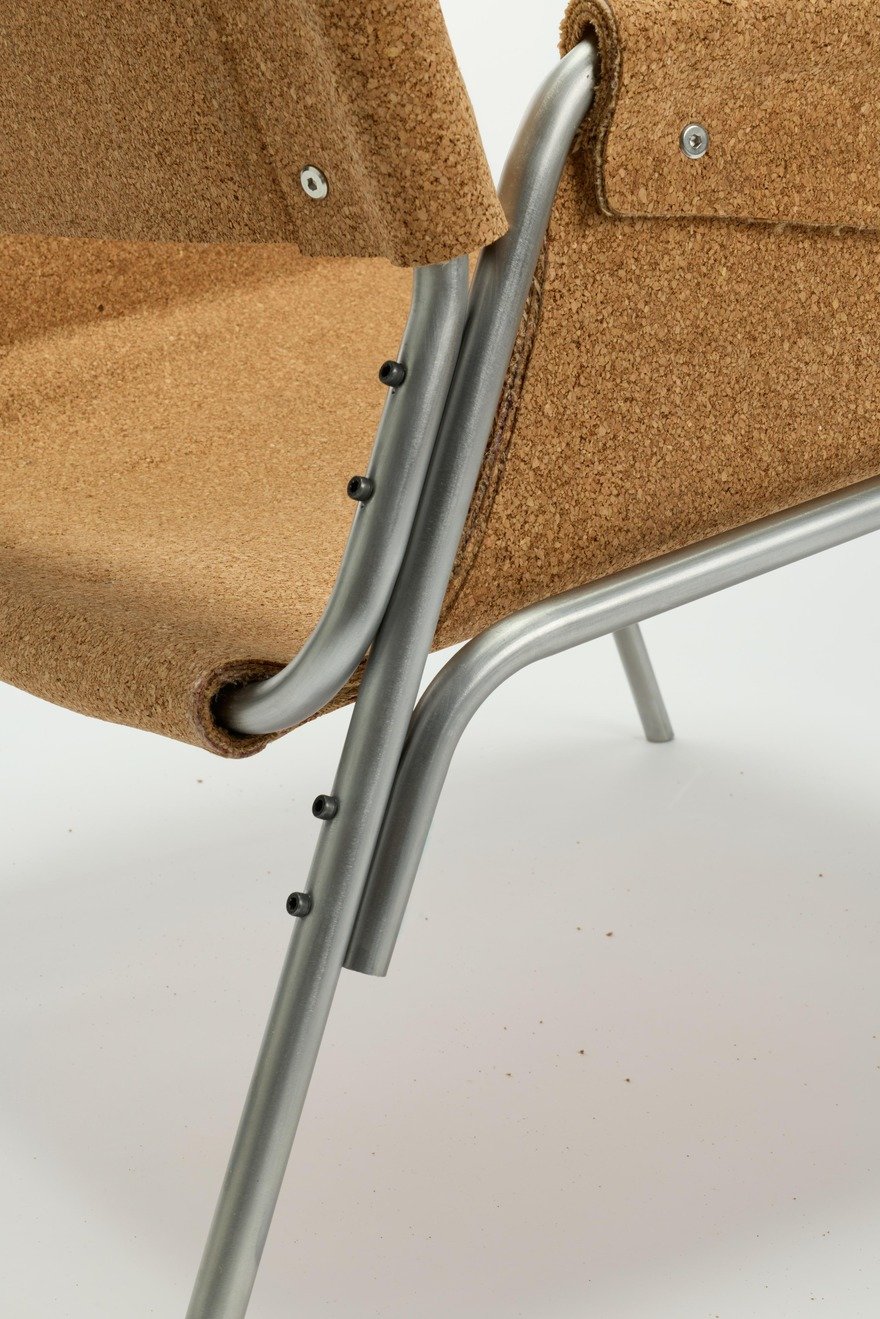
The entire chair consists of only four main components, held together by ten screws. This deliberate simplicity serves several professional design functions:
- Transport Efficiency: The chair can be shipped flat, drastically reducing the carbon footprint associated with logistics.
- Maintenance: If one part of the chair is damaged, the user does not need to discard the entire unit. Individual components can be replaced or repaired, extending the lifecycle of the object indefinitely.
- Material Recovery: At the end of the chair’s life, the components can be easily separated for recycling or composting, fulfilling the "cradle-to-cradle" requirement increasingly demanded by modern consumers.
The minimal metal frame acts as a secondary, supporting actor. It provides structural reinforcement only where necessary, allowing the cork to take center stage. This "less is more" approach ensures that the visual identity of the chair remains focused on the warmth and organic beauty of the cork material.
Implications for the Furniture Industry
Chiara Verde’s Strata is not just a lounge chair; it is a proof-of-concept for the future of sustainable interiors.
Challenging Material Preconceptions
The furniture industry has long categorized materials into "structural" (wood, metal, plastic) and "decorative" (cork, fabric, felt). Strata collapses this binary. If we can successfully engineer cork to act as a load-bearing structural element, the possibilities for other bio-based materials expand exponentially. We could see the rise of mycelium, hemp-based composites, and recycled textile boards replacing traditional steel and solid timber in various home applications.
The Aesthetic of Sustainability
For years, "sustainable" design was often synonymous with a specific "rustic" or "unfinished" aesthetic. Strata challenges this by offering a refined, high-design finish that fits seamlessly into contemporary, high-end residential and commercial spaces. It proves that environmental responsibility does not require a compromise on luxury or sophistication.
Supply Chain Resilience
Cork is a renewable resource harvested from the bark of cork oak trees without harming the tree itself. By utilizing cork as a primary structural material, Verde aligns her work with the European Green Deal and broader global initiatives to move away from carbon-intensive materials like aluminum and virgin plastics. The scalability of this method—using layered composites—is high, as the raw materials are readily available and the manufacturing process (lamination) is well-understood within existing woodworking industries.
Looking Ahead: The Future of the Strata Project
As the design community watches the development of Strata, the questions shift to mass adoption. Can this lamination process be automated for larger-scale production? How will the material hold up under the extreme humidity or arid conditions of different climates?
Verde’s work is currently at the vanguard of a movement that prioritizes "material intelligence." By treating materials as partners rather than commodities, designers like Verde are essentially rewriting the manual for how we build the world around us.
Conclusion: A New Language for Furniture
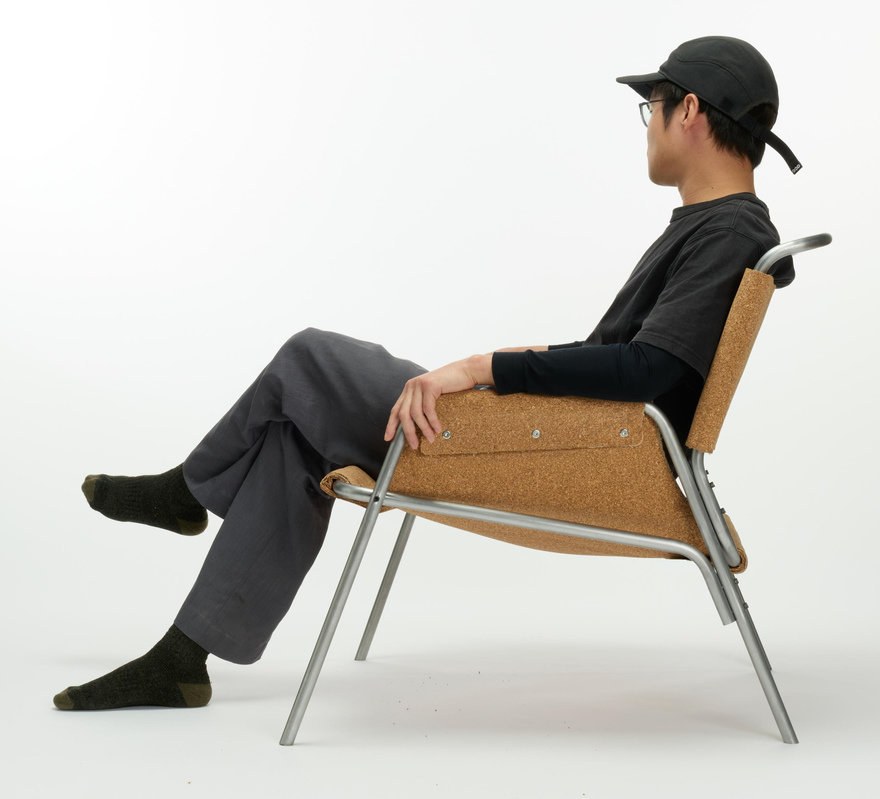
The suspended seat was once a declaration of industrial progress, defined by the cold sheen of chrome and the sharp lines of leather. Today, the suspended seat has been reimagined as a declaration of ecological progress. With Strata, Chiara Verde has managed to retain the radical comfort and minimalist grace of the mid-century icons while grounding the work in a future-proof, sustainable reality.
Whether in a Copenhagen gallery or a modern home office, the Strata lounge chair stands as a testament to the fact that the most significant innovations in design often happen when we stop trying to invent new materials and start listening to the structural secrets of the ones we have known for centuries. The shift from leather to laminated cork is, in this light, not just a material substitution—it is an evolution of values, marking a clear path forward for a design industry in transition.
About the Author