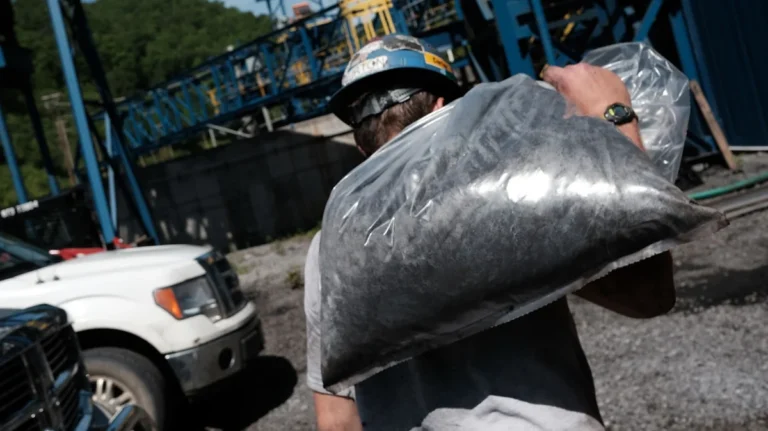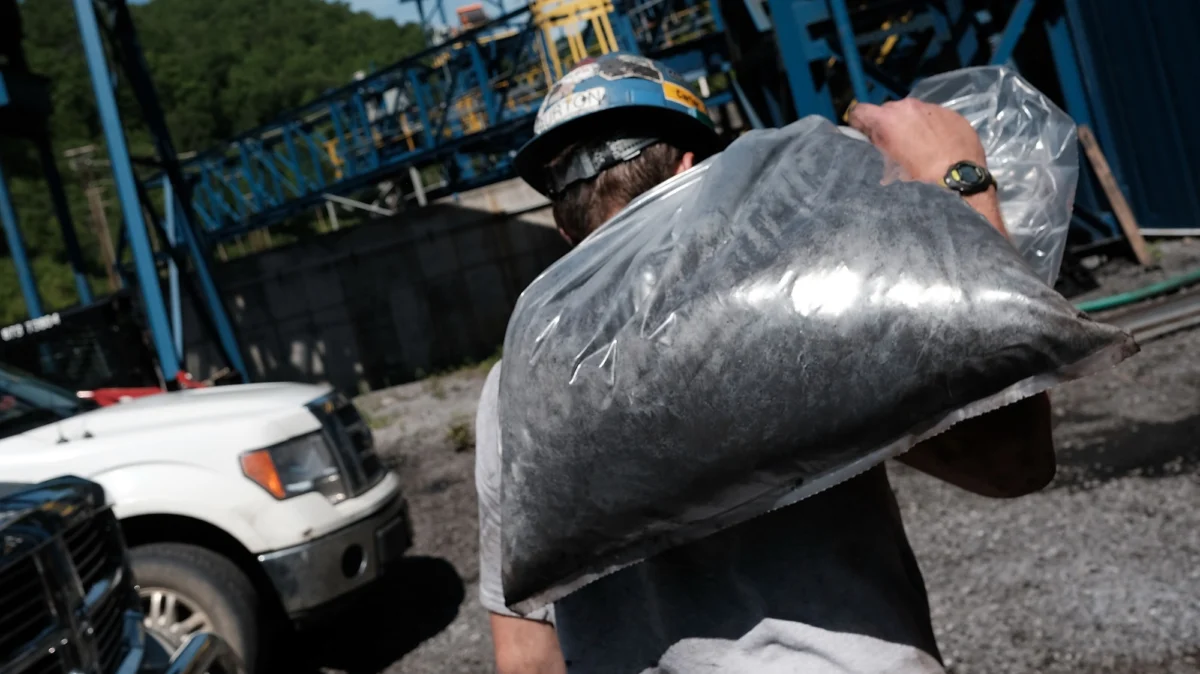
For 38 years, the rhythmic thrum of machinery and the suffocating presence of coal dust were the constants in Josh Armes’ life. A career miner across the rugged terrains of West Virginia and Virginia, Armes spent nearly four decades extracting the energy that powered the nation. Today, however, that life has been reduced to the fragile, wheezing cadence of an oxygen tank.
At 74 years old, the Grundy, Virginia native is a casualty of a silent, slow-moving industrial crisis. He suffers from coal workers’ pneumoconiosis (CWP), colloquially known as black lung disease. It is a condition characterized by the irreversible scarring of lung tissue caused by the chronic inhalation of coal and silica dust. But for the Armes family, the physical toll is only half the battle. For the past 12 years, they have been trapped in a Kafkaesque legal labyrinth, fighting a federal appeals process that has stripped him of the benefits he was once granted, leaving his family in financial and emotional limbo.
The struggle of the Armes family is not an anomaly; it is a systemic indictment of a regulatory framework that many argue is designed to outlast the miners it is intended to protect. As rates of black lung reach their highest levels since 1978, the intersection of corporate obstructionism and federal inaction has created a humanitarian crisis in the heart of Appalachia.
The Anatomy of a Systemic Failure
The federal Black Lung Benefits Program, established under the Federal Coal Mine Health and Safety Act of 1969, was designed as a social contract. It promised that in exchange for the health risks inherent in coal extraction, miners would receive medical coverage and financial support if they were rendered disabled by their work.
However, the reality for thousands of miners has been a grueling, adversarial process. Data from the Government Accountability Office (GAO) highlights a chilling trend: between 2013 and 2024, approximately 40 percent of claims approved by the Department of Labor were contested, almost exclusively by coal operators.
For many, the process is a war of attrition. When a miner receives an initial approval, the coal company often triggers an appeals process that can drag on for years, involving multiple medical evaluations, specialized legal representation, and the threat of having to pay back benefits if a judge overturns the initial decision.
“They can appeal it, get a different judge, and it’s stripped away from you, which I find absolutely insane,” says Crystal Armes, Josh’s daughter, who has become her father’s primary advocate. “They fight you at every single step of the way. The burden of proof lies on the coal miner to prove that he has black lung. We have appealed it and appealed it and appealed it. I don’t feel like the process should be this difficult.”
Chronology of a Crisis: From Mining Veins to Legal Dockets
The resurgence of black lung is not a mystery—it is a byproduct of modern mining techniques. As high-quality coal seams are depleted, mining companies have moved into thinner seams that require cutting through rock. This rock contains silica—a substance far more toxic and dangerous than coal dust alone.
- 1969: Congress passes the Federal Coal Mine Health and Safety Act, creating the Black Lung Benefits Program.
- 1978: The last recorded peak of black lung prevalence among underground coal miners.
- 2013–2024: A period marked by significant procedural barriers. GAO data reveals that over 390 beneficiaries who were initially approved for aid had their claims reversed on appeal, often forcing them to repay years of support.
- 2023: Democratic senators Mark Warner, John Hickenlooper, Tim Kaine, and John Fetterman request a comprehensive GAO investigation into the systemic gaps in the benefits program.
- April 2024: A federal silica dust rule is passed, aimed at lowering exposure limits and mandating engineering controls.
- June 2024: Congressional Republicans block funding for the enforcement of the silica rule.
- Late 2024–2026: The Trump administration’s Mine Safety and Health Administration (MSHA) announces an "indefinite delay" of the rule, citing pending judicial reviews.
The Data: A Half-Century High
The medical data paints a grim picture. According to a study published last month in the American Journal of Respiratory and Critical Care Medicine, 32.5 percent of veteran underground coal miners in central Appalachia are now suffering from black lung. This is the highest prevalence rate since 1978, effectively erasing decades of public health progress.
The GAO report published in May 2026 further substantiates the human cost. It notes that among 53,000 closed claims, some cases took more than a decade to resolve. The median length of an appealed claim sits at three years or more. Perhaps most damning is the sentiment captured in the report: miners across six focus groups expressed the belief that coal operators were intentionally “waiting for them to die” or “waiting for them to give up” to avoid the financial liability of their medical care.
Official Responses and the Regulatory Standoff
The current administration has largely deferred responsibility for the enforcement of protective measures. While the Mine Safety and Health Administration (MSHA) maintains that it continues to enforce the existing exposure limit of 100 micrograms per cubic meter, critics argue this limit is woefully inadequate for the high-silica environments miners face today.
In response to the "indefinite delay" of the new silica rule, the United Mine Workers of America (UMWA) has been vocal in its condemnation. Brian Sanson, president of the UMWA, issued a stark warning: “Every day that federal regulators drag their feet and sit on this rule, another working father, mother, husband, wife, sister, or brother contracts an incurable, fatal disease. A company’s profit margin cannot take precedence over a miner’s right to draw a breath.”
Rebecca Shelton, director of policy for the Appalachian Citizens’ Law Center, echoed this sentiment, accusing the administration of hiding behind legal bureaucracy. “If the administration actually cared about protecting coal miners from black lung, we’d have a strong silica rule in place right now,” Shelton stated.
Implications: A Community Under Siege
The implications of this administrative inaction extend far beyond the legal battles of individuals like Josh Armes. The erosion of the black lung benefits program threatens the very fabric of Appalachian mining communities.
When a miner is forced to spend their remaining years navigating a hostile legal system rather than receiving the medical care they were promised, the trust between the workforce and the industry—and by extension, the government—is irreparably fractured. The financial strain on families is immense, with many forced to pay out-of-pocket for medical tests, legal fees, and travel to specialized clinics just to prove their own suffering.
As Crystal Armes notes, the fight is about more than just the money; it is about dignity. “These people, like my dad, gave their lives to mining to support their families. We’re hardworking, everyday Americans who go to work, pay our taxes, and try to do the right thing. Then, we can’t get what was promised to us.”
The path forward remains murky. With the silica rule frozen and the appeals process continuing to favor coal operators, the "silent epidemic" shows no signs of abating. For miners currently in the shafts, the message from the current regulatory environment is clear: the cost of doing business is measured in human breath, and when that breath runs out, the system will not be waiting to catch them.
As the Armes family continues their wait, they remain a symbol of a broader struggle—a fight for the basic recognition that a life’s work should not be a death sentence, and that the promise of support is a debt that must be paid. Until the federal government prioritizes the health of the worker over the legal maneuverings of the employer, the cycle of disease and denial will continue to haunt the coalfields of America.
About the Author