The landscape of American freight brokerage is undergoing a seismic shift, driven by a convergence of legal precedents, heightened corporate risk aversion, and an uncompromising demand for safety transparency. As the industry grapples with the fallout of landmark litigation—most notably the "post-Montgomery" environment—small and mid-sized brokerages are finding themselves in an increasingly precarious position.
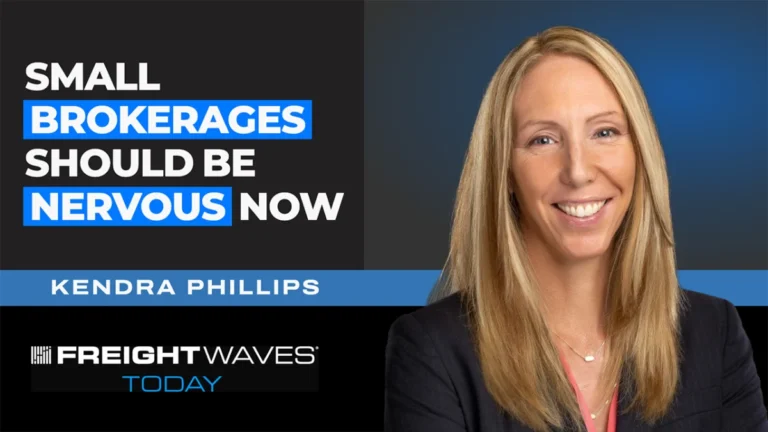
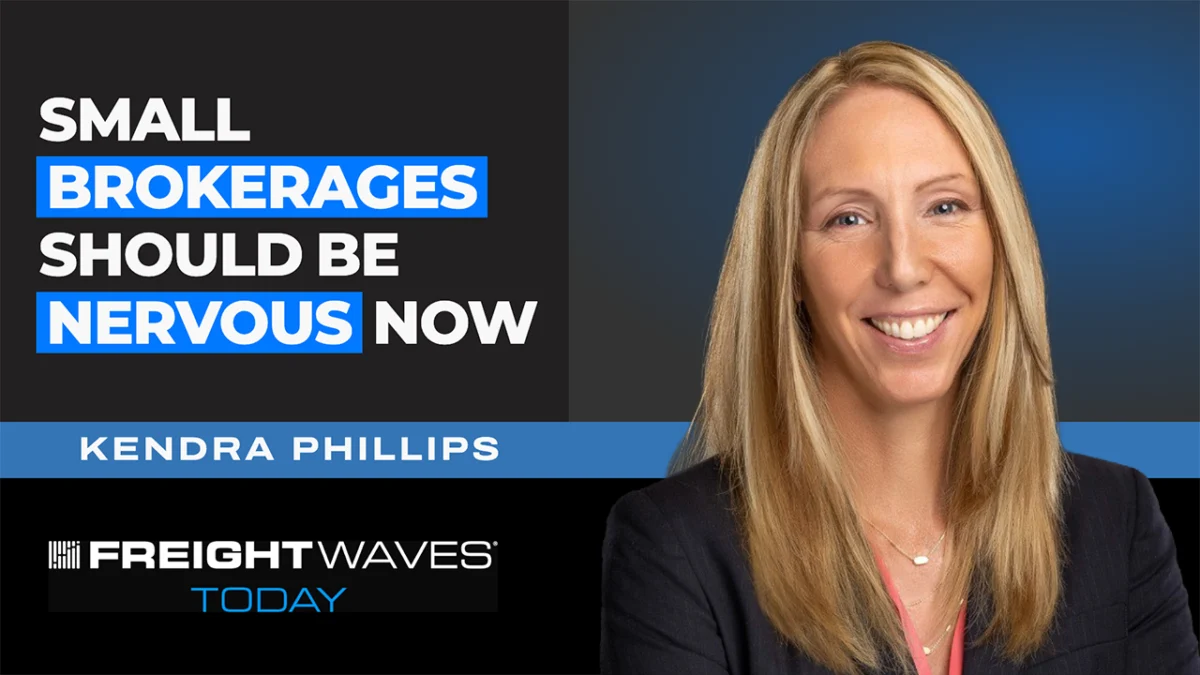
Kendra Phillips, Vice President of Managed Transportation and Brokerage at Ryder, argues that the era of prioritizing the "cheapest rate" is effectively over. In a shifting market where shippers are facing intense scrutiny from boardrooms regarding their logistics supply chains, the ability to document rigorous safety protocols has become the primary currency of the industry.
Main Facts: The New Calculus of Risk
The fundamental change in the brokerage world stems from an increase in "nuclear verdicts"—exceptionally large jury awards against trucking and logistics companies following accidents. The legal environment has evolved to hold brokers and intermediaries increasingly accountable for the safety records of the carriers they hire.
This has birthed what industry experts call the "post-Montgomery world," a reference to legal shifts that have eroded the traditional defenses brokers once relied upon to distance themselves from carrier-related incidents. Today, shippers are no longer just asking, "What is the cost of this load?" They are demanding, "What is your vetting methodology, and how can you prove this carrier is safe?"
According to Phillips, this shift disproportionately harms smaller players. "If I was managing a small brokerage, I would be nervous," she stated in a recent interview. "The cases you’re having, the settlements you’re having—you’ve got to have a big brand and a big name behind that. A smaller mid-sized broker is going to struggle in this environment."
Chronology of a Market Shift
To understand how we reached this point, one must look at the progression of legal and operational trends over the last decade:
- The Rise of Nuclear Verdicts: Over the past five to seven years, jury awards in trucking-related personal injury cases have escalated into the tens of millions of dollars. These verdicts have put a spotlight on the oversight responsibilities of the parties involved in arranging the freight.
- The "Post-Montgomery" Precedent: Recent legal challenges, specifically those surrounding the doctrine of negligent selection, have made it easier for plaintiffs to argue that brokers share liability if a carrier they hired fails to meet safety standards.
- The C.H. Robinson Era: Landmark cases involving industry giants like C.H. Robinson have signaled to the market that even the largest entities are not immune to these legal challenges, forcing an industry-wide review of carrier qualification processes.
- The Pivot to Asset-Based Rigor: As these legal pressures mounted, the market began to shift its preference back toward asset-based carriers and large, well-capitalized 3PLs that maintain their own fleets and possess a direct, hands-on safety culture.
Supporting Data: The Cost of Safety vs. The Cost of Failure
The transition in the market is not merely philosophical; it is grounded in economic reality. For years, the brokerage market was driven by spot-market efficiency and rate-shopping. However, the data now suggests that the hidden costs of a "cheap" carrier—such as legal liability, cargo loss, and reputational damage—far outweigh the nominal savings on freight spend.
Ryder, leveraging its 90-year history and its hybrid model of asset-based and brokerage operations, has maintained a consistent, high-threshold vetting standard. Unlike many competitors who may have been forced to overhaul their systems under the pressure of recent litigation, Ryder’s existing framework was already designed to handle these risks.
When a carrier fails to meet these stringent qualifications, Ryder’s policy is to immediately remove them from the network, even if a replacement carrier commands a higher rate. "We have gone to our shippers and said, ‘Hey, we have to remove this carrier from your network. They no longer meet our qualification needs,’" Phillips noted. The noteworthy trend is the lack of pushback from shippers; they recognize that paying a premium for safety is a form of insurance against the catastrophic financial risk of a major incident.
Official Perspectives: The Advantage of Asset-Based Visibility
The primary differentiator in today’s environment is "ground-level visibility." Asset-based carriers have an inherent advantage because they manage their own drivers, monitor equipment maintenance, and understand the daily physical realities of the road.
"The asset-based players—this is a good time for them," Phillips said. "They have direct management of drivers, a hands-on safety culture, and they are accustomed to the reality of litigation. They know if a driver is rested, they know the condition of the trailer, and they understand the life of the driver."
For non-asset brokers, the challenge is to replicate this visibility. Shippers are increasingly asking for data-driven insights into how brokers qualify their partners. Those who cannot provide evidence of rigorous vetting—or who rely on automated, low-touch onboarding processes—are being excluded from the networks of large, risk-averse shippers.
Technological Innovation as a Defense
Technology is the final frontier in this risk-mitigation strategy. Ryder has invested heavily in an "AI network" designed to proactively manage logistics. This system does more than track shipments; it identifies operational friction that could lead to safety or compliance issues.
The platform, developed in part following the acquisition of the startup Baton, allows the company to flag impending problems—such as potential on-time fines or inefficient routing—before they escalate. By using AI to optimize load patterns and business rules in real-time, the company can recover value for the customer without waiting for long-term engineering reviews. This shift toward "proactive management" is the new standard for shippers who want to avoid the pitfalls of reactive logistics.
Implications for the Future: Autonomous Freight and Industry Consolidation
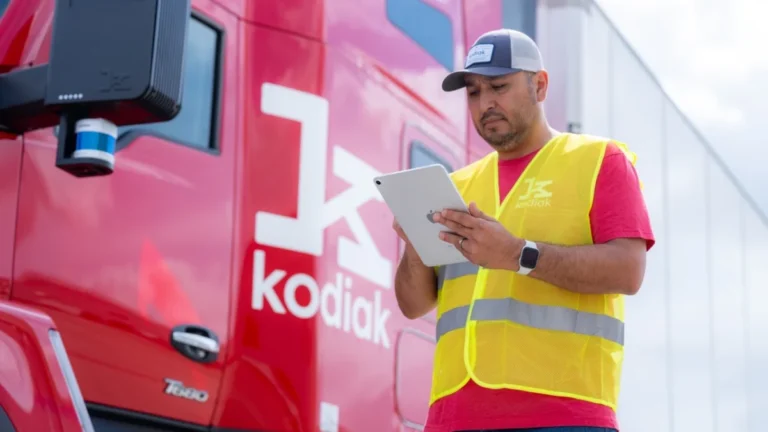
Looking ahead, the industry is bracing for the arrival of autonomous trucking. Phillips believes this transition is "absolutely coming," though its timeline will be dictated by public perception.
The question remains: who will own the autonomous future? The players who control the continuous movement of assets and the technology behind the vehicles will likely dominate. For traditional brokers, this creates an existential question: how do you remain relevant when you do not own the physical assets or the autonomous technology governing them?
The implication is clear: the brokerage industry will likely see a period of significant consolidation. Smaller firms that lack the capital to invest in proprietary AI, the brand reputation to weather legal scrutiny, or the partnerships to integrate with asset-based players will find it increasingly difficult to survive.
In this new era, the value proposition has flipped. It is no longer about finding the cheapest truck in the shortest amount of time. It is about creating a secure, transparent, and resilient supply chain that protects the shipper from the mounting risks of the modern road. For those that can deliver that level of security, the future is bright; for those still operating on the thin margins of the past, the "post-Montgomery" world presents a formidable, and perhaps insurmountable, challenge.
About the Author