In a stark illustration of the evolving sophistication within the American logistics crime landscape, a federal jury in Los Angeles has delivered guilty verdicts against two men behind a calculated cargo theft scheme that exploited the industry’s most trusted infrastructure. By acquiring and manipulating legitimate, established trucking carriers, the conspirators were able to infiltrate secure supply chains, absconding with an estimated $2 million in high-value consumer goods.
The trial, which concluded this past Tuesday, exposed a vulnerability that has sent shockwaves through the freight brokerage and logistics sectors: the realization that even a carrier with a clean, established history can be transformed into a vehicle for large-scale theft.
The Faces Behind the Fraud
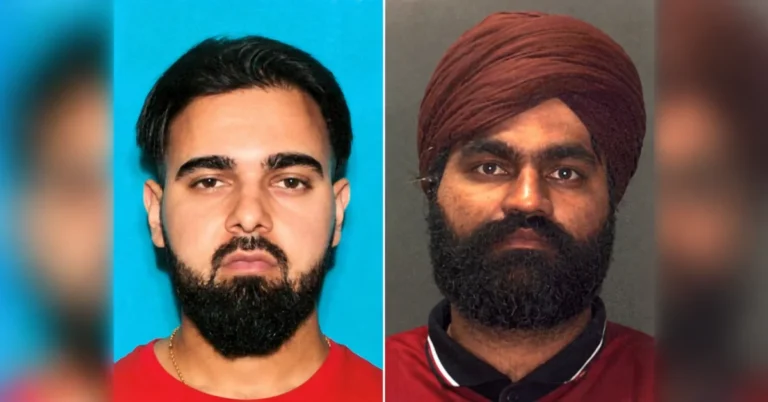
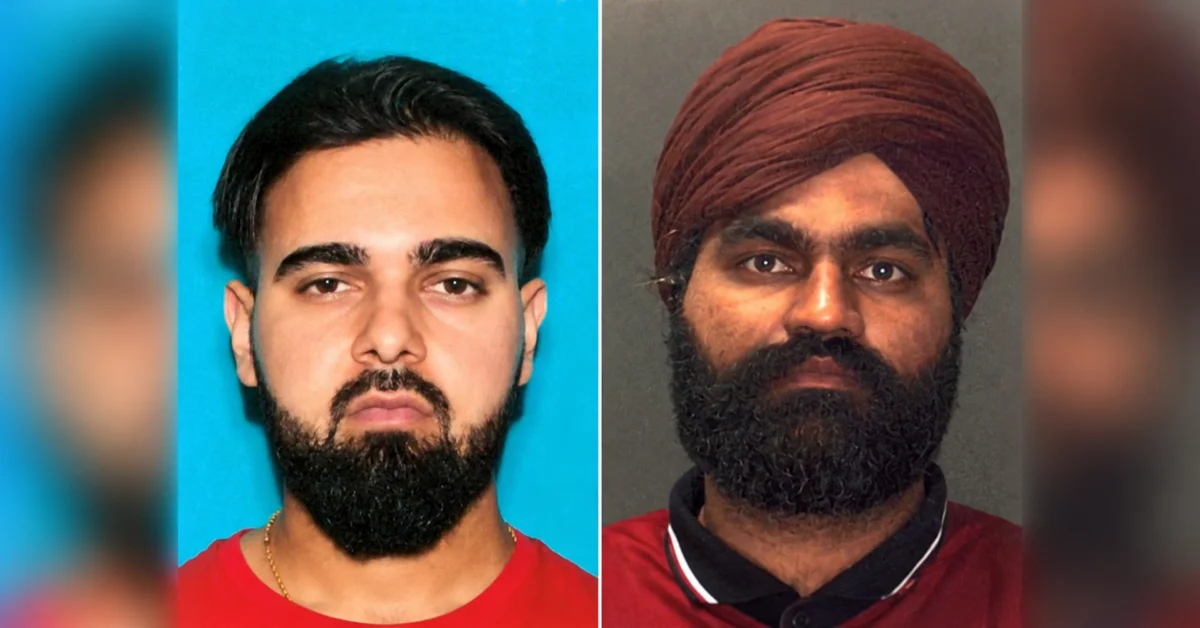
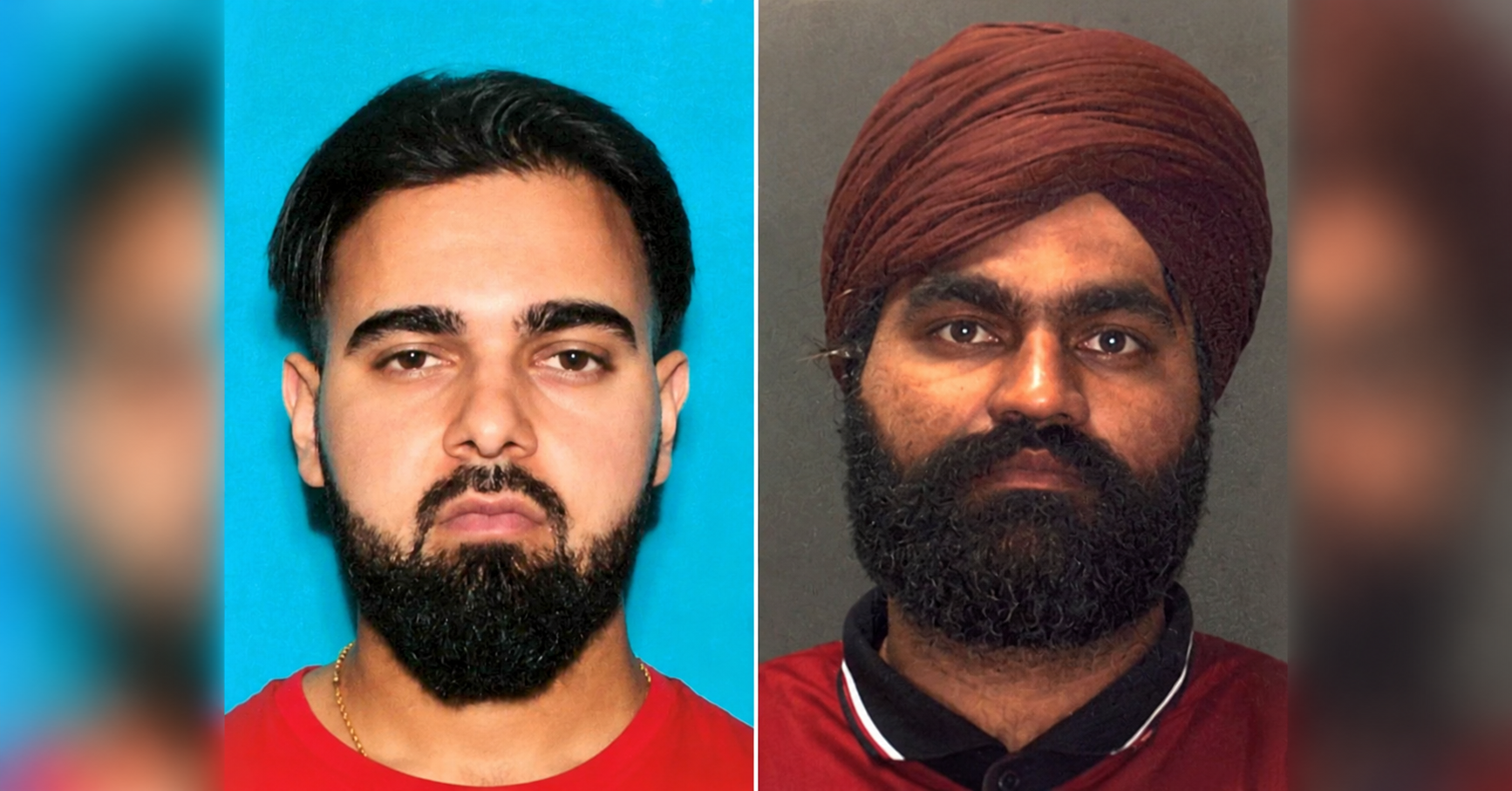
The defendants, 28-year-old Arshpreet Singh of Sacramento and 31-year-old Vikramjeet Singh of Fontana, California, were found guilty of orchestrating a conspiracy that effectively weaponized the trust inherent in the trucking industry. According to evidence presented in federal court, the duo did not merely use "ghost" companies—a common tactic in freight fraud—but instead actively sought out existing, functional entities to gain a veneer of legitimacy.
Following a grueling seven-day trial, the jury convicted both men of conspiracy to commit theft from interstate or foreign shipments. Arshpreet Singh was also convicted of conspiracy to commit wire fraud, a charge on which Vikramjeet Singh was acquitted. The case underscores a growing trend where organized criminal elements are transitioning from simple cargo hijacking to complex, identity-based logistics fraud.
Chronology of a Criminal Enterprise
The timeline of the operation, which spanned from March 2024 through June 2025, reveals a methodical approach to supply chain infiltration. The conspiracy functioned as follows:
Phase 1: Acquisition of Legitimacy
In March 2024, the operation gained its first major foothold when Arshpreet Singh brokered a deal to purchase a Texas-based carrier, Z&F Transportation LLC, for approximately $22,000. By acquiring an existing company, the conspirators bypassed the vetting scrutiny often applied to new, unknown motor carriers.
Phase 2: The "Ghost" Pickup
Within days of the acquisition, the conspirators utilized the Z&F Transportation identity to secure a high-value load of televisions in Fontana, California. Under the guise of a legitimate shipment destined for Florida, the goods were loaded onto a trailer. Once the freight was in their possession, the conspirators ceased all communication, and the cargo—along with the carrier identity—simply vanished into the criminal underworld.
Phase 3: Scaling the Operation
Finding success in their initial venture, the group replicated the strategy in May 2024 with the acquisition of Skyways Trucking LLC. With this second asset in their portfolio, the operation expanded its reach, booking shipments through major digital freight platforms, including Uber Freight. By integrating themselves into established digital brokerage ecosystems, they were able to secure consistent, high-value loads, including laptops, solar panels, and various consumer electronics, ensuring a steady pipeline of stolen goods.
The Scope of the Losses
The geographic footprint of the conspiracy was vast, stretching from the critical logistics hubs of Southern California—including Fontana, Long Beach, Compton, Chino, and Commerce—all the way to regional distribution centers in Grand Prairie, Texas.
The range of stolen merchandise highlights the lucrative nature of the enterprise. High-demand items were prioritized, including:
- Electronics: Laptops, high-end televisions, and LED lighting systems.
- Appliances: High-value home goods and kitchen electronics.
- Industrial Components: Solar panels, which carry high resale value on the black market.
- Commodities: Footwear and automotive tires, which are notoriously difficult to track once they enter the secondary market.
Federal prosecutors estimate the total value of the stolen goods at $2 million, though industry experts suggest that the "hidden" costs—including insurance premium hikes, supply chain delays, and the loss of trust between shippers and brokers—could be exponentially higher.
A Coordinated Federal and Local Response
The dismantling of this ring was the result of a multi-agency effort that bridged state lines. The FBI’s Inland Violent Crime Suppression Task Force, in conjunction with the IRS Criminal Investigation division, led the federal inquiry.
Local law enforcement agencies played a pivotal role in tracking the physical movement of the stolen trailers. Contributions from the police departments in Fontana and Fort Worth, Texas, were essential in mapping the transit routes. Additionally, the Sheriff’s departments from San Bernardino, Riverside, and Los Angeles counties provided critical on-the-ground intelligence, proving that the fight against cargo theft requires a symbiotic relationship between federal financial investigators and local patrol units.
Judicial Consequences and Sentencing
U.S. District Judge Anne Hwang has presided over the case and has set the sentencing hearings for January 20, 2027. While the verdicts provide a measure of justice, the legal reality for the defendants is sobering. Arshpreet Singh faces a statutory maximum of 20 years in federal prison, while Vikramjeet Singh faces a maximum of five years.
Legal analysts note that while these are statutory maximums, they reflect the gravity with which the Department of Justice views organized cargo theft. By framing the crimes not just as property theft but as a systemic attack on interstate commerce and wire fraud, the prosecution has signaled a new, tougher posture toward those who exploit the digital vulnerabilities of the modern supply chain.
Implications for the Freight Industry
This case serves as a loud wake-up call for freight brokers, shippers, and carriers alike. The "identity hijacking" of legitimate motor carriers represents a sophisticated evolution in logistics crime.
The End of "Trust-Based" Vetting
Historically, many brokers relied on an carrier’s Department of Transportation (DOT) number and a check of their insurance certificate as sufficient vetting. This case demonstrates that those metrics are no longer enough. Criminals can purchase a "clean" carrier identity, complete with a history of on-time deliveries, to gain immediate access to high-value loads.
The Role of Technology
As the industry moves toward increased digitization, the reliance on platforms like Uber Freight provides efficiency but also centralizes the risk. While these platforms have robust security measures, the human element—the initial vetting of who owns a company—remains the weakest link. The industry is now pushing for more rigorous "know your carrier" (KYC) protocols that go beyond basic document checks to verify ownership changes and physical asset verification.
Future Industry Standards
The upcoming FreightWaves Brokerage Compliance Symposium in October 2026 will focus heavily on these themes. Topics such as fraud exposure, insurance gaps, and the nuances of FMCSA (Federal Motor Carrier Safety Administration) compliance will be at the forefront of the discussion. As carriers are increasingly targeted for acquisition by bad actors, the industry must develop a standard for verifying the "continuity of operations" for any carrier that undergoes a change in ownership.
Conclusion: The Path Forward
The conviction of Arshpreet and Vikramjeet Singh is a victory for the logistics sector, but it is unlikely to be the final word in the war against cargo theft. As long as high-value goods move across the nation’s highways, organized syndicates will seek ways to exploit the seams in the supply chain.
For the trucking industry, the takeaway is clear: legitimacy is no longer a static quality. It is a dynamic asset that requires constant vigilance. As the industry moves toward 2027, the focus must shift from reactive investigation to proactive, data-driven security measures. Protecting the integrity of the supply chain requires not only the watchful eyes of law enforcement but a commitment from every stakeholder to ensure that the companies they trust are, in fact, the companies they are dealing with.
About the Author