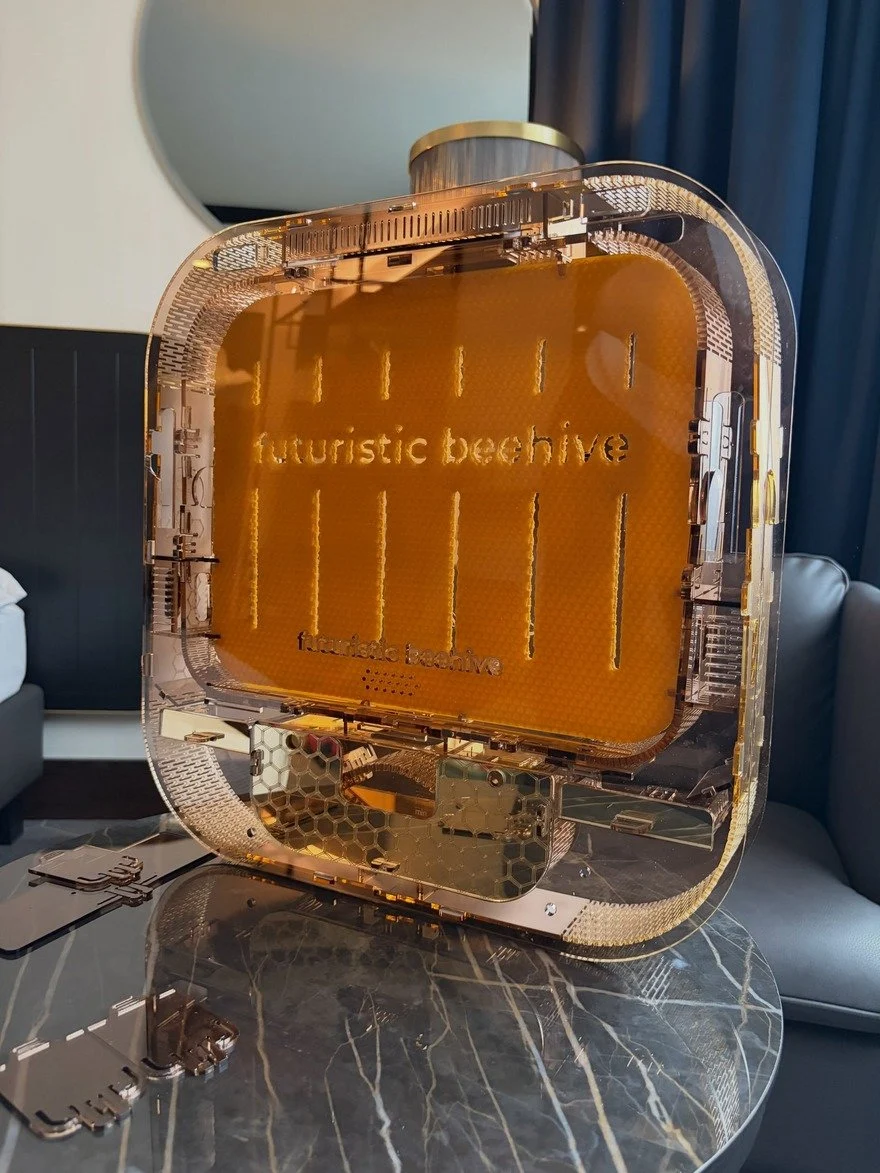
For centuries, the art of beekeeping has been defined by a strict set of environmental requirements: expansive outdoor space, specialized protective gear, and a significant degree of physical labor. The image of the beekeeper—veiled, gloved, and carefully maneuvering around wooden boxes in a remote meadow—is a staple of rural iconography. However, the Serbian firm Futuristic Beehive is challenging these traditional constraints with the introduction of the Symbiotic 3026, an innovative indoor hive system designed to bring the apiary into the modern living space. By merging sophisticated engineering with the biological needs of honeybees, this device promises "honey on tap" without the necessity of a protective suit.
Main Facts: Bringing the Apiary Indoors
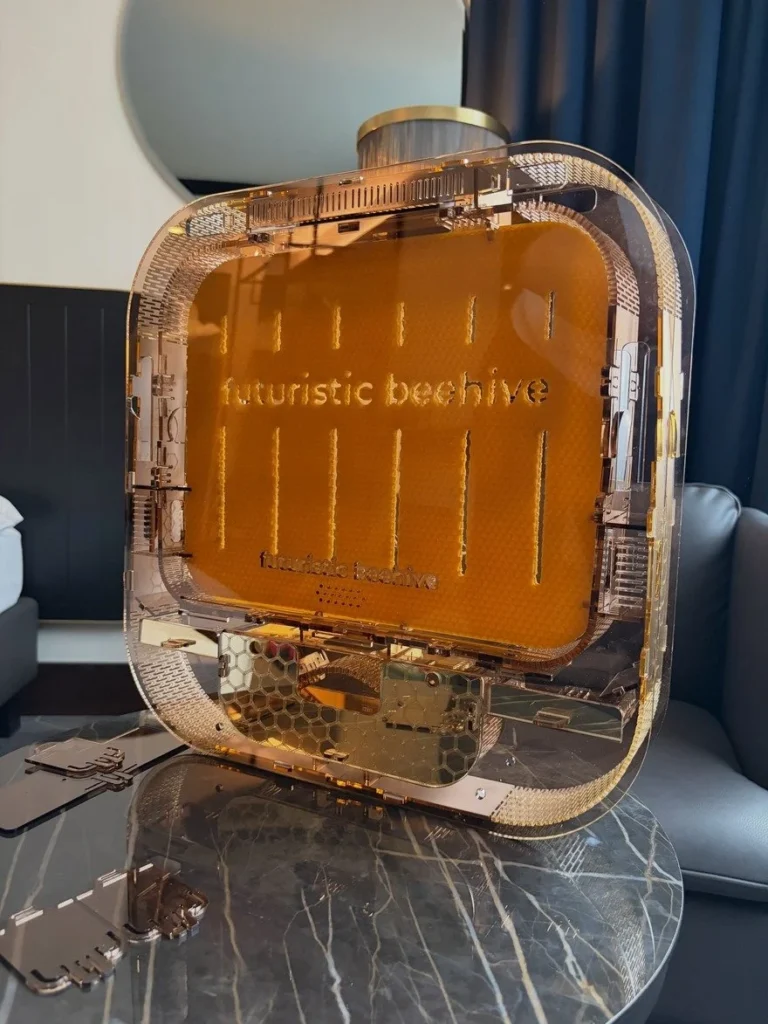
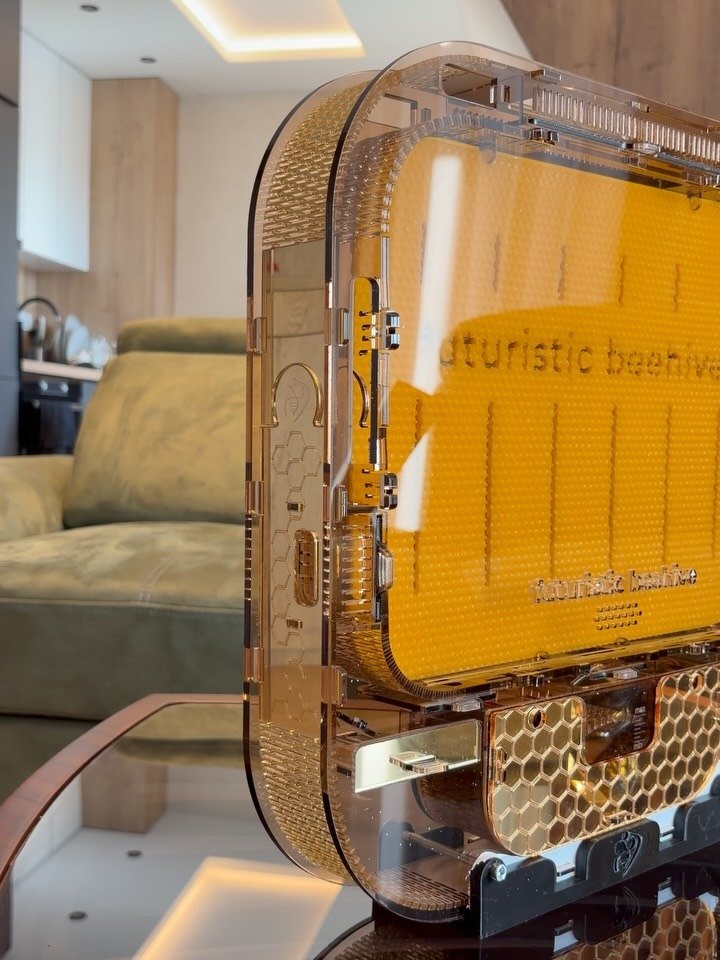
The Symbiotic 3026 is a meticulously designed, sealed habitat intended for domestic or office installation. Unlike conventional Langstroth hives, which are typically relegated to backyards or rooftops, this unit is compact and aesthetically focused, allowing for the integration of apiculture into urban dwellings.
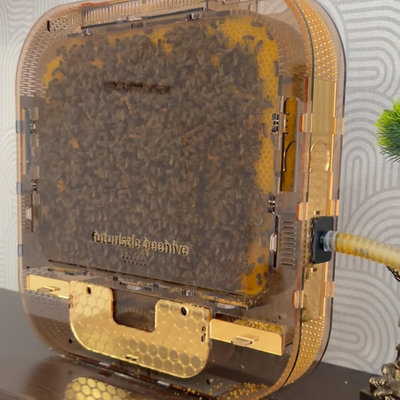
The system functions through a simple yet ingenious physical link to the outdoors: a 20mm diameter hose that serves as a dedicated entrance and exit for the bees. By drilling a small aperture in an external wall or utilizing a modified window seal, the owner provides the colony with access to the local environment to forage for nectar and pollen. Once inside the unit, the bees operate within a controlled, observable environment. The hive features a proprietary funnel system that allows for the extraction of honey, ostensibly providing a cleaner, more convenient, and highly accessible harvest.
Priced at $600, the Symbiotic 3026 has already achieved a global footprint, with units currently operating in over 70 countries. The design philosophy centers on the removal of the "fear factor" associated with stinging insects, transforming the act of beekeeping from a dangerous chore into a passive, observational hobby.
Chronology of Development
The journey toward the Symbiotic 3026 began with the observation that modern urbanization has created a disconnect between humans and the essential pollinators of our ecosystem. Futuristic Beehive, based in Serbia, recognized that the high barrier to entry for beekeeping—space, risk, and technical knowledge—prevented many potential enthusiasts from participating in the practice.
- Early Conceptualization: The development team focused on the "symbiotic" aspect of the name, aiming to create a vessel that felt less like a cage and more like an extension of the home architecture.
- Engineering Prototypes: The primary challenge was the "seal." Any breach in the hive’s integrity within a living space would be catastrophic for the inhabitants. Engineers developed a vacuum-tight structure that ensures the only point of entry/exit is the conduit hose.
- Global Market Expansion: Following successful local beta testing, the company pivoted toward a direct-to-consumer digital sales model. By leveraging global shipping logistics, they successfully navigated the complex regulations involved in transporting bee-related equipment across borders.
- The Current Iteration: The 3026 model represents the culmination of these efforts, featuring refined materials and a streamlined honey-harvesting mechanism that addresses the feedback from early international adopters.
Supporting Data: The Mechanics of Indoor Apiculture
To understand the viability of the Symbiotic 3026, one must consider the biological requirements of the Apis mellifera (Western honeybee). A standard colony requires proper ventilation, thermal regulation, and a constant connection to the outdoors.
Structural Integrity
The hive is constructed from high-grade, durable materials that are non-toxic and odor-neutral, ensuring the bees do not become disoriented by synthetic fumes. The 20mm hose acts as a "bee tunnel." Data from the manufacturer suggests that bees quickly adapt to this transit corridor, treating it as a standard hive entrance.
Foraging Dynamics
A critical question for any indoor beekeeper is: will the bees actually leave the house? Observations of the Symbiotic 3026 indicate that the natural instinct to forage overrides the novelty of the indoor environment. When the weather permits, the colony maintains its natural cycle, leaving through the hose and returning with resources.
Harvesting Efficiency
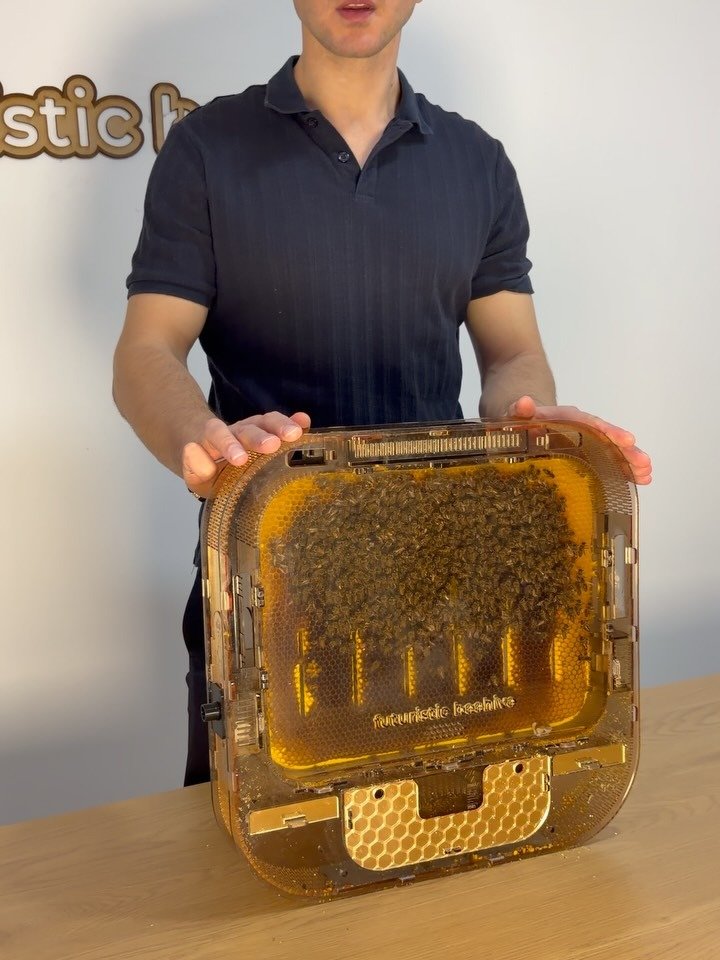
The honey extraction system relies on gravity and a funnel mechanism. By minimizing the disturbance to the hive—a common issue in manual frame extraction—the system reduces stress on the bees. This "hands-off" approach is the primary selling point for the $600 price tag, as it eliminates the need for centrifuges, uncapping knives, and the heavy physical labor typically associated with autumn harvests.
Official Responses and Industry Reception
The introduction of an indoor beehive has polarized the professional beekeeping community. While some hail the innovation as a triumph of industrial design, others express skepticism regarding the long-term health of colonies kept in such proximity to humans.
In statements provided by Futuristic Beehive, the company emphasizes the educational and ecological benefits. "Our mission is to foster a symbiotic relationship," a company spokesperson noted. "By allowing people to watch the bees work, we are creating a new generation of stewards who understand the importance of pollinators in our food system."
Critics, however, point to the potential for swarming issues or the difficulty of performing a "hive inspection"—a standard procedure for checking for diseases like Varroa destructor mites. The manufacturer argues that the sealed nature of the unit allows for visual inspection through transparent panels, though traditionalists maintain that a full physical frame removal is essential for comprehensive health checks.
Implications: The Future of Urban Pollination
The Symbiotic 3026 represents a broader trend in "biophilic design," where nature is brought into the home not just for aesthetic value, but for functional synergy.
The Rise of the "Citizen Apiarist"
As urban heat islands continue to grow, the presence of pollinators in city centers is more important than ever. If the Symbiotic 3026 succeeds, it could turn thousands of apartment buildings into a decentralized network of hives, potentially boosting local biodiversity in concrete-heavy environments.
Regulatory and Safety Challenges
Installing a beehive in a residential unit is not without legal complexity. Municipal zoning laws often regulate the keeping of livestock, and while bees are often categorized differently, landlords and homeowners’ associations (HOAs) may raise concerns regarding liability. Users of the 3026 must be prepared to navigate local ordinances regarding animal husbandry.
Psychological Impact
There is an undeniable psychological benefit to observing the rhythmic, purposeful labor of a honeybee colony. For many, the Symbiotic 3026 is less about the honey and more about the "slow living" movement. It offers a meditative focal point in an otherwise frantic, digital-first world. The ability to witness the creation of a natural product within the home provides a tangible connection to the Earth that is increasingly rare in the 21st century.
Sustainability and the Future
The long-term viability of this project will depend on the continued health of the colonies. If the Symbiotic 3026 can prove that indoor colonies are as robust and disease-resistant as those in traditional hives, it could shift the paradigm of urban agriculture entirely. As the company continues to ship units across the globe, the data collected from these disparate environments—from the humid tropics to the temperate north—will be vital in determining whether the indoor beehive is a fleeting trend or a sustainable evolution in how we coexist with the insect kingdom.
In conclusion, the Symbiotic 3026 is more than a piece of home hardware; it is a bold experiment in human-nature integration. While it challenges the traditional boundaries of beekeeping, it also invites us to reconsider what we define as "livable" space. For those willing to drill the hole and embrace the hum of the hive, the reward is a unique, honey-sweetened perspective on the natural world, right from the comfort of their living room.
About the Author