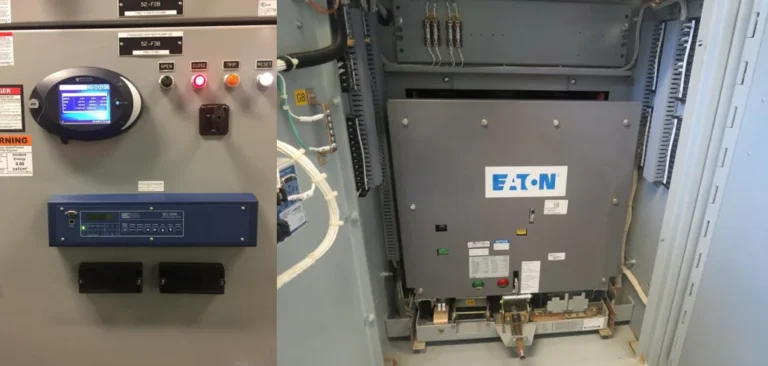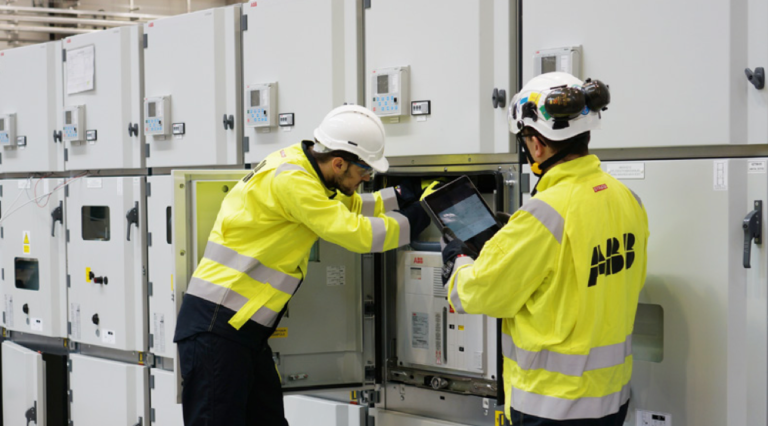
Industrial facilities today stand at a precarious crossroads. On one side, the mandate for higher operational efficiency, lower energy consumption, and superior sustainability is intensifying. On the other, facility managers are grappling with an aging infrastructure and a chronic shortage of skilled maintenance personnel.
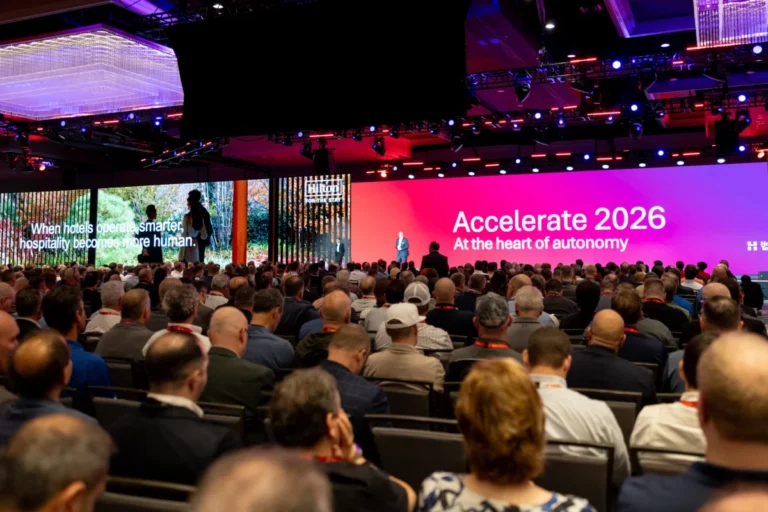
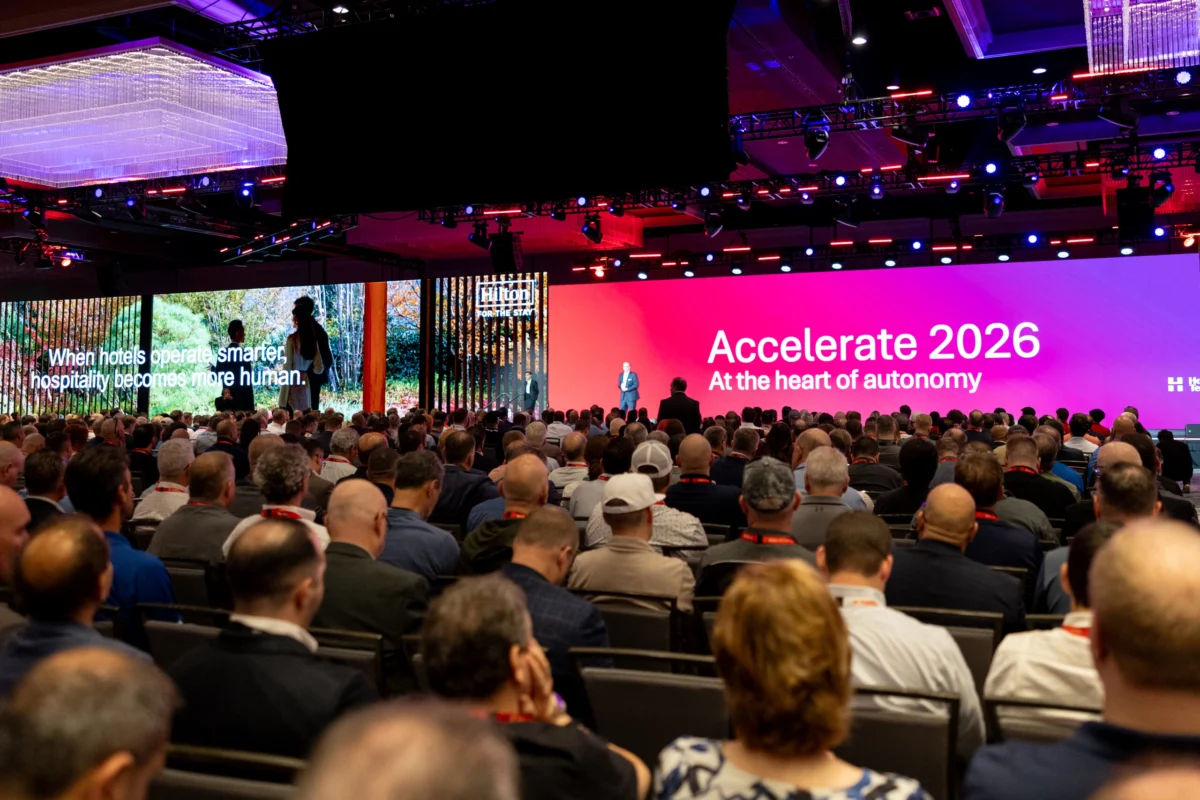
The promise of artificial intelligence (AI) and connected automation is often touted as the "silver bullet" for these systemic issues. However, the true value of these technologies lies not in replacing human oversight, but in augmenting it. At the Honeywell Technologies Accelerate 2026 conference, Greg Turner, Chief Solutions Officer of Building Automation at Honeywell, offered a vision for a future where technology empowers, rather than replaces, the human workforce.
The Mandate for Operational Efficiency
For the next five years, "operational efficiency" will be the primary barometer of success for industrial and commercial facilities. According to Turner, this is a multi-dimensional challenge. It encompasses the human element—productivity and expertise—and the technical element—energy optimization and asset lifecycle management.
"Operational efficiency covers the people’s side of it, the energy side of it, and everything in between," Turner explained. The hurdle for modern plant engineers is moving beyond the hype of "Industry 4.0" to find practical, everyday applications that yield measurable returns. The goal is to evolve facilities into adaptive environments that can self-diagnose and optimize in real-time, despite the constraints of legacy equipment.
Making AI Practical: Beyond the Hype
While AI remains a buzzword in many boardrooms, its actual utility in the plant environment is currently concentrated in specific, high-impact areas.
Fault Diagnostics and Noise Reduction
One of the most immediate benefits of AI is its ability to act as a filter. Modern facilities are inundated with data, much of which results in "alarm fatigue"—a state where maintenance staff are overwhelmed by an endless stream of alerts, many of which are false positives or low-priority notifications.
AI-driven diagnostics cut through this noise. By analyzing patterns and recognizing anomalies, these systems can isolate meaningful equipment issues. This allows maintenance teams to pivot from reactive "firefighting" to proactive, precision-based maintenance. By the time a technician reaches the equipment, they already know the likely cause of the failure, significantly reducing downtime.
Optimization in Variable Environments
Traditional control systems are often rigid, operating based on set points that may not account for rapidly shifting operational variables. AI excels in these fluid environments. It can analyze external weather conditions, occupancy levels, and process demands to adjust energy usage dynamically. This reduces energy intensity and waste, while simultaneously improving process quality—a classic example of doing more with less.
Modernization Without Disruption
A common misconception in the industry is that "digital transformation" requires a "rip-and-replace" approach. However, for most facilities, this is financially and operationally impossible.
Turner emphasizes a strategy of "connected modernization." This involves:
- Integrating Legacy Systems: Utilizing open communication protocols to allow disparate equipment from different manufacturers to "talk" to one another.
- Strategic Data Acquisition: Moving away from the "collect everything" mentality. Early smart-building initiatives often failed because they overwhelmed networks with massive, unnecessary datasets. The new standard is targeted data collection—identifying exactly which measurements are needed to answer specific operational questions.
- Efficiency over Volume: As Turner noted, "We’re not asking for everything and we’re not asking for it every five seconds." This targeted approach respects the limitations of older network infrastructures while providing the insights necessary for modern decision-making.
Enhancing Asset Performance and Energy Visibility
The lifeblood of a facility is its mechanical infrastructure. Assets like chillers, boilers, and air handling units are prone to inefficiency as they age or as facility demands shift.
The Role of Virtual Metering
One of the most cost-effective ways to increase visibility is through "virtual metering." Rather than the massive capital expenditure required to install physical meters on every individual asset, facilities can use mathematical modeling and real-time operational data to estimate energy consumption. This provides managers with a clear heat map of where energy is being used—and where it is being wasted—without the need for extensive hardware retrofits.
Extending Asset Life
By monitoring equipment against its design performance curve, facilities can detect "drift." When a chiller begins to deviate from its optimal operating range, the system can trigger an early maintenance intervention. This prevents the accelerated wear and tear that occurs when equipment is forced to compensate for inefficiencies, thereby extending the total lifecycle of the asset and deferring expensive replacement costs.
Addressing the Looming Workforce Crisis
Perhaps the most significant challenge facing industry leaders is the "brain drain." As a generation of highly experienced maintenance technicians retires, the knowledge gap is widening.
Turner draws a compelling parallel to the automotive industry’s evolution. When cars moved from simple mechanical engines to complex, computer-controlled systems, the industry did not require every mechanic to become a software engineer. Instead, it provided them with sophisticated diagnostic tools that translated digital data into actionable mechanical steps.
The facility management sector is currently undergoing a similar transition. By using AI to evaluate complex system interdependencies, facilities can provide technicians with "troubleshooting guides" that highlight likely failure points. This provides the context that newer or less experienced staff need to make high-level decisions, effectively democratizing expertise across the maintenance department.
Implications: Keeping Expertise at the Center
The overarching message from the Honeywell leadership is that technology is a support system, not a replacement for human judgment. The most successful facilities are those that empower their staff with the right information at the right time.
The "Autopilot" Analogy
Turner’s analogy of the aircraft autopilot system is particularly instructive. Autopilot has not removed the need for pilots; it has simply changed the nature of their work. Pilots no longer spend the bulk of their time manually correcting for every minor gust of wind. Instead, they focus on higher-level navigation, strategy, and emergency management.
In a plant setting, this means:
- Shifting Focus: Moving staff away from routine, repetitive, and low-value troubleshooting.
- Prioritizing Impact: Using data to identify which equipment issues have the highest financial and operational stakes, allowing teams to direct their limited time where it will have the greatest impact.
- Cultural Integration: Successfully adopting automation requires a culture shift where the maintenance team views technology as a tool for their success rather than a threat to their roles.
Conclusion
The future of industrial facility management will not be defined by the most expensive hardware, but by the most intelligent integration of existing assets. As facilities face the dual pressures of economic efficiency and the talent shortage, the path forward is clear: bridge the gap between legacy infrastructure and modern data analytics.
By prioritizing targeted, practical AI applications and focusing on the human-machine collaboration, facility managers can turn the challenges of today—aging equipment and shifting labor markets—into a foundation for a more resilient, efficient, and productive future. The technology is here, but its success depends on the hands—and the expertise—that guide it.
About the Author