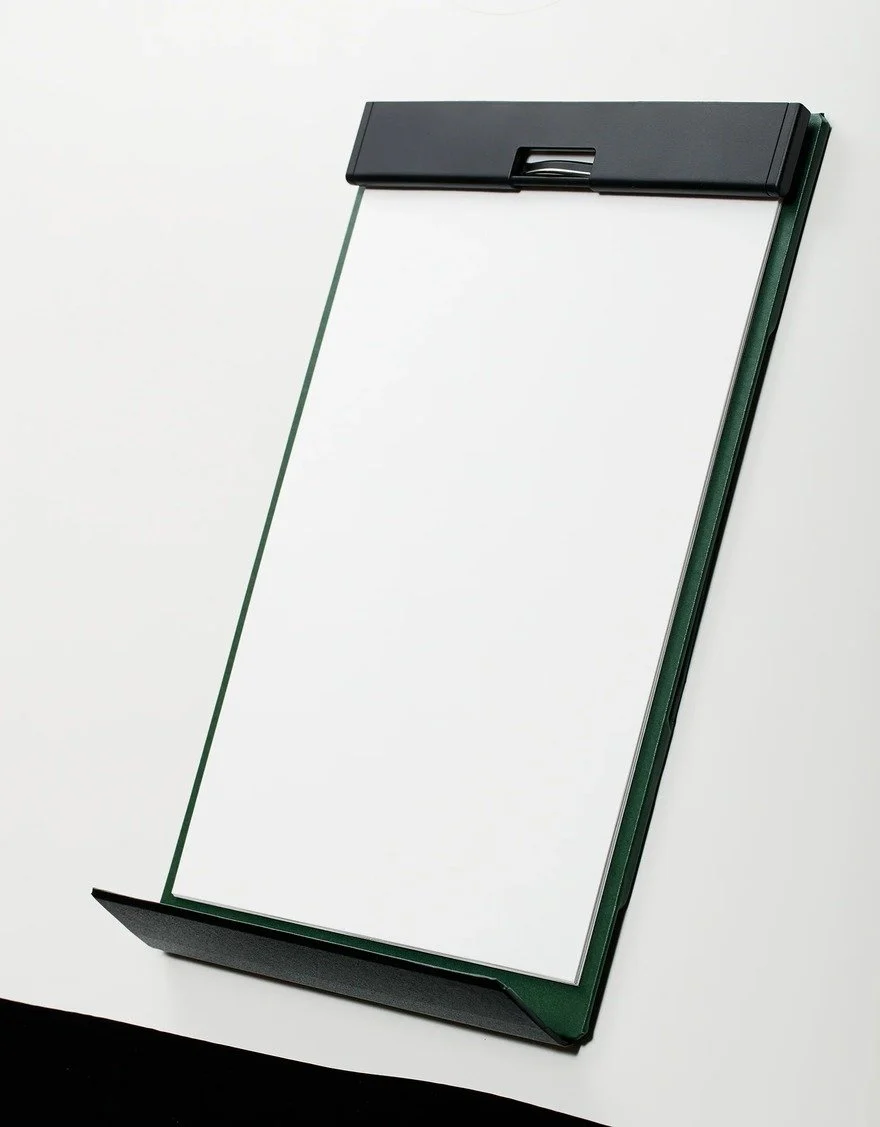
In the world of industrial design, the greatest innovations are often found in the most mundane objects. For decades, the clipboard has remained largely stagnant—a flat board, a spring-loaded metal clip, and very little else. However, the Japanese stationery powerhouse King Jim has recently challenged this stagnation with their "Magflap" clipboard. By integrating high-strength magnetic technology into the traditional form factor, King Jim has transformed a simple office supply into a multi-functional tool for professionals in construction, manufacturing, and logistics.
Main Facts: The Anatomy of the Magflap
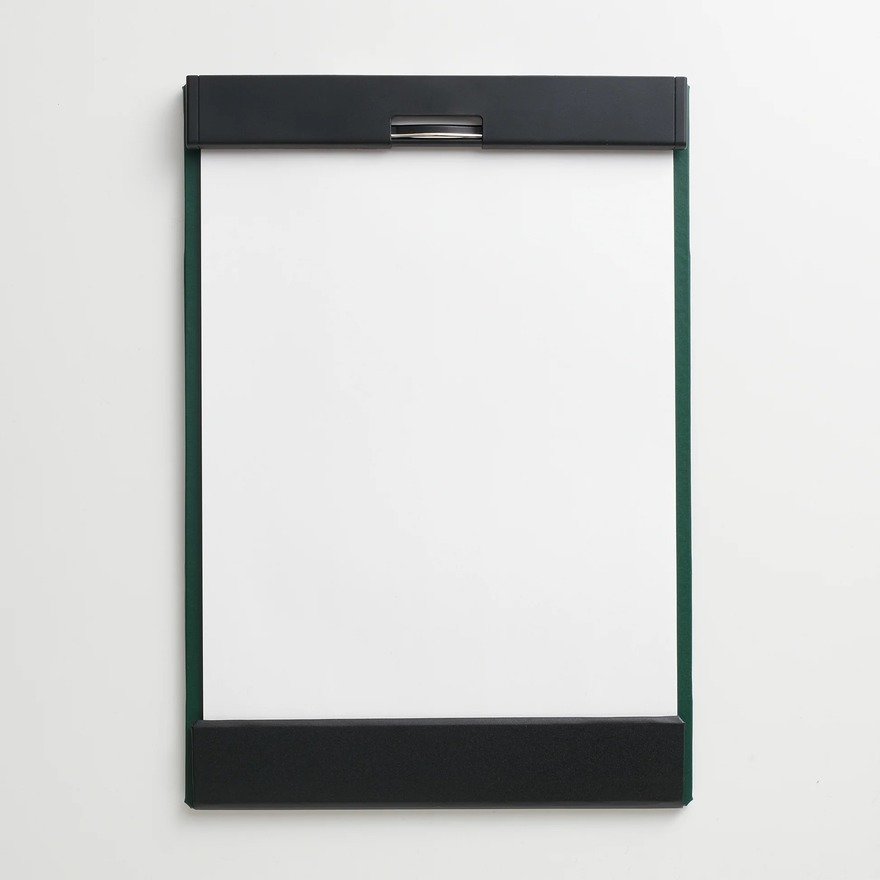
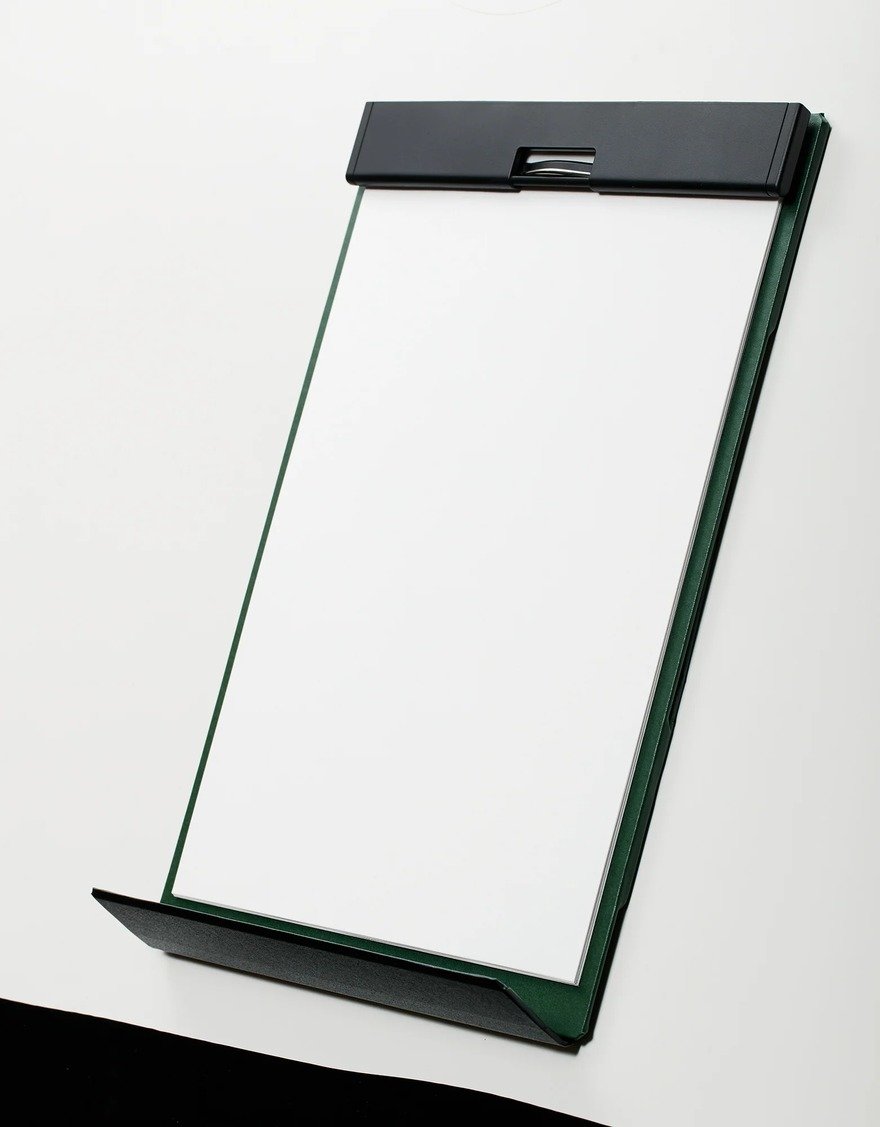
The King Jim Magflap is not merely a board for holding paper; it is an engineered solution to the perennial problem of loose-leaf management. Priced at approximately $21, the device distinguishes itself through three core features that address the limitations of standard clipboards:
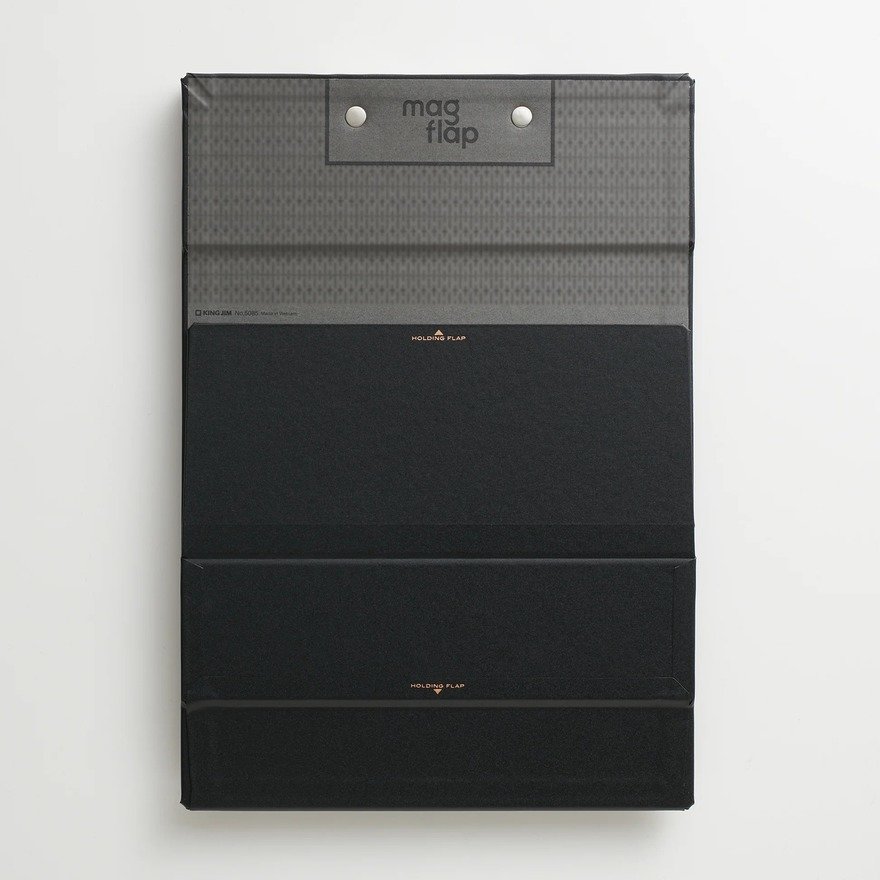
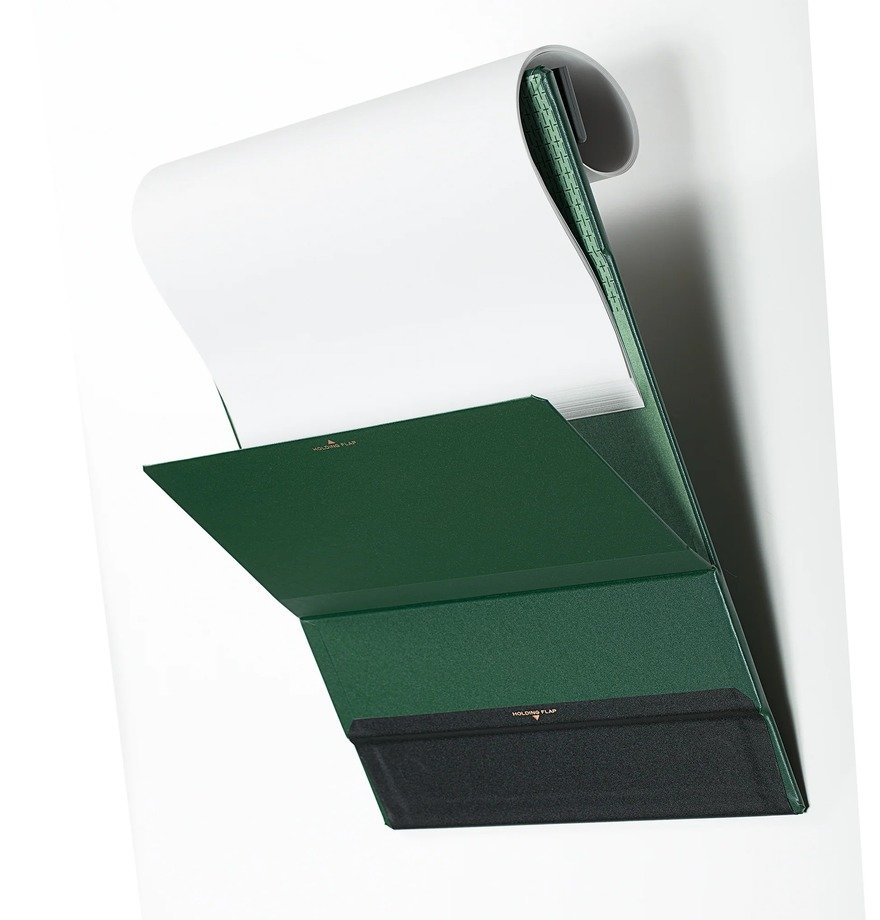
- The Bottom Retention Flap: The primary challenge with traditional clipboards is the tendency for the bottom of the paper to "flap" or curl, particularly in windy environments or high-traffic areas. The Magflap features a magnetic flap at the base that anchors the bottom edge of the documents firmly against the board.
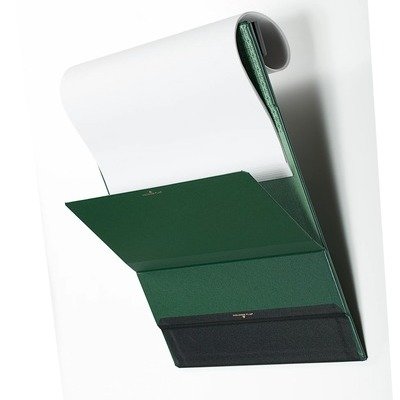
- The Over-the-Top Securement: Perhaps its most ingenious feature is the secondary magnetic flap located on the rear of the board. This allows users to fold their paperwork over the top of the clipboard and secure it behind the device, keeping the writing surface clear and the document organized and out of the way.
- Ferrous Surface Adhesion: The entire structure is designed to interface with metallic surfaces. Because the clipboard itself is magnetic, it can be mounted to filing cabinets, whiteboards, or the exterior of heavy machinery and service vehicles, allowing for hands-free reference in dynamic environments.
Chronology: A History of Japanese Stationery Ingenuity
To understand the significance of the Magflap, one must look at the trajectory of King Jim. Founded in 1927, the company has spent nearly a century perfecting the science of "filing." King Jim is credited with inventing the "King File," a staple in Japanese offices that set a global standard for document organization.
The development of the Magflap fits into a broader movement in Japanese stationery, often referred to as Bungu (文具). In recent years, Japanese stationery designers have shifted their focus toward "functional ergonomics." Where Western stationery often prioritizes cost and mass production, the Japanese market has pushed for products that solve specific, localized pain points.
The Magflap was designed to address the "field worker’s dilemma." Interviews with Japanese designers at King Jim suggest the development process involved observing warehouse managers and site inspectors who struggled to take notes while standing. Traditional clipboards required one hand to hold the board and the other to write, with a third hand—which nobody has—needed to keep the wind from whipping the pages around. The Magflap’s development cycle prioritized the elimination of this "three-hand requirement."
Supporting Data: Why Magnetic Retention Matters
The utility of the Magflap can be quantified through the lens of productivity and efficiency in the field.
The Physics of the Flap
When a paper is held only at the top, it acts as a cantilever beam. In an outdoor environment with a wind speed of even 5–10 mph, the bottom of the paper experiences lift and drag, which causes it to vibrate or fold over. This phenomenon, known in fluid dynamics as "aeroelastic fluttering," is a significant annoyance that interrupts cognitive flow during note-taking. By adding a magnetic weight to the bottom, the Magflap effectively increases the tension of the paper, stabilizing it against external air currents.
Ergonomics and Workplace Safety
According to ergonomic studies on workplace efficiency, the "dwell time"—the time a worker spends adjusting their materials rather than performing their primary task—is a significant productivity killer. In environments like construction sites or assembly lines, the ability to stick a clipboard to a ferrous surface (like a support beam or a truck door) serves two purposes:
- Safety: It removes the need to place documents on the floor or unstable surfaces, reducing the risk of trip hazards and damage to the documents.
- Accessibility: It ensures that standard operating procedures (SOPs) or checklists are visible at eye level, ensuring compliance and accuracy.
Official Responses and Market Reception
Since its launch in the North American and international markets via King Jim’s US portal, the response has been overwhelmingly positive, particularly among the "Everyday Carry" (EDC) community and trade professionals.
In a recent press statement regarding their new product line, a spokesperson for King Jim remarked: "Our philosophy is to make the mundane feel revolutionary. We looked at the clipboard and asked, ‘Why does this object have to be passive?’ By making the clipboard active, we have turned a stationary tool into a portable, magnetic workspace."
Retailer feedback indicates that the Magflap is frequently purchased by project managers, electrical contractors, and even culinary professionals who need to keep recipes or prep lists secured in commercial kitchens. The price point of $21 is considered a "sweet spot"—affordable enough for individual consumers to purchase for personal use, yet high-quality enough to be included in corporate equipment procurement.
Implications: The Future of Stationery
The success of the Magflap serves as a case study for the "premiumization" of office supplies. As digital tools continue to dominate the office landscape, analog tools must provide a "value-add" to survive. The Magflap survives not by being cheaper than a plastic clipboard, but by being infinitely more useful.
Environmental Impact and Durability
One of the subtle implications of the Magflap is its contribution to sustainability. By preventing the wear and tear associated with crumpled or damaged documents, the device extends the life of the papers it holds. Furthermore, the construction of the Magflap—utilizing durable plastics and high-grade magnets—is designed for longevity. It is not a "disposable" clipboard; it is a piece of equipment intended to last for years of rugged use.
The Shift Toward "Task-Specific" Design
The Magflap signals a broader trend: the era of the "universal tool" is waning in favor of "task-specific" design. We are seeing a shift where stationery brands are collaborating with trade professionals to create tools that cater to specific environments. The Magflap is not for the person sitting at a desk; it is for the person standing on a catwalk, checking a manifest on the back of a delivery truck, or surveying a construction site.
Conclusion
The King Jim Magflap is a masterclass in minimalist engineering. It does not attempt to reinvent the wheel, but rather, it polishes the spoke. By adding magnets to the bottom and the back, King Jim has solved a problem that users had long ago accepted as an inevitable nuisance.
As we continue to navigate a world that is increasingly digitized, the value of a physical, tactile, and highly functional clipboard remains surprisingly high. The Magflap proves that with a little bit of innovation, even the most traditional tools can find new life in the modern workplace. Whether you are a professional in the field or an enthusiast of high-quality design, the Magflap offers a compelling reason to put down the tablet and pick up a clipboard again. It is, quite literally, a tool that holds everything together.
About the Author