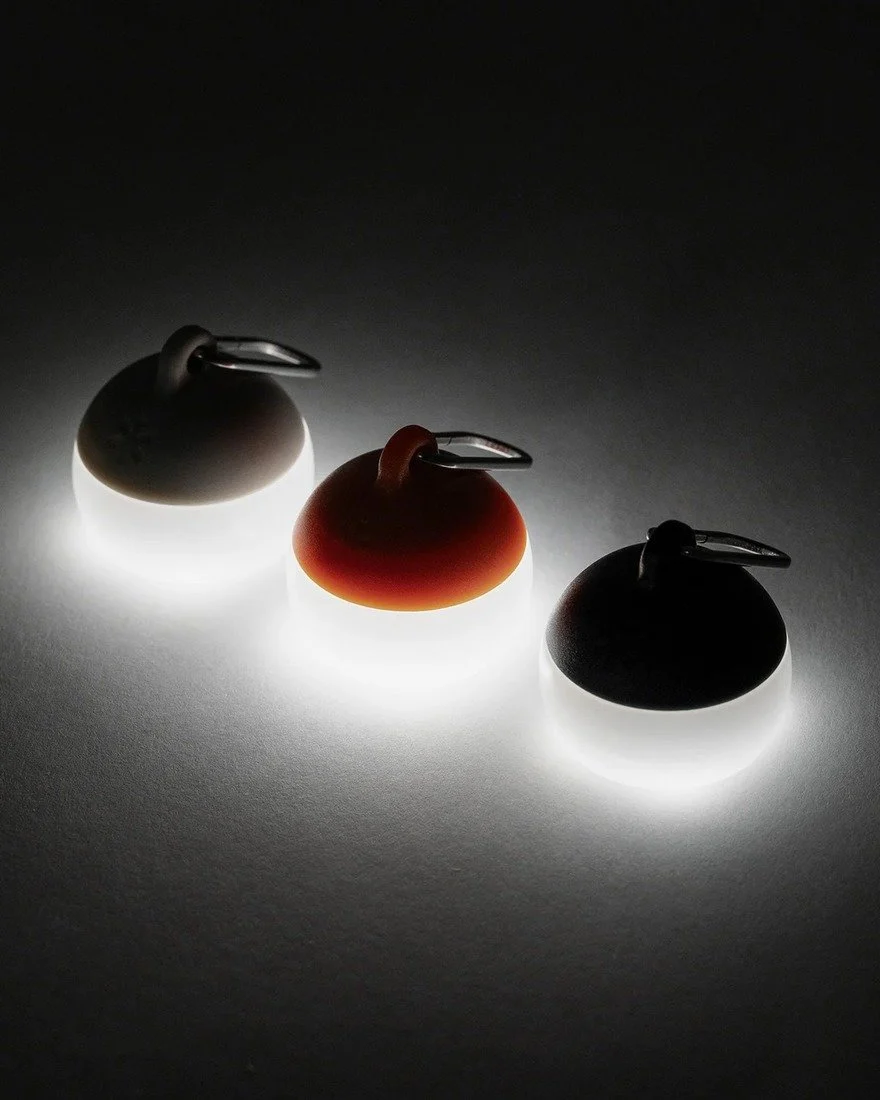
In the world of outdoor equipment, the prevailing trend has long been "bigger, brighter, and more powerful." From high-lumen floodlights that turn night into day to heavy-duty, multi-day battery packs, the industry often equates utility with sheer scale. However, Japanese outdoor heritage brand Snow Peak has long marched to a different drummer. With the release of the Micro Hozuki, the company reaffirms its commitment to the philosophy of yose—a Japanese aesthetic that finds beauty in the diminutive, the functional, and the understated.
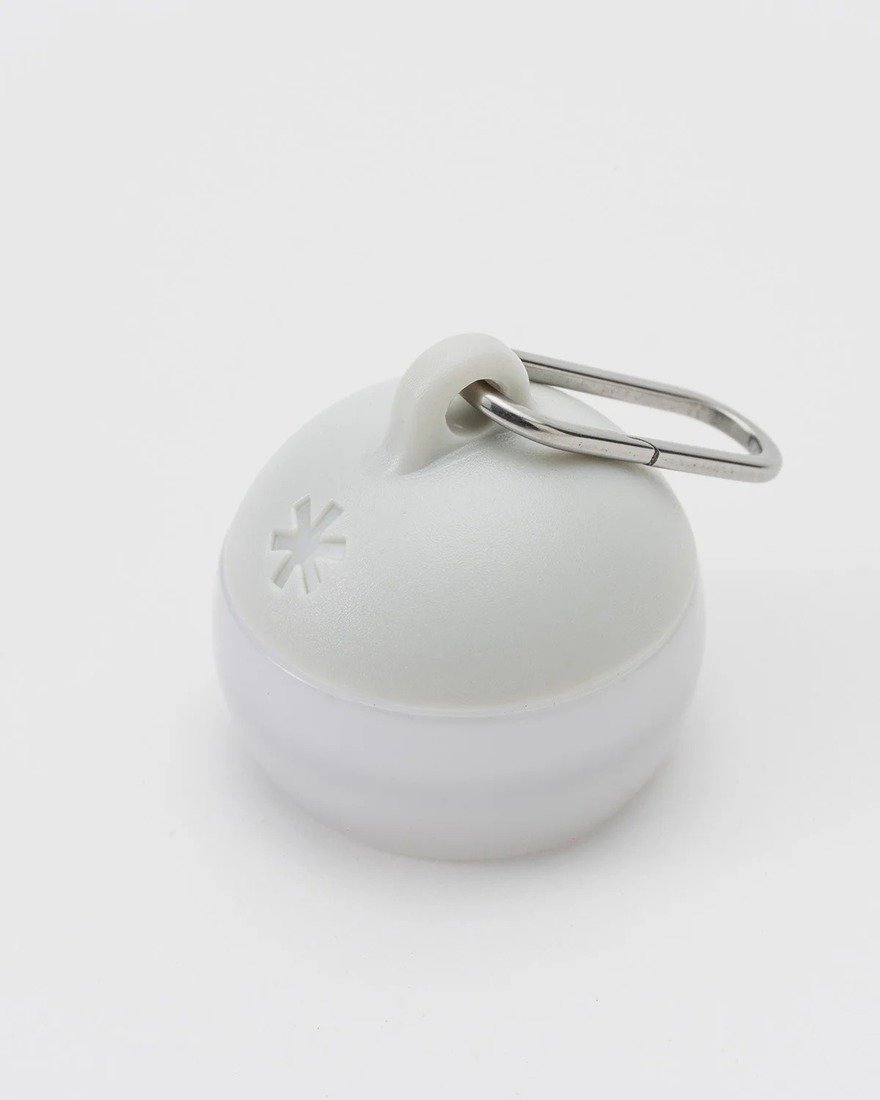
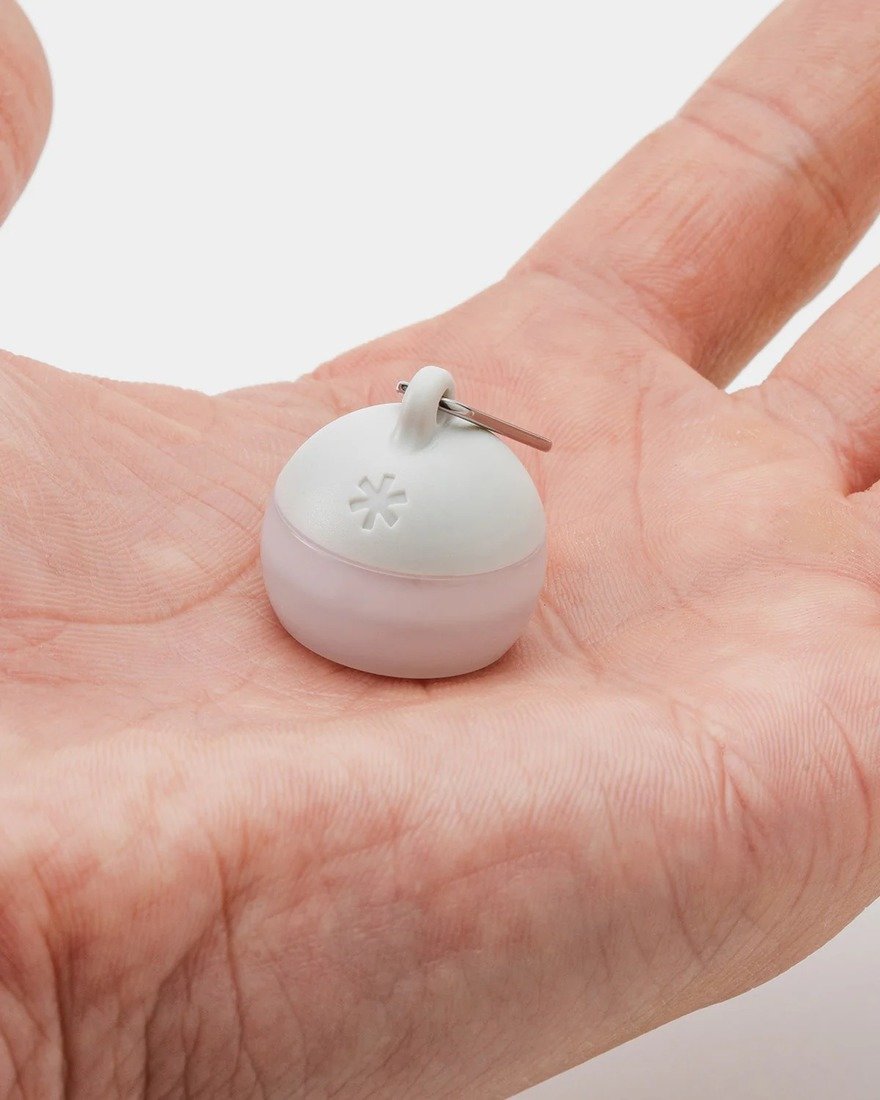
The Micro Hozuki is more than just a light; it is a case study in minimalist engineering. Measuring no larger than a thumb, this coin-cell-powered LED device challenges the assumption that backcountry illumination requires massive energy reserves. By focusing on essential utility rather than excess power, Snow Peak has created a tool that bridges the gap between high-design accessory and legitimate field equipment.
Main Facts: A Study in Portability
At its core, the Micro Hozuki is a testament to the idea that the best gear is the kind you don’t realize you are carrying.
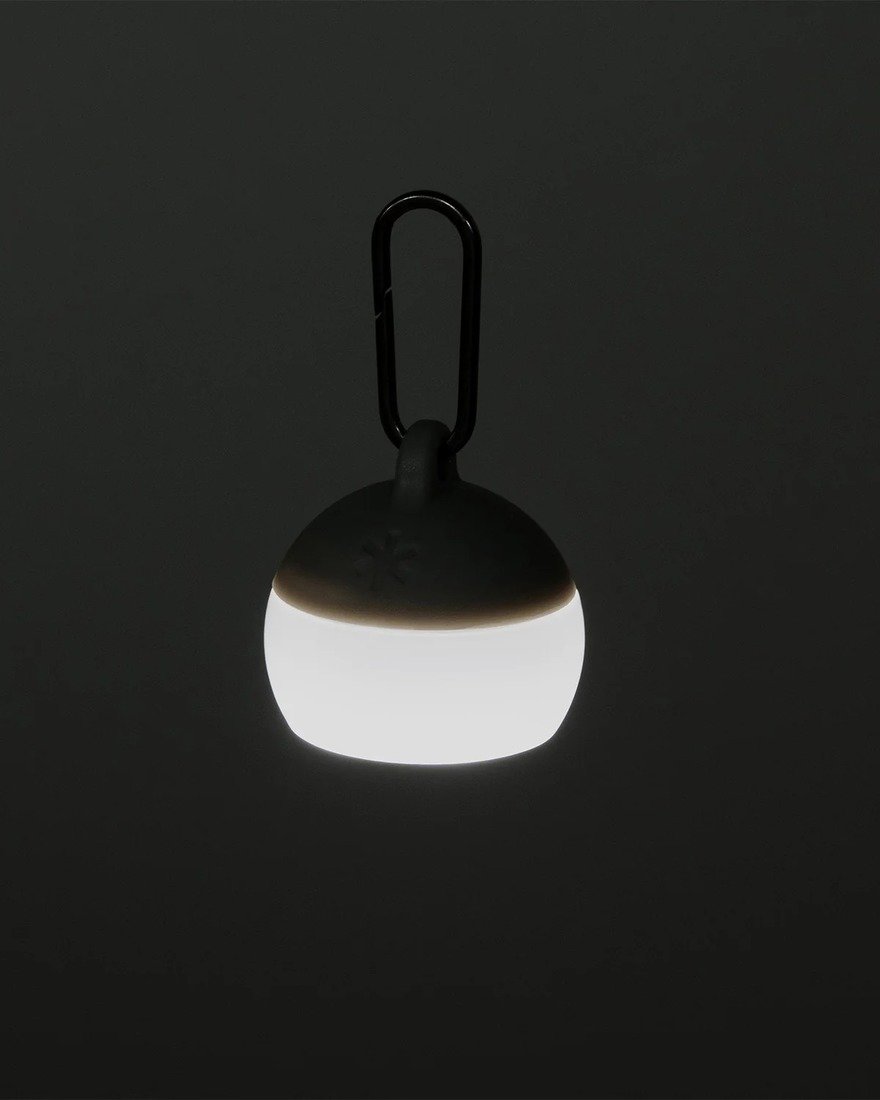
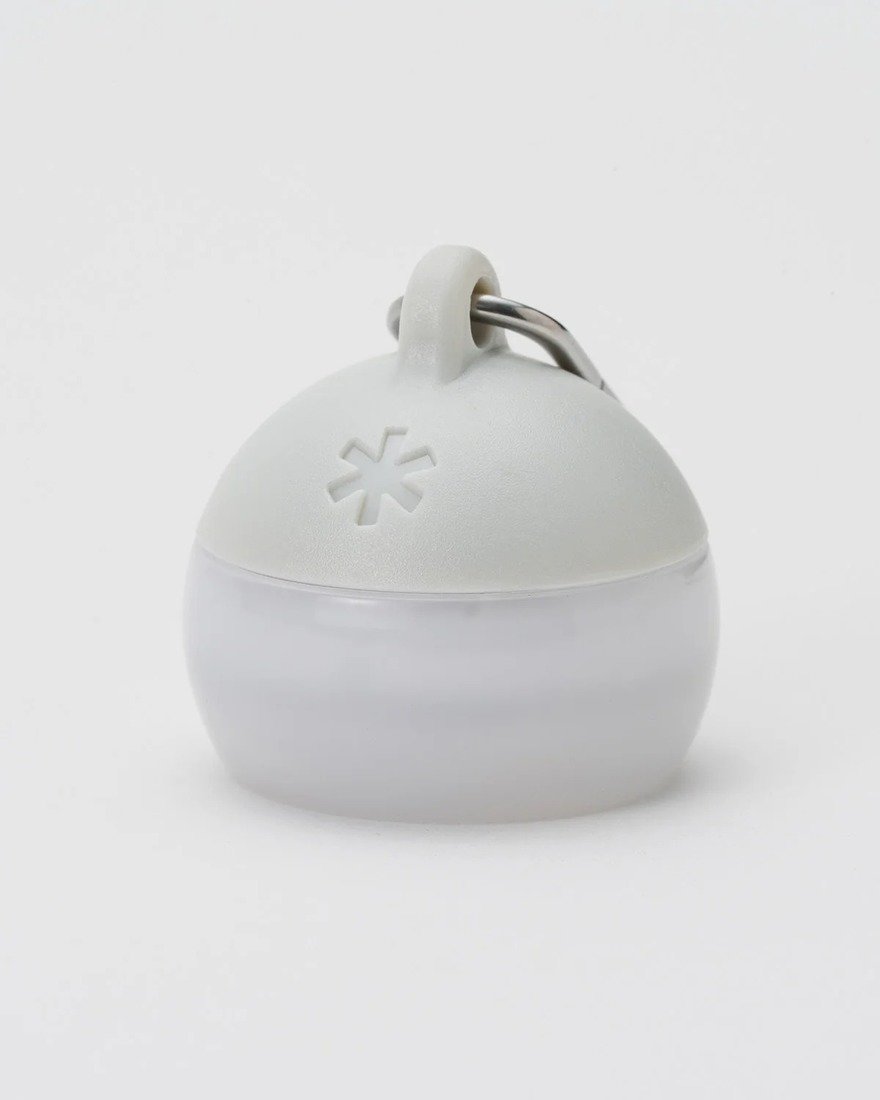
- Design Aesthetic: The device mimics the organic, translucent quality of a hozuki—the Japanese lantern plant. Its soft silicone shade diffuses light to create a warm, inviting glow rather than the harsh, clinical glare typical of modern tactical flashlights.
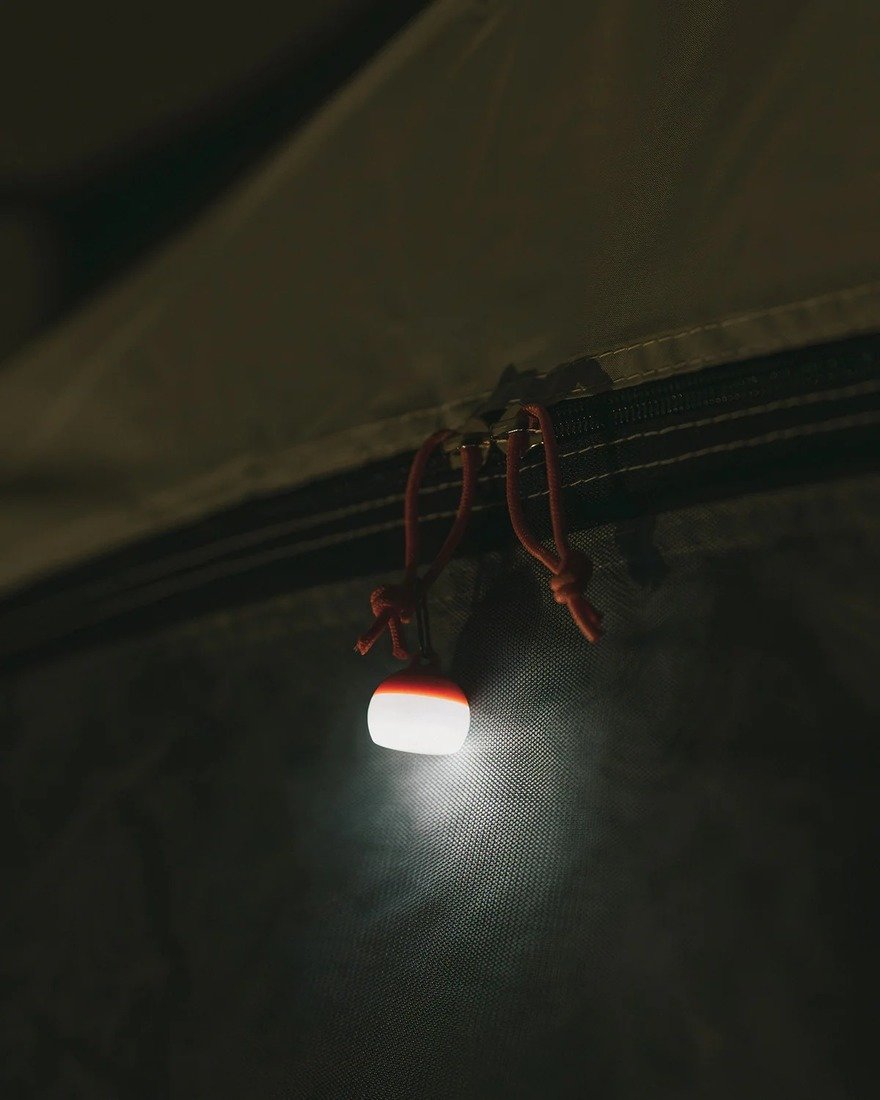
- Illumination Output: The device offers a maximum output of 27 lumens. While this figure might seem modest compared to 1,000-lumen handheld spotlights, it is perfectly calibrated for "near-field" tasks: reading a map, checking a knot, or finding a zipper in the dark of a tent.
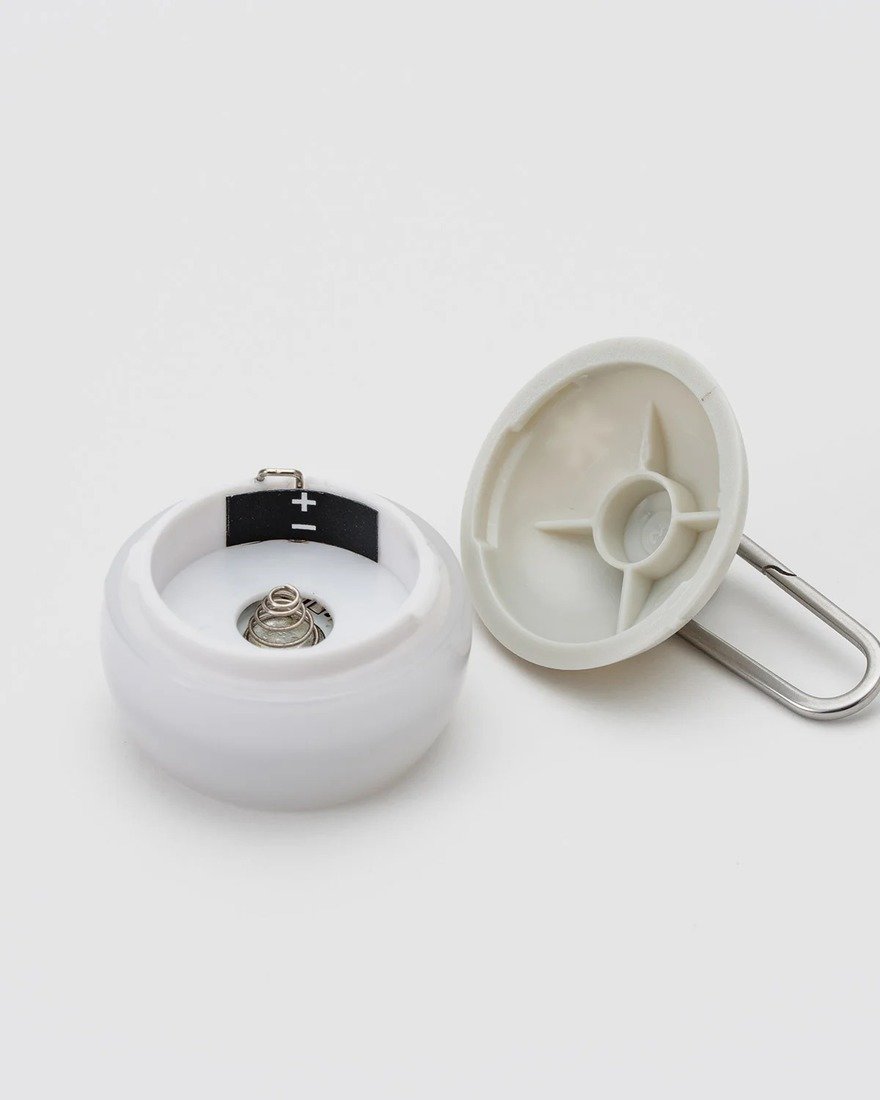
- Power Source: Eschewing the complex lithium-ion charging circuits that add weight and bulk, the Micro Hozuki operates on two CR1632 coin-cell lithium batteries.
- Operational Versatility: The light features two primary modes. On "High," it provides two hours of focused illumination. On "Low," the output drops to 2.8 lumens, extending the runtime to an impressive 31 hours.
- Price Point: With a retail price of $15, the unit is positioned as an accessible entry point into the Snow Peak ecosystem, making it a popular choice for ultralight enthusiasts and minimalists alike.
Chronology: The Evolution of the Hozuki Line
The Micro Hozuki did not emerge in a vacuum; it is the latest iteration in a long lineage of lighting solutions from Snow Peak.
The Genesis of the Lantern
Snow Peak’s fascination with lantern design began decades ago, rooted in the Japanese tradition of chochin (paper lanterns). The original Hozuki, a larger, hanging lantern, became an instant classic due to its "candle mode," which used a microphone to flicker the LED in response to wind or sound, mimicking a real flame.
Downsizing for the Modern Backpacker
As the "Fast and Light" movement gained traction in the late 2010s, Snow Peak identified a demographic of campers who favored multi-day treks where every gram of pack weight mattered. The standard Hozuki, while beautiful, was too cumbersome for a thru-hiker. The engineers began working on a stripped-down version that maintained the iconic frosted aesthetic but jettisoned the heavy internal mechanisms.
The Micro Hozuki Launch
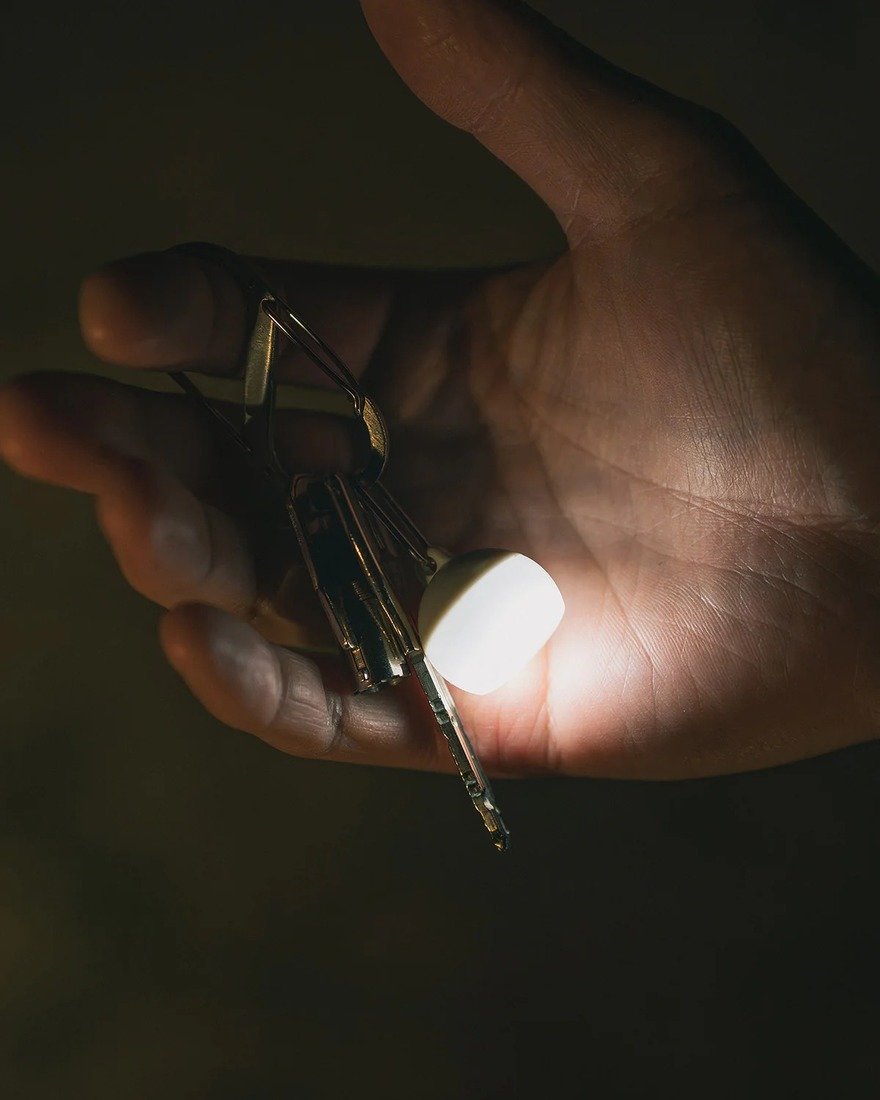
The Micro Hozuki arrived as the ultimate conclusion to this downsizing process. By replacing internal rechargeable batteries with common coin cells, the designers achieved a profile that could be stashed in a coin pocket or clipped to a keychain. Its release marked a shift in Snow Peak’s strategy, moving from "basecamp luxury" to "ultralight necessity."
Supporting Data: Efficiency vs. Capacity
To understand the utility of the Micro Hozuki, one must look at the data regarding energy density and usage requirements.
In the backcountry, energy management is a zero-sum game. A 500-lumen rechargeable light requires a substantial battery, which adds weight, charging time, and failure points (cables, USB ports, lithium degradation).
Battery Performance Analysis
The choice of the CR1632 battery is the defining technical decision of this product.
- Weight: Two CR1632 batteries weigh approximately 3.6 grams. This is negligible compared to the 50–100 grams of an integrated lithium-ion battery.
- Energy Density: While coin cells have a lower total capacity than large-format batteries, their discharge curve is ideal for low-lumen, long-duration tasks. The 31-hour runtime on the "Low" setting (2.8 lumens) provides roughly four nights of moderate use if the light is used for 7–8 hours per night.
- Reliability: In sub-zero temperatures, traditional lithium-ion batteries often experience significant voltage drops. While coin cells are not immune to cold, their chemical stability in small, sealed environments makes them a reliable, "set-it-and-forget-it" power source.
Official Responses and Industry Reception
Snow Peak has remained characteristically understated regarding the marketing of the Micro Hozuki. In internal communications and product briefings, the company has emphasized "the intimacy of the campfire."
"We do not design tools to dominate the dark," a Snow Peak spokesperson noted in a recent product brief. "We design tools that allow the user to exist within the dark comfortably. The Micro Hozuki is about preserving your night vision and keeping the ambient environment soft, not about turning the forest into a stadium."
Industry critics and outdoor gear reviewers have largely praised the unit, though some have pointed to the inherent waste of disposable coin cells. However, most reviews conclude that for the specific use case—emergency backups, ultralight hiking, and reading—the trade-off is acceptable given the price and the weight savings.
Implications: A Shift Toward Intentional Design
The success of the Micro Hozuki has broader implications for the outdoor gear industry. It signals a move away from the "spec-chasing" mentality where manufacturers compete solely on higher lumen counts and longer battery capacity.
The Rise of "Micro-Utility"
There is a growing segment of consumers who are tired of charging their gear. Every electronic device in a modern kit requires a cable, a port, and a power bank. The Micro Hozuki represents an "analog-digital" hybrid: a piece of high-tech gear that functions with the simplicity of a mechanical watch. By opting for a battery that can be bought at any pharmacy or grocery store globally, Snow Peak is providing a solution that is arguably more resilient in long-term field use than a proprietary rechargeable unit.
Minimalist Sustainability
While the environmental impact of coin-cell batteries is a valid concern, there is a counter-argument to be made regarding consumption. The Micro Hozuki is built to last. Its shell is durable, its light output is consistent, and it lacks the planned obsolescence of integrated batteries that eventually lose their capacity and render the entire device useless. By purchasing one high-quality, long-lasting light that uses small, replaceable batteries, the user avoids the need to replace an entire $100+ lantern every three years when the internal battery dies.
Conclusion: The Beauty of Less
The Micro Hozuki is a reminder that in nature, "more" is often just "extra." It does not attempt to be the primary light for a technical night climb or a complex search-and-rescue operation. Instead, it succeeds by being the perfect companion for the quiet moments: the pages of a book in a sleeping bag, the search for a rogue tent stake, or a soft glow in a dark tent.
In a marketplace crowded with noise and over-engineered complexity, Snow Peak’s decision to focus on the essential—the simple, warm, and reliable illumination of a space—is a refreshing return to form. For those who value the weight of their pack as much as the quality of their experience, the Micro Hozuki is not just a light; it is a philosophy of travel.
About the Author