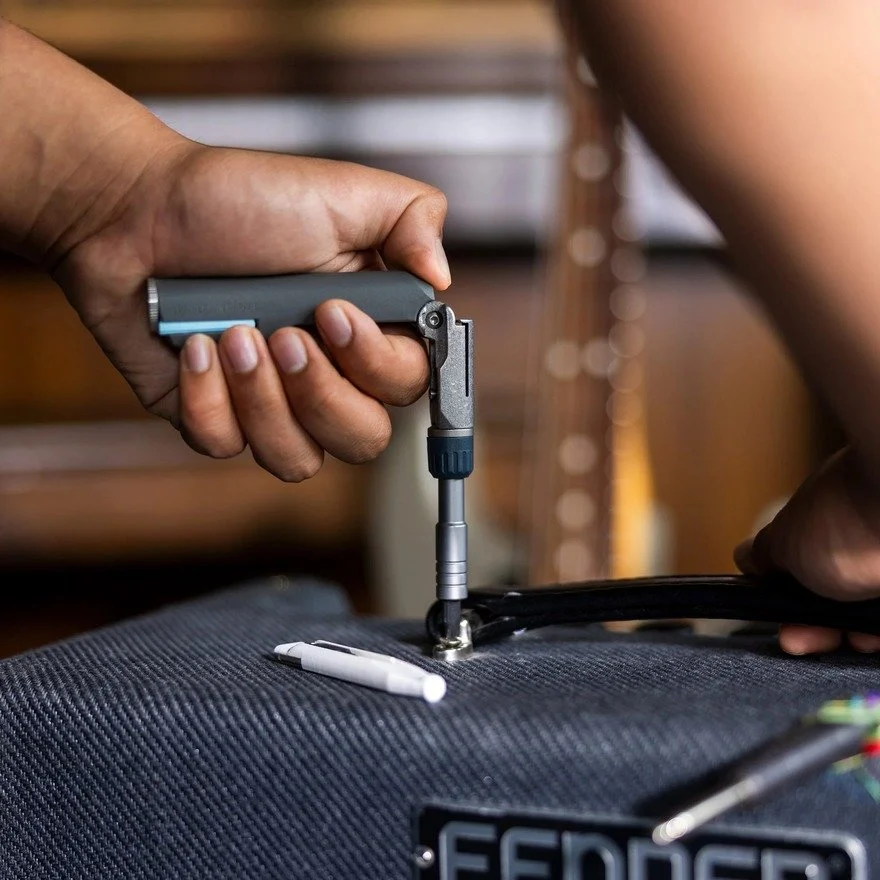
In the world of high-end everyday carry (EDC) gear, few names command the respect and cult-like devotion of Leatherman. Known for defining the modern multitool category, the Oregon-based manufacturer has recently pivoted toward an experimental business model that mirrors the "drop culture" seen in high-fashion streetwear. Their latest release, the Garage Batch #009—a peculiar, highly modular ratcheting bit driver—has sparked both intense desire and vocal frustration, highlighting a growing tension between a legacy brand and its most dedicated, yet demanding, fan base.
The Genesis of the "Garage" Line: Innovation Through Scarcity
Leatherman’s "Garage" series was conceived as an incubator—a digital laboratory where the company could bypass the rigorous, multi-year product development cycles typical of industrial manufacturing. By producing tools in limited, small-batch runs, Leatherman has successfully transformed the mundane act of tool procurement into a high-stakes event.
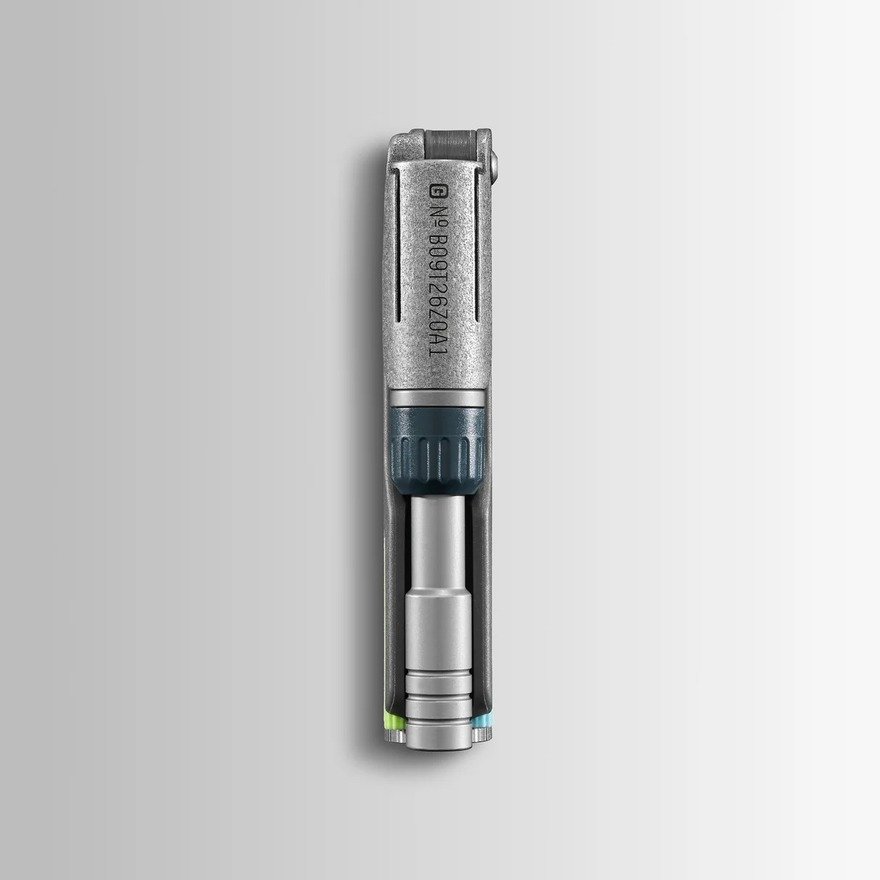
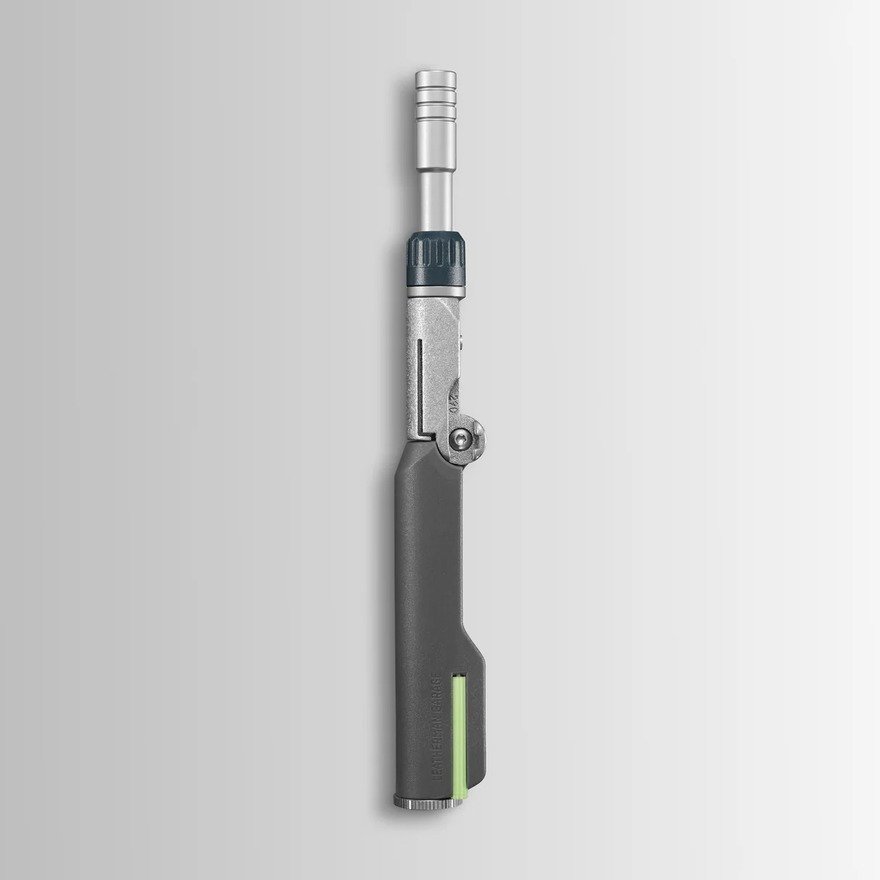
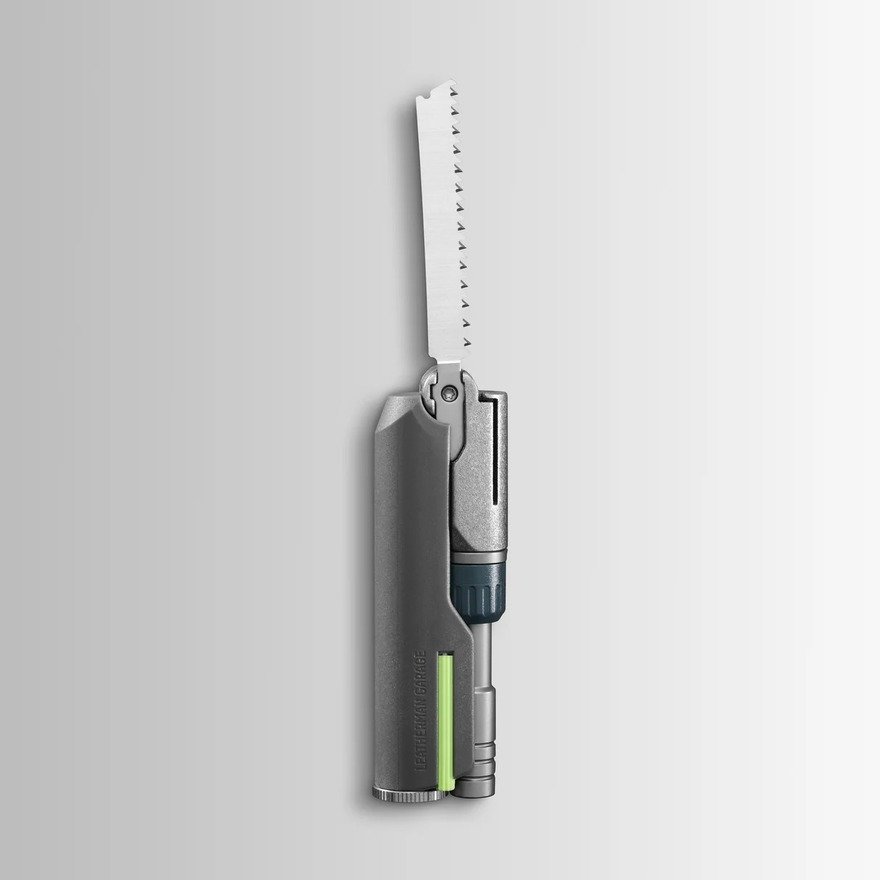
Batch #009, the latest iteration of this initiative, represents a significant departure from the company’s traditional pliers-based architecture. Visually, the tool is striking, if not polarizing. Its unconventional, almost skeletal aesthetic gives it the appearance of an industrial design student’s capstone project rather than a legacy-branded utility tool. However, beneath its unorthodox exterior lies a sophisticated piece of engineering aimed at versatility.
Technical Anatomy: A Swiss Army Knife of a Different Breed
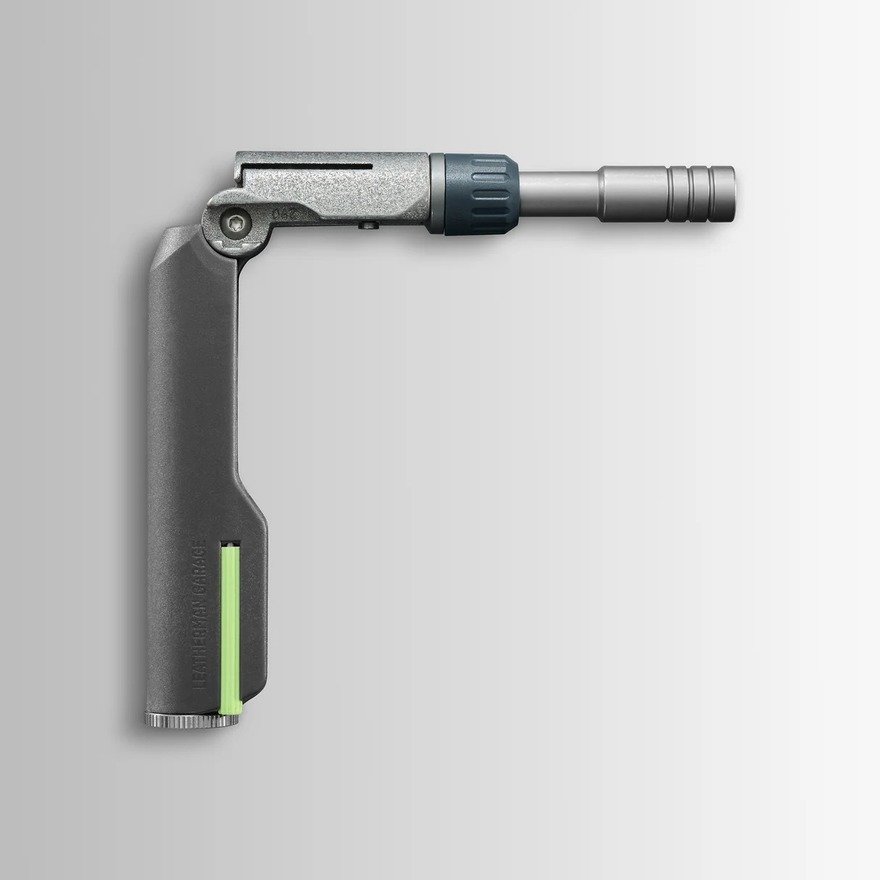
At its core, the Batch #009 is a folding ratcheting bit driver. While traditional drivers are often static or bulky, Leatherman has opted for a compact, stowable design that prioritizes portability without sacrificing mechanical utility.
The Hidden Toolkit
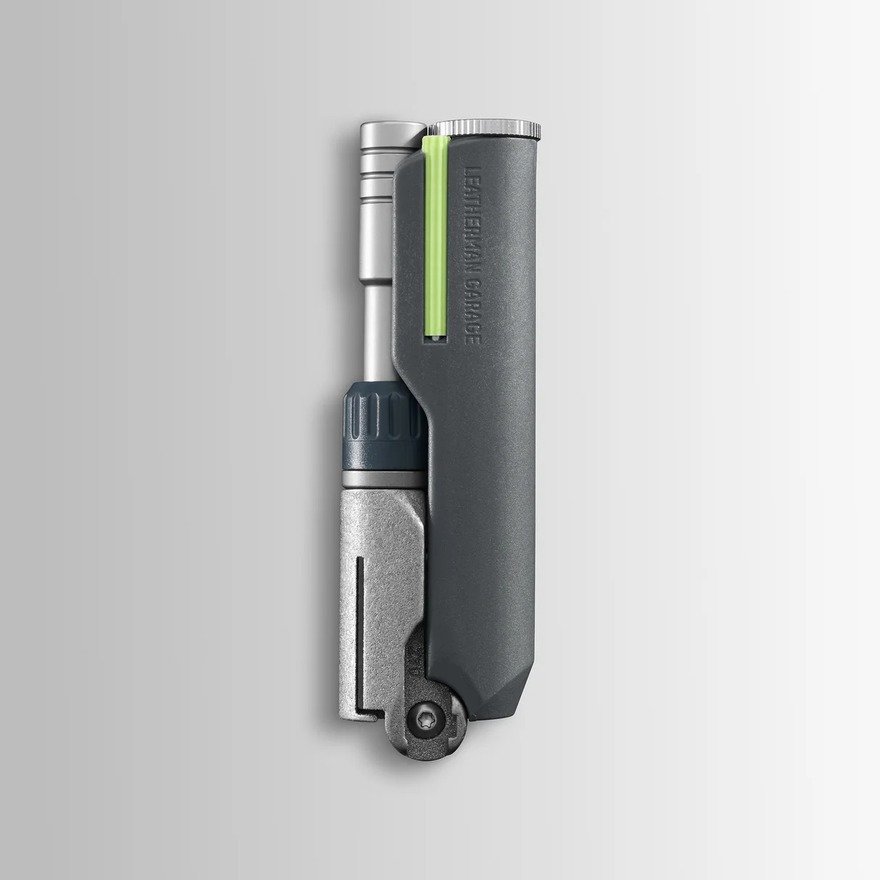
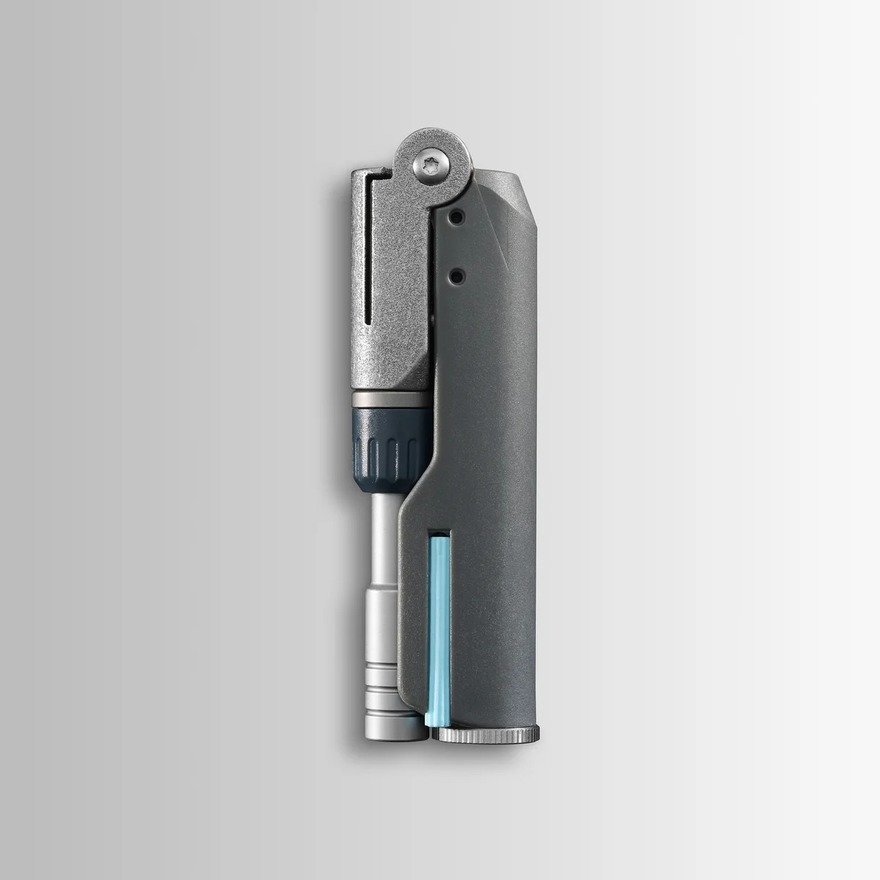
The genius of the #009 lies in its handle, which serves as a chassis for an array of integrated accessories. Accessed via a knurled cap—a tactile detail that signals high-end build quality—the handle conceals a micro-ecosystem of tools:
- The Ballpoint Pen: A green plastic-encased writing instrument, perfect for quick field notes.
- The Eyeglass Screwdriver: A blue plastic component designed for precision tasks, a staple for those in the EDC community who often find themselves tightening frames on the fly.
- The Mystery Component: A white plastic tool that has sparked intense debate on enthusiast forums. While official documentation remains sparse, speculation ranges from a proprietary tensioner to a specialized pry-tip or probe.
Mechanical Versatility
The tool’s primary function is powered by a high-torque, 3-way ratchet mechanism. Users can toggle between forward drive, reverse, and a locked position, providing the mechanical advantage needed for stubborn fasteners. Perhaps the most innovative feature is the T-shank-compatible bit holder. This allows the driver to accommodate not just standard bits, but also T-shank metal files and mini-saws, effectively turning a bit driver into a multi-functional implement for light machining and material removal.
Chronology of a "Drop": From Announcement to Instant Sell-Out
The trajectory of Batch #009 followed the well-worn path of modern "drop" culture, mirroring the tactics utilized by brands like Supreme or Nike’s SNKRS app.
- The Tease: Weeks before the official launch, cryptic imagery appeared on Leatherman’s social media channels. The blurred, industrial aesthetic hinted at something "unconventional," building anticipation within the EDC community.
- The Launch: When the product page finally went live, the $75 price point was met with immediate interest. Within minutes—some reports suggest seconds—the inventory was entirely depleted.
- The Aftermath: By the time the general public was alerted to the availability, the secondary market (eBay and dedicated forums) began to see listings for the tool at significant markups, further fueling the ire of the consumer base.
The "Supreme-ification" of Tools: Consumer Sentiment and Backlash
The immediate sell-out of the #009 has triggered an unusual reaction. To date, the product page for the Batch #009 features a handful of reviews, all of which are negative—not because of the tool’s performance, but because of its unavailability.
"I guess I have to accept the reality that Leatherman is like Supreme now," wrote one disgruntled user. This sentiment encapsulates a profound shift in the relationship between Leatherman and its long-term loyalists. The company, once defined by its "work-first" ethos, is being perceived by some as shifting toward a model of manufactured scarcity.
This tension is not entirely new to the manufacturing world, but it is felt more acutely in the tool industry. Tools are, by definition, meant to be used, abused, and owned by the masses. When a tool becomes a "collector’s item," it alienates the very demographic that built the brand’s reputation: the tradespeople, the mechanics, and the outdoor enthusiasts who require reliable equipment rather than status symbols.
Official Responses and Strategic Implications
Leatherman has maintained that the Garage line is about gathering data. By testing these experimental designs, the company claims it is looking for "proof of concept" to see which innovations warrant mass production. However, for a company that prides itself on the "Leatherman Promise" (its robust 25-year warranty), the Garage line represents a complex paradox.
If a tool is experimental, how is it serviced? If a part on the #009 fails, will there be replacement parts available, or is the owner left with a $75 paperweight? These are the questions that the company has yet to fully address in its public-facing communications regarding the Garage initiative.
Implications for Future Product Development
The success of the #009, despite the criticism, suggests that Leatherman’s gamble is paying off from a financial and marketing standpoint. By creating a frenzy, they have ensured that the brand remains at the center of the conversation in a saturated market.
However, the long-term risk remains. If the "Garage" brand becomes synonymous with "unattainable," the company risks diluting the trust of its core customer base. The challenge for Leatherman moving forward will be to balance this experimental, high-hype marketing with the accessibility that historically defined the brand.
Conclusion: A Turning Point for Legacy Manufacturing
The Garage Batch #009 is more than just a ratcheting bit driver; it is a case study in the evolution of modern consumer goods. It demonstrates that even the most utilitarian sectors are not immune to the allure of exclusivity. As Leatherman continues to refine its experimental arm, the industry will be watching closely to see if this "Supreme-ification" leads to true design innovation or if it ultimately compromises the accessibility of one of America’s most iconic tool manufacturers.
For now, those lucky enough to have secured a Batch #009 are in possession of a unique piece of engineering history—a bridge between the rugged reliability of the past and the experimental, fast-paced nature of the future. For everyone else, the hunt continues, and the debate over whether this is the future of the company or a departure from its soul rages on in the forums and comment sections of the internet.
About the Author