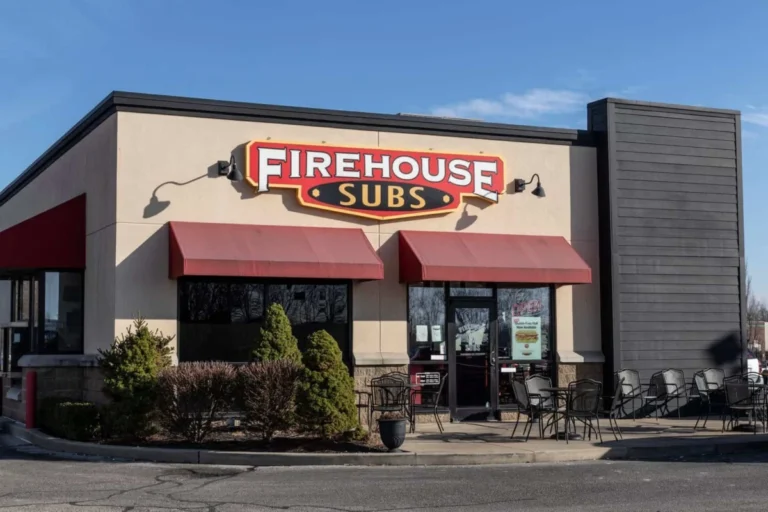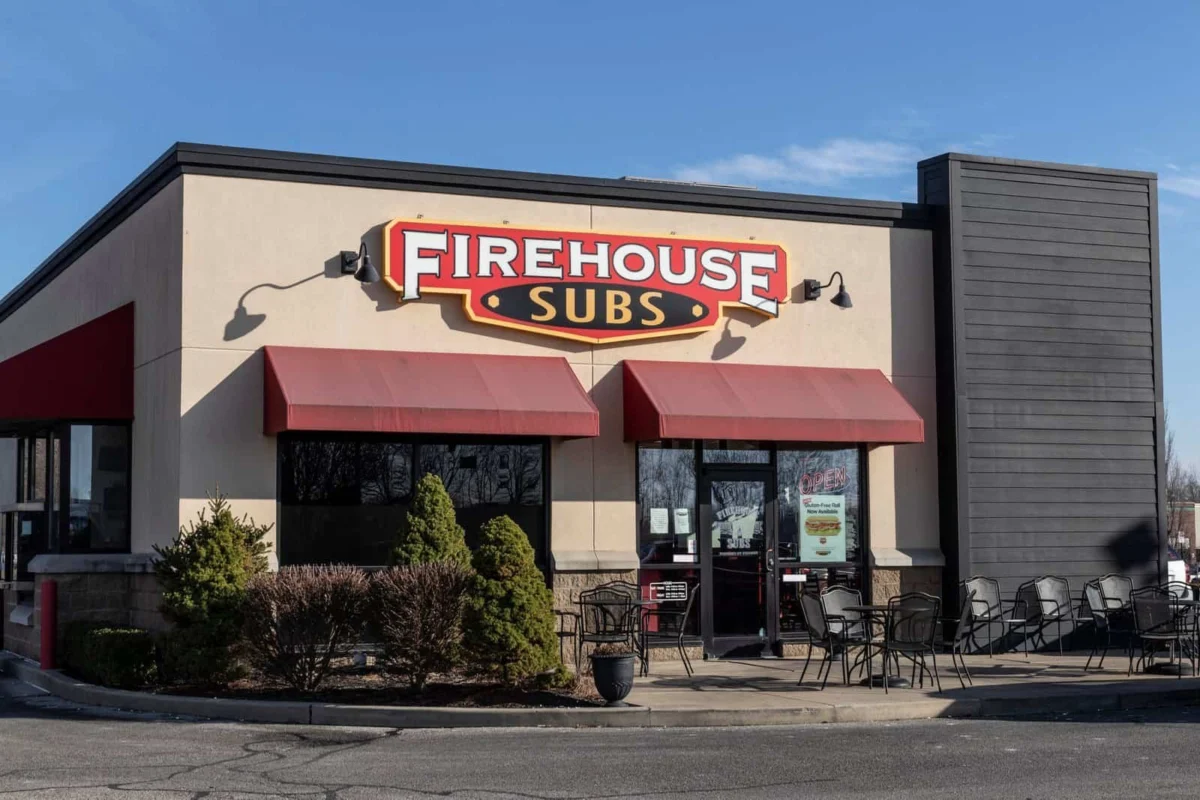
In a strategic move to sharpen its competitive edge within the fiercely contested quick-service restaurant (QSR) sector, Firehouse Subs has officially appointed Carolina Berti as its new Chief Marketing Officer for the United States and Canada. Berti, a seasoned industry veteran, arrives at the Jacksonville-based sandwich chain at a pivotal moment, as the company—now a key component of Restaurant Brands International (RBI)—seeks to accelerate its footprint and solidify its market position against entrenched rivals.
As CMO, Berti will assume comprehensive oversight of brand marketing, menu development, and guest engagement strategies. Her mandate is clear: translate her success in the high-frequency coffee sector into sustainable, long-term growth for a brand currently operating just over 1,200 locations.
The Architect of Growth: Berti’s Proven Track Record
To understand why Firehouse Subs recruited Berti, one must look at her tenure at Tim Hortons, another crown jewel within the RBI portfolio. Over the course of nearly a decade, Berti climbed the ranks, eventually serving as the Vice President of Marketing and Innovation.
During her time at Tim Hortons, Berti was credited with orchestrating a period of remarkable consistency. Her strategic oversight helped the brand achieve 17 consecutive quarters of sales growth—a feat rarely seen in the volatile QSR landscape. Perhaps most importantly, she oversaw the successful launch of over 100 individual products, demonstrating a keen ability to balance rapid innovation with the operational realities of a large-scale franchise model.
Mike Hancock, President of Firehouse Subs, highlighted that Berti’s appointment is more than a standard leadership change. "Carolina brings a rare combination of creative vision and rigorous business acumen," Hancock noted. "Her track record of driving innovation and connecting with guests is exactly what we need to write the next chapter for Firehouse Subs."
Chronology: From First Responders to Global Expansion
The story of Firehouse Subs is one of steady, deliberate growth that is now entering a phase of exponential scaling.
- 1994: Former firefighters Chris and Robin Sorensen founded the brand in Jacksonville, Florida, leveraging their backgrounds to create a unique, service-oriented culture.
- 1994–2021: Over nearly three decades, the brand built a loyal following through its "hot and hearty" sub sandwiches and its signature commitment to donating to public safety organizations.
- 2021: A landmark year for the company, as Restaurant Brands International (RBI) acquired Firehouse Subs for $1 billion. This acquisition integrated the chain into a global powerhouse that includes Burger King, Popeyes, and Tim Hortons.
- 2022–2023: RBI began laying the groundwork for international expansion, signing major development deals in Mexico and Brazil.
- 2024: The appointment of Carolina Berti marks the beginning of a renewed focus on digital loyalty, menu diversification, and brand modernization.
Supporting Data: The Competitive Landscape
Firehouse Subs finds itself in a unique position within the sandwich category. With roughly 1,200 locations, it occupies a "challenger" space. While it remains significantly smaller than the industry behemoth Subway—which boasts over 20,000 U.S. locations—Firehouse Subs is frequently pitted against agile, high-growth regional players such as Jersey Mike’s and Jimmy John’s.
The pressure to compete is not just about unit count; it is about "share of stomach" and digital relevance. RBI’s broader corporate goal is to reach 40,000 total restaurants across its brands by the end of the decade. For Firehouse, this means a significant uptick in its contribution to that total.
Recent international development agreements underscore the scale of these ambitions:
- Mexico: A deal to open 100 restaurants.
- Brazil: A long-term target of 500 new units over the next decade.
- U.S. Incentives: Implementation of new franchisee support packages designed to lower barriers to entry for new operators and incentivize multi-unit ownership.
The Convergence of Marketing and Operations
The modern CMO role in the QSR space has undergone a radical transformation. It is no longer restricted to traditional advertising and brand awareness. Today, the CMO is essentially a "Chief Experience Officer," overseeing the complex ecosystem where menu innovation meets digital loyalty programs.
Berti’s portfolio at Firehouse perfectly illustrates this shift. Under her guidance, the brand is expected to prioritize:
- Menu Innovation: Moving beyond the standard sub-sandwich lineup to include higher-margin, trend-driven items that cater to shifting consumer tastes.
- Loyalty Integration: Utilizing data-driven insights to incentivize repeat visits, a battleground where QSRs are fighting for consumer attention against grocery stores and delivery-only models.
- Cross-Pollination: By moving an executive from a coffee-and-bakery model (Tim Hortons) to a sandwich model, RBI is signaling that it believes the core principles of frequency, breakfast-daypart expansion, and digital engagement are universal.
Official Responses and Internal Philosophy
The appointment of Berti is also a masterclass in the "RBI Way"—a corporate philosophy that prioritizes the internal rotation of talent. By shifting leaders between its disparate brands, RBI ensures that its corporate culture remains cohesive while allowing for the sharing of "playbooks."
For instance, the strategies used to scale Tim Hortons’ coffee and breakfast programs are being analyzed to see which elements can be successfully adapted for the Firehouse Subs menu. This internal mobility keeps leadership aligned with the corporate goal of becoming a global, multi-category titan.
"We are building a machine that thrives on best practices," an RBI spokesperson noted. "Carolina’s deep understanding of how to drive a menu through marketing, and how to use that to fuel franchisee profitability, is a blueprint we want to see replicated across all our banners."
Strategic Implications for the QSR Industry
For industry observers, retail leaders, and investors, the Firehouse Subs move offers three critical takeaways:
1. The Rise of the "Integrated" Marketing Role
Firehouse is not just hiring a communicator; they are hiring a product-focused strategist. This trend is becoming the industry standard. Brands that silo their marketing, menu development, and digital teams are increasingly losing market share to those that unify these functions under a single, cohesive vision.
2. The Power of "Challenger" Positioning
Even as Firehouse scales, it must retain the "local hero" appeal that helped it grow. Marketing in the next phase will need to leverage the brand’s firefighter roots while simultaneously embracing modern, tech-forward guest experiences. Balancing heritage with modernization is perhaps the greatest challenge Berti faces.
3. Efficiency as a Competitive Advantage
In an era of high interest rates and rising labor costs, marketing is no longer just about splashy campaigns. It is about efficiency. Every product launch under the new leadership will likely be scrutinized for its impact on kitchen operations and its ability to drive consistent, high-frequency traffic.
Conclusion: What to Watch
As Carolina Berti settles into her role, the industry will be watching for several key indicators of success. First, will we see a significant shift in the Firehouse menu architecture? Analysts expect to see more limited-time offers (LTOs) and potentially an expansion into new dayparts, such as breakfast or late-night, to maximize unit volume.
Second, the efficacy of the new loyalty program will be under the microscope. In the current economic climate, where consumers are increasingly price-sensitive, a loyalty program that offers genuine, personalized value will be the primary engine of customer retention.
Finally, the international rollout will serve as a litmus test for the brand’s global viability. Can the "Firehouse" concept—rooted in American firefighting culture—resonate with consumers in Brazil and Mexico? If Berti’s track record is any indication, the brand is betting that solid operational strategy, coupled with aggressive, data-backed marketing, will bridge the cultural gap.
Firehouse Subs is entering a defining era. With the weight of the RBI machine behind it and a seasoned leader in the CMO seat, the brand is no longer just a regional favorite—it is a global contender in the making. The next several quarters will determine if the "next chapter" is one of sustained, profitable growth or a cautionary tale of over-expansion. For now, all eyes are on the brand’s headquarters in Jacksonville, where the fire is clearly being stoked for a much larger future.
About the Author