In the complex ecosystem of modern manufacturing, compressed air is often relegated to the background, functioning as an invisible yet indispensable force. Frequently referred to as the “fourth utility”—alongside electricity, water, and gas—compressed air powers everything from pneumatic pistons and assembly tools to cooling systems and precision painting. Yet, despite its critical role, it remains the only utility typically owned and managed internally by the facility rather than an external provider.
As production demands escalate and profit margins tighten, the reliability of these systems has become a focal point for plant managers and sustainability engineers. Transitioning from reactive firefighting to a culture of predictive maintenance is no longer a luxury; it is an operational imperative.
Main Facts: The Critical Role of System Resilience
Compressed air systems are the silent workhorses of the plant floor. Their failure is not merely a technical inconvenience; it is a full-stop event. When a compressor system suffers a catastrophic failure, production ceases instantly, leading to significant financial losses that far outweigh the costs of implementing robust maintenance strategies.
Predictive maintenance involves the systematic collection of performance data to anticipate failures before they occur. Unlike preventive maintenance, which relies on fixed schedules (e.g., changing filters every 2,000 hours), predictive maintenance uses real-time diagnostics to understand the "health signature" of the machine. By monitoring vibration, lubricant chemistry, temperature, and power consumption, facilities can plan repairs during scheduled downtime, thereby eliminating the chaos of unplanned shutdowns.
The Chronology of Industrial Maintenance Evolution
The approach to managing compressed air has evolved in three distinct phases:

1. The Reactive Era (The Break-Fix Model)
Historically, industrial facilities operated on a "run-to-failure" basis. Equipment was serviced only when it stopped producing air. This model was characterized by high emergency repair costs, the need for expensive rental equipment, and prolonged periods of zero productivity.
2. The Preventive Era (Scheduled Upkeep)
Recognizing the flaws in the reactive model, industry leaders moved toward structured preventive maintenance. This involved adhering to manufacturer-recommended service intervals—replacing air filters, fluid filters, separators, and lubricants at specific milestones. While this drastically reduced the frequency of catastrophic failures, it left a gap: a machine could pass its preventive check one day and fail due to an unforeseen internal component issue the next.
3. The Predictive Era (Data-Driven Reliability)
Today, we are in the era of the Industrial Internet of Things (IIoT). By leveraging sensors and advanced analytics, operators now monitor the continuous performance of their equipment. This chronology reflects a broader industry shift toward "Reliability Centered Maintenance," where data, not the calendar, dictates the timing of maintenance interventions.
Supporting Data: Why Redundancy is the Ultimate Insurance
One of the most persistent oversights in facility management is the lack of system redundancy. Companies frequently invest millions in production machinery while opting for the bare minimum in air-compression infrastructure.
Data from industry experts suggests that while a facility might spend hundreds of thousands on a backup power generator to mitigate electrical outages, the investment required for a redundant compressed air system is often lower and significantly more critical to day-to-day operations.

The Cost of Inaction
- Production Downtime: Often exceeds the cost of a secondary compressor system within hours of a shutdown.
- Rental Expenses: Emergency rental of air compressors is a high-cost, short-term solution that provides no long-term value.
- Efficiency Losses: A system running without periodic leak detection can see energy costs balloon by 20% to 30% due to wasted air pressure.
Official Insights: Strategies for Effective Maintenance
Industry professionals emphasize that a balanced approach—combining preventive rigor with predictive intelligence—is the gold standard for facility longevity.
Implementing a Predictive Maintenance Plan
To build a resilient system, managers should focus on the following pillars:
Lubricant Sampling
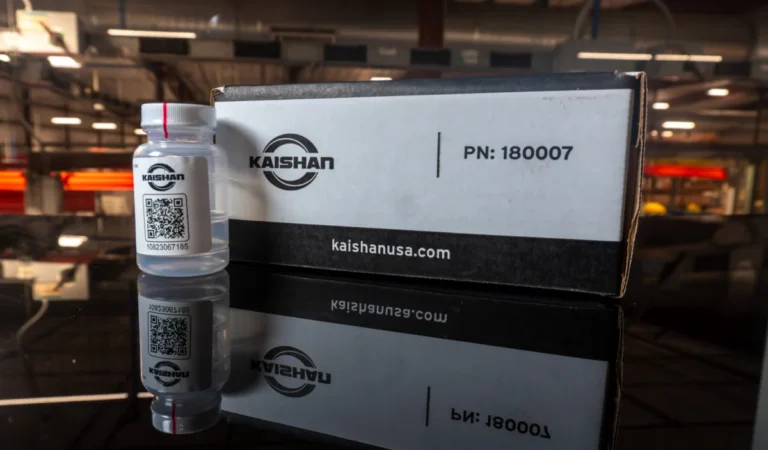
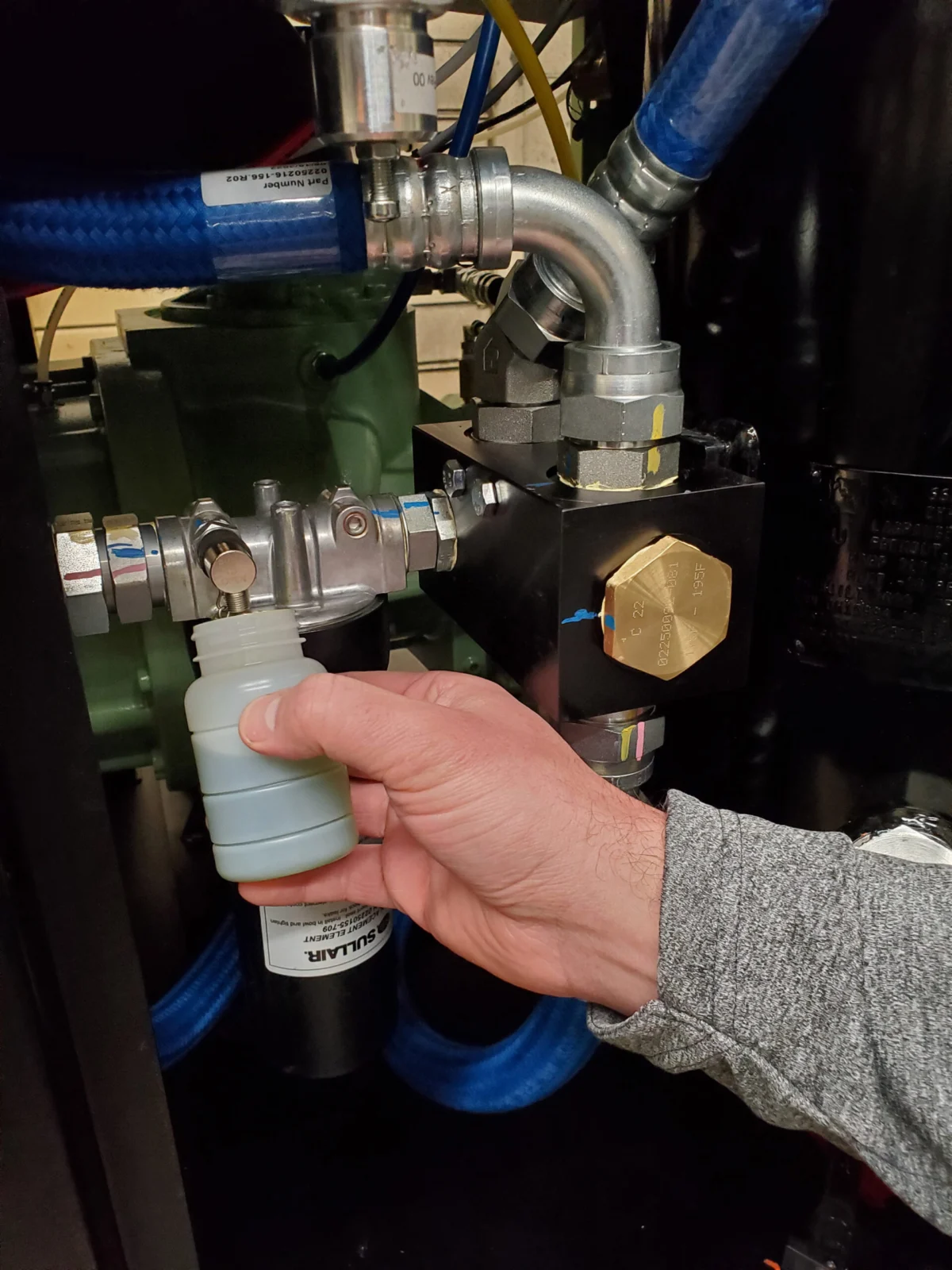
Lubricant is the "blood" of the compressor. Regular sampling is essential, even after a unit exits its warranty period. By analyzing viscosity, acid levels, and the presence of wear metals, teams can detect internal friction or contamination long before a catastrophic seizure occurs.
Vibration Analysis
Every compressor possesses a unique vibration signature. By utilizing sensors to monitor these frequencies, technicians can identify specific mechanical failures in their infancy—such as bearing spalling, rotor imbalance, or internal alignment issues—before they escalate into full-scale component destruction.
Acoustic and Ultrasonic Leak Detection
Leaks are the silent killers of system efficiency. While the old "soap and water" method remains useful for spot checks, modern acoustic imaging devices allow technicians to "see" sound. These tools superimpose a visual heat map of a leak over a camera image, enabling maintenance teams to identify and tag leaks from hundreds of feet away without interrupting production.

Thermography and Electrical Monitoring
Using infrared thermography, engineers can identify hot spots in electrical panels, motors, and discharge lines. Loose connections or failing thermal valves often manifest as heat signatures. Addressing these issues early prevents fires and ensures the electrical integrity of the system.
Implications: The Bottom Line for Sustainability and Profit
The transition to predictive maintenance is not just a technical upgrade; it is a financial and environmental strategy.
Energy Efficiency
Compressed air is one of the most expensive utilities to generate. By reducing leakage and ensuring equipment operates within its optimal performance parameters, facilities can significantly lower their carbon footprint. Lower demand directly translates to reduced energy consumption, which is a major win for corporate sustainability goals.
Extended Lifespan
Preventive and predictive care directly correlate to the lifecycle of the compressor. By mitigating the "varnish" buildup on rotors caused by degraded fluids and correcting alignment issues early, the effective life of the machine can be extended by years. This maximizes the return on investment (ROI) for the initial capital expenditure.
The Human Element
Finally, the implementation of these technologies empowers the workforce. Maintenance teams shift from being "repairmen" who are constantly stressed by equipment failures to "reliability engineers" who use data to optimize performance. This change in culture improves morale and creates a more professional, proactive work environment.

Conclusion: Securing the Future of the Fourth Utility
The compressed air system is the heartbeat of a manufacturing facility. Ignoring it because it is "just an utility" is a strategy that inevitably leads to failure. By integrating preventive maintenance schedules with cutting-edge predictive tools like vibration analysis, acoustic imaging, and data trending, plant managers can transition from a state of uncertainty to one of absolute control.
Redundancy, regular inspection, and a commitment to data-driven insights form the foundation of a modern, reliable facility. In an increasingly competitive global market, those who master their utilities will be the ones who maintain the competitive edge, ensuring that their production lines never stop, and their efficiency never falters.
Key Takeaways for Management:
- Redundancy is non-negotiable: Plan for a backup system to avoid the prohibitive costs of emergency production halts.
- Leverage IoT: Continuous monitoring of pressure, temperature, and power is now cost-effective and provides the data necessary to predict, rather than react to, failure.
- Audit for leaks: Implement an ongoing leak detection program; it is the single fastest way to reduce operational costs and increase available capacity.
- Invest in Training: Ensure your maintenance team understands how to interpret data from vibration and thermography tools to make informed decisions about the health of the equipment.
About the Author