The final week of July 2026 proved to be a bellwether for the industrial design sector, highlighting a tension between high-tech automation and the enduring necessity of practical, mechanical problem-solving. From the rapid evolution of autonomous robotics to the clever, low-tech adaptations found on Colombian railroads, the design community has been preoccupied with how we move, store, and interact with the physical world.
This week’s dispatch explores the intersection of computational craft, heavy-duty logistics, and the evolving regulatory landscape governing international technology trade.

The Landscape of Innovation: Main Facts
The week was defined by a surge in "adaptive design"—a philosophy that prioritizes the modification of existing infrastructure to solve modern efficiency problems. We observed a shift in how designers approach the "last mile" of storage and transport, evidenced by Flatbike’s flat-folding bicycle accessories and the retractable spiral staircases pioneered by Manufactura.
Simultaneously, the robotics sector faced a major geopolitical reckoning. While companies like Unitree continue to push the boundaries of off-road locomotion with the Super Athlete AS2-W, the U.S. government’s decision to ban foreign-made robots—specifically those originating from key overseas competitors—has created a fragmented global market for autonomous systems.
A Chronological Overview of the Week’s Developments
July 27–28: The Aesthetics of Function
The week opened with a focus on tactile design. We explored the subtle genius of Sonic’s focus on the UX of pencil cases—a reminder that even the most mundane objects require rigorous human-centric research. This was followed by a look at a deceptively simple yet elegant integrated gate latch, proving that classic mechanical engineering remains a cornerstone of good design.
July 29–30: Computational Design and Living Spaces
Mid-week, the conversation turned toward architecture and material science. Architect Priyanka Narula made waves by successfully merging computational design with traditional wicker weaving, demonstrating that digital tools can honor, rather than replace, heritage crafts. During this period, we also highlighted the unique residential landscape of the Dutch "lake-strip" communities, where urban planning has adapted to water-based topography in ways that defy conventional suburban models.

July 31: Infrastructure and Regulatory Shifts
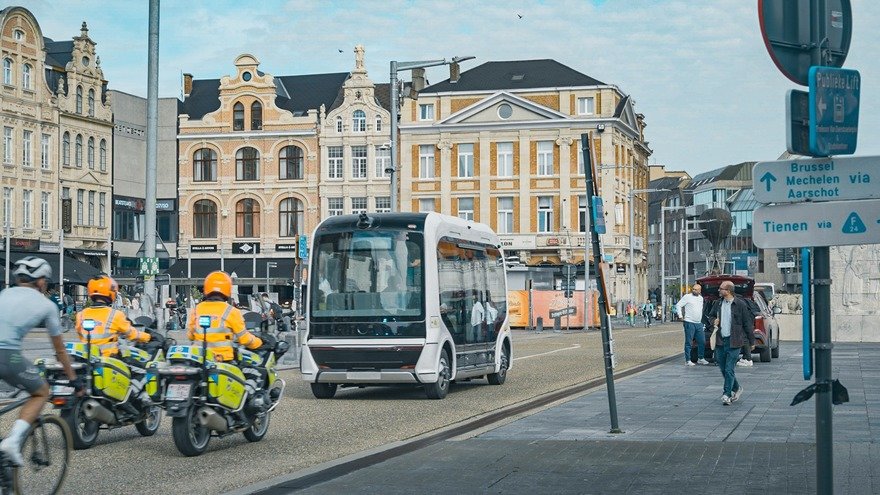
The week closed with a focus on large-scale logistics. We examined the "motorcycle-railroad" adaptations in Colombia—a masterpiece of improvised infrastructure—and contrasted it with the high-tech reality of Chinese autonomous buses, which are currently being deployed in global markets while remaining largely absent from the U.S. landscape due to emerging policy constraints.
Supporting Data and Technical Innovations
The Robotics Divide
The Unitree Super Athlete AS2-W represents a paradigm shift in robotics. Unlike the delicate, lab-bound robots of the past, the AS2-W is designed as a "pack mule," capable of traversing uneven, off-road terrain. However, this technical prowess is now shadowed by the U.S. government’s recent mandate prohibiting the import of specific foreign-made robotic hardware.

The data suggests that while Chinese manufacturers have achieved a cost-to-performance ratio that is currently difficult to replicate domestically, the political climate is forcing a "bifurcation" of the global robotics market. Companies are now being forced to choose between competing in the open global market or pivoting to serve exclusively Western-aligned infrastructure projects.
Spatial Efficiency in Design
The design community has shown a marked increase in interest regarding "space-saving" mechanics. Two standout examples from the week include:
- Manufactura’s Retractable Spiral Staircases: A solution that addresses the high cost of square footage in urban environments.
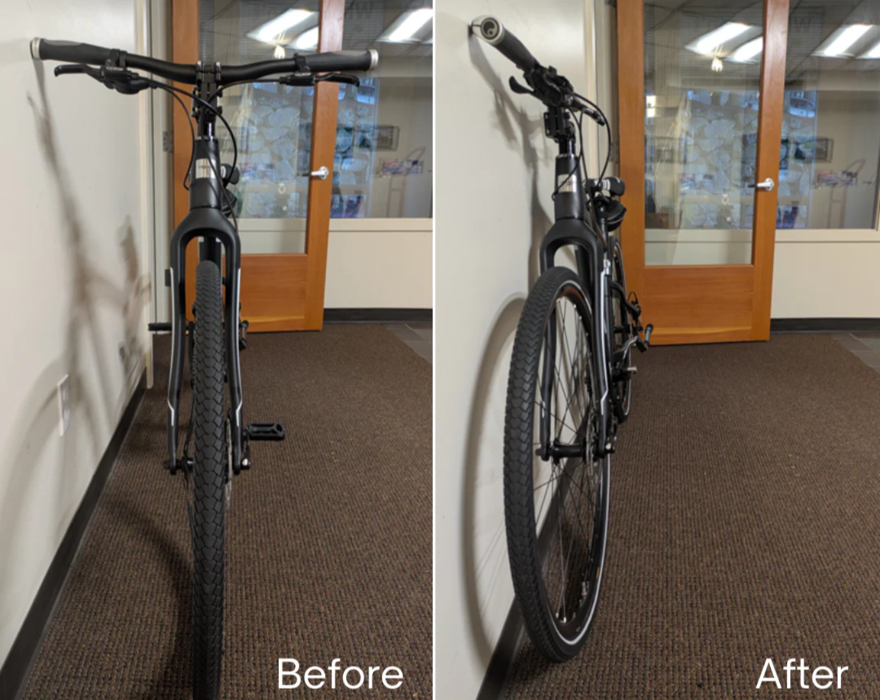
- Flatbike’s Folding Accessories: By allowing bicycles to fold flat, these accessories address the "storage bottleneck" that prevents urban dwellers from utilizing bicycles as primary transit.
Official Responses and Industry Sentiment
The policy regarding the ban on foreign-made robots has sparked significant discourse within the industrial design and engineering communities. While the U.S. government cites national security and the protection of domestic supply chains as the primary drivers, critics argue that such bans stifle innovation.
"When you remove global competition from the hardware market, you aren’t just protecting jobs—you are effectively capping the ceiling of what is possible," notes one lead systems architect. "We are seeing a trend where design is becoming subservient to trade policy. It is no longer enough for a design to be functional or beautiful; it must now be geopolitically compliant."

Conversely, supporters of the move argue that the dependency on foreign autonomous systems poses an existential risk to municipal infrastructure. "If your city’s bus fleet is powered by a system that can be remotely toggled or requires parts that are suddenly embargoed, you don’t have a transportation system; you have a liability," a policy analyst stated in a recent white paper regarding the autonomous bus deployment.
Implications: Where Does Design Go From Here?
The events of this past week suggest three major implications for the future of industrial design:

1. The Rise of "Constraint-Based Innovation"
Designers are increasingly working under tighter constraints—whether they are physical constraints (like the need to store a bike in a tiny apartment) or regulatory constraints (like the inability to use certain robotic components). These constraints are, paradoxically, fueling a new wave of creativity. The Colombian motorcycle-railroad adapters are the gold standard of this mindset: using ingenuity to overcome a lack of resources.
2. The Resurgence of Computational Craft
The work of Priyanka Narula illustrates that we are entering a "post-digital" era. The novelty of using computers to design objects is wearing off; the new focus is on using computers to enhance traditional materials. We expect to see more projects that combine the precision of algorithms with the warmth and sustainability of natural materials like wicker, wood, and stone.

3. The Fragmentation of Technology
For designers and manufacturers, the world is becoming smaller. The "global marketplace" is being replaced by regional spheres of influence. This will necessitate a shift in how products are developed. A product designed in 2026 can no longer be a "one-size-fits-all" solution. It must be modular, repairable, and—perhaps most importantly—compatible with the specific regulatory ecosystem of its target region.
Conclusion: Looking Ahead
As we move into August, the lessons from the last five days are clear: design is inseparable from the world it inhabits. Whether it is a concrete-based wireless charger from Modhaus, which brings a heavy, grounding aesthetic to high-tech electronics, or the high-performance mobility of an autonomous robot, every object is a statement about how we view our relationship with technology.

The Core77 roundup has always been about more than just "new things." It is about the why behind the what. As we watch the U.S. government’s robot ban play out and track the ingenious ways individuals adapt their infrastructure, we are seeing the evolution of a design culture that is becoming more pragmatic, more localized, and more resilient.
Stay tuned for next week’s roundup, where we will continue to track the projects, the policies, and the people shaping the future of the designed world. From the smallest pencil case UX to the largest infrastructure adaptations, we remain committed to highlighting the work that matters most.
About the Author