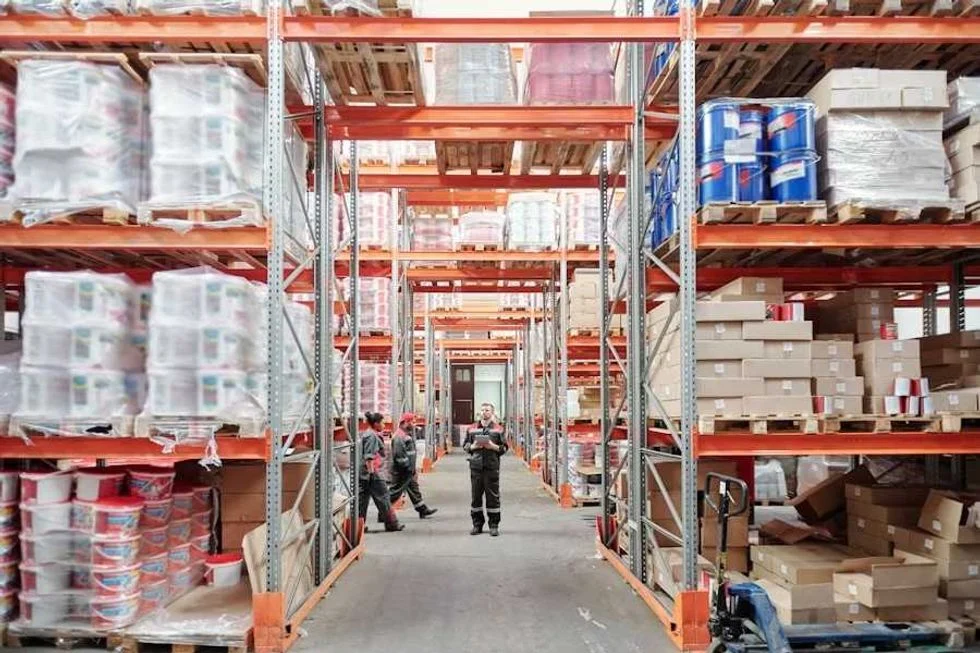
In a significant move underscoring the enduring appeal of the American industrial real estate sector, Stockholm-based investment giant EQT Real Estate has announced the acquisition of an 11-asset logistics portfolio for $268 million. The transaction, which spans 2.8 million square feet across six high-growth U.S. markets, marks a calculated expansion for the firm as it pivots deeper into the “Core Plus” logistics landscape.
The deal, financed in part by ING Capital LLC, highlights a broader institutional trend: the pursuit of high-quality, modern, and fully leased industrial infrastructure to hedge against macroeconomic volatility.
The Core Facts: A Strategic Acquisition
The portfolio acquired by EQT consists of 11 institutional-grade assets characterized by modern specifications and diverse tenant rosters. With a combined footprint of 2.8 million square feet, the acquisition is strategically positioned to serve key supply chain nodes.
Asset Composition
The portfolio is meticulously balanced to cater to various tiers of the logistics ecosystem:
- Bulk Distribution (63%): Focused on regional warehousing and large-scale inventory management.
- Light Industrial (26%): Tailored for smaller-scale manufacturing and assembly.
- Last-Mile Distribution (11%): Positioned to facilitate rapid, urban-adjacent delivery services.
The technical specifications of these properties are a major draw for investors. With an average construction date of 2014, these facilities are relatively young, offering 33-foot average clear heights—an essential metric for modern automated racking systems—and an average of 22 dock-high doors per asset, ensuring high throughput for logistics operators.
Chronology and Execution
While the deal was finalized recently, the acquisition process involved a complex orchestration of capital allocation and due diligence.
Phase 1: Identification and Selection
EQT Real Estate, leveraging its deep data analytics capabilities, identified a portfolio that met strict criteria: proximity to major transit arteries, high-growth demographic corridors, and a weighted average lease term (WALT) of seven years. The stability provided by the existing full occupancy served as the primary catalyst for the firm’s interest.
Phase 2: Financing and Negotiation
The acquisition was structured through EQT Real Estate’s "Core Plus Fund IV." The financing package was facilitated by ING Capital LLC, which recognized the portfolio as a high-conviction asset class.
Phase 3: Integration
With the transfer of ownership complete, EQT is now focused on asset management, aiming to drive long-term value through operational efficiencies and the potential for future lease renewals as the seven-year WALT approaches its expiration.
Supporting Data: Why Logistics Remains a "Safe Haven"
The industrial real estate market has undergone a radical transformation over the last decade. EQT’s $268 million investment is backed by strong sector fundamentals.
Tenant Diversification
The portfolio’s risk is mitigated by a broad tenant base across critical sectors of the economy:
- Food & Beverage: Essential services providing recession-resistant income.
- Packaging: Supporting the growth of the e-commerce sector.
- Bulk Transport: Facilitating the movement of raw materials and heavy goods.
- E-commerce: Capitalizing on the permanent shift in consumer purchasing habits.
- Aviation: Providing specialized logistics support for the aerospace supply chain.
Market Dynamics
The 2.8 million square feet are spread across six identified high-growth U.S. logistics markets. These areas were selected for their proximity to labor pools, inland ports, and major interstate highway systems. By avoiding over-saturated markets and focusing on supply-constrained hubs, EQT has insulated the portfolio against the volatility often seen in secondary commercial property tiers.
Institutional Perspectives: The Role of EQT and ING
To understand the weight of this transaction, one must look at the entities involved. EQT AB, the parent organization, is a global powerhouse managing over €291 billion in assets. Its real estate division, EQT Real Estate, manages more than $59 billion, catering to over 100 institutional investors worldwide.
Official Response from ING Capital
The involvement of ING Capital provides institutional validation for the deal. Craig Bender, Managing Director and Head of Commercial Real Estate for the Americas at ING Capital LLC, noted that the deal exemplifies the necessity of bespoke financing in a tightening credit environment.
"This transaction reflects the creative, flexible financing solutions our real estate team is able to bring to sponsors navigating complex portfolio acquisitions," Bender stated. He added, "Logistics fundamentals remain strong, and we are pleased to support EQT Real Estate, one of the premier real estate platforms in the U.S."
Implications for the Future of Logistics
The acquisition of these 11 assets is more than a one-time transaction; it is a signal of where "smart money" is heading in the current economic cycle.
The Rise of "Core Plus" Strategies
As interest rates remain a point of discussion for commercial real estate, investors are moving away from speculative "value-add" projects in favor of "Core Plus" strategies. By acquiring fully leased assets with long-term tenant commitments, EQT is prioritizing cash-flow stability over high-risk development.
The "Last-Mile" Necessity
The 11% allocation to last-mile distribution underscores the continued importance of proximity. As e-commerce platforms continue to promise "same-day" or "next-day" delivery, the value of industrial properties located in or near dense population centers continues to appreciate, even as vacancy rates fluctuate in other commercial sectors like office or retail.
Sustainability and Modernization
With an average building age of 2014, these facilities are likely built to modern ESG (Environmental, Social, and Governance) standards. In the European market, where EQT is headquartered, ESG compliance is a prerequisite for institutional investment. Bringing this philosophy to the U.S. industrial market suggests that EQT intends to maintain the value of these assets by ensuring they remain compliant with the increasingly stringent energy efficiency requirements of the future.
Conclusion: A Benchmark Transaction
EQT Real Estate’s $268 million acquisition is a testament to the resilience of the U.S. logistics sector. In an era defined by supply chain reconfiguration and the relentless demand for warehouse space, the firm has positioned itself at the nexus of high-quality industrial infrastructure.
For investors, the deal provides a blueprint for successful capital deployment: identify a diversified tenant base, secure assets with modern technical specifications, and utilize flexible financing to navigate complex market cycles. As EQT integrates these 11 assets into its expansive global portfolio, the industry will be watching to see how the firm leverages its scale to optimize operational performance across these critical logistics hubs.
The transaction confirms that while the global economy faces ongoing challenges, the foundational need for robust, efficient, and well-located logistics space remains a cornerstone of institutional investment strategy. EQT Real Estate has signaled its long-term commitment to the U.S. market, setting a high bar for future industrial acquisitions in the coming fiscal year.
About the Author