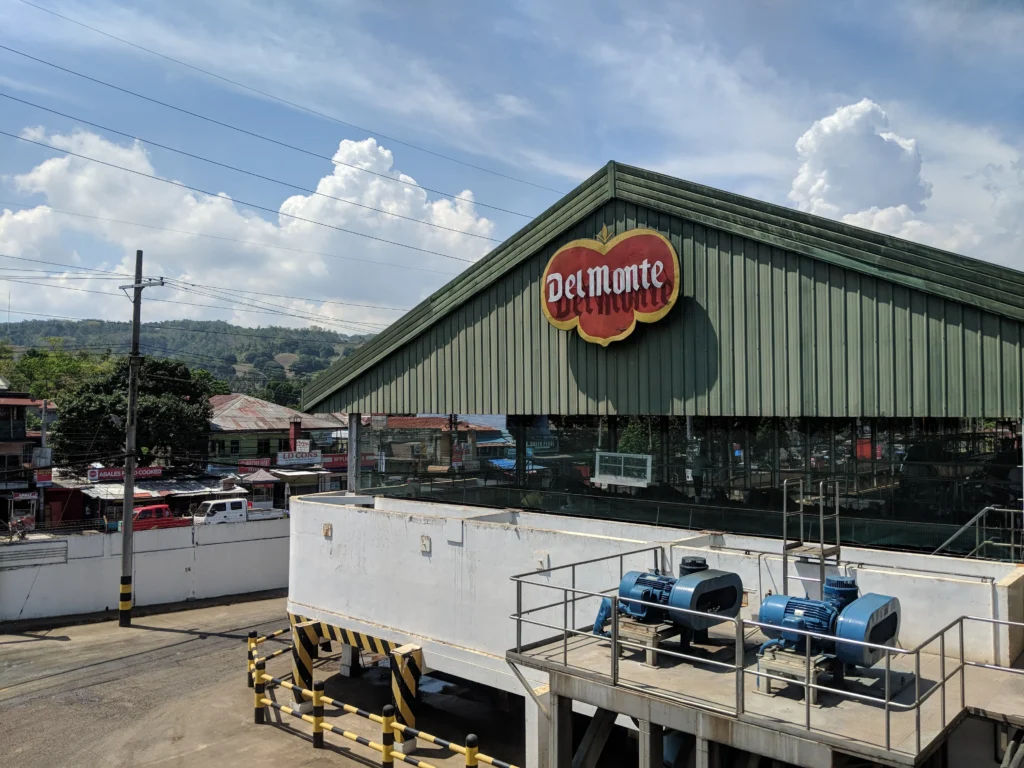
After 139 years of serving as a quintessential staple in the American pantry, Del Monte Foods has officially filed for Chapter 11 bankruptcy protection. The move marks a somber milestone for one of the most recognizable names in the food industry, signaling a painful convergence of shifting consumer behaviors, crushing debt loads, and a volatile macroeconomic environment that has left even the most iconic legacy brands struggling to stay afloat.
The Walnut Creek, California-based food giant, which has survived wars, economic depressions, and the rise of the modern supermarket, finally buckled under the weight of a changing world. In a July 2025 announcement, the company confirmed it had entered into a restructuring support agreement with its key lenders. To ensure business continuity during the court-supervised transition, Del Monte has secured $912.5 million in debtor-in-possession (DIP) financing. This capital injection is intended to maintain operations, pay employees, and fulfill vendor obligations while the company actively seeks a buyer to purchase its assets.
The Perfect Storm: A Chronology of Decline
To understand the collapse of Del Monte, one must look at the slow-motion erosion of its core business model over the last decade, punctuated by a series of acute crises in the last eighteen months.
- Early 2020–2022 (The Pandemic Anomaly): When the COVID-19 pandemic triggered mass lockdowns, demand for shelf-stable goods skyrocketed. Del Monte saw a massive surge in sales as consumers stockpiled canned fruits, vegetables, and broths. Encouraged by this, the company ramped up production and bloated its inventory to meet perceived long-term demand.
- 2023–2024 (The Normalization Trap): As pandemic-era fears subsided, consumer behavior reverted—but not to pre-pandemic levels. Shoppers moved away from "center-aisle" staples, favoring fresh produce and chilled, refrigerated alternatives. Del Monte found itself sitting on massive, costly inventories that were moving off shelves at a glacial pace.
- June 2025 (The Tariff Tipping Point): The U.S. government implemented aggressive new tariffs on imported steel and aluminum. For a company whose primary packaging is metal, this was a catastrophic blow. Internal documents indicate that these tariffs, combined with broader supply-chain inflationary pressures, added over $100 million in annual costs to the company’s bottom line.
- July 2025 (The Filing): Faced with $1.3 billion in debt and unable to offset the rising cost of production through price increases—due to fierce competition from private-label grocery store brands—Del Monte board members authorized the Chapter 11 filing.
Shrinking Demand: The "Fresh" Revolution
At the heart of the company’s struggle is a fundamental change in the American palate. Modern consumers are increasingly wary of "preservative-laden" canned goods, viewing them as inferior to fresh, organic, or frozen alternatives. This trend has been particularly punishing for Del Monte’s legacy categories: canned corn, peaches, and green beans.
While the company attempted to pivot through the acquisition and development of brands like Kitchen Basics, College Inn, and the trendy bubble-tea line Joyba, these non-canned segments lacked the scale required to subsidize the shrinking legacy business. Analysts point out that as inflation gripped the grocery sector, budget-conscious shoppers began opting for store-brand labels (private labels). When a consumer views a generic can of peaches as identical to a Del Monte can, the legacy brand loses its pricing power, leading to a "race to the bottom" that heavily indebted firms cannot win.
The Heavy Burden of Metal and Debt
While changing tastes provided the slow-burn threat, the financial structure of the company provided the fuel for the fire. Del Monte carried approximately $1.3 billion in debt, a legacy of various leveraged buyouts and capital-intensive operations.
The most recent and decisive blow was the surge in metal packaging costs. In the canned-food industry, the "can" is not just a container; it is a primary input cost that cannot easily be substituted. The 2025 tariffs on steel and aluminum essentially acted as a massive, mandatory tax on every unit produced. Because Del Monte was already operating on razor-thin margins due to competitive pressures, the $100 million-plus increase in packaging costs could not be passed on to the consumer without sacrificing volume even further.
Furthermore, the excess inventory built up during the pandemic proved to be a financial anchor. Carrying costs, warehousing fees, and the eventual write-downs of unsold, aging inventory decimated the company’s cash flow. When liquid assets dried up, the company found itself unable to service its interest payments, leading to the current restructuring.
Official Responses and Strategic Intent
In their formal communication, Del Monte leadership has framed the bankruptcy as a "strategic action" rather than an admission of defeat.
"This process is the most effective way to strengthen our financial position and maximize value for our stakeholders," the company stated in a press release. The board of directors maintains that the brand remains strong and that the underlying assets—including the infrastructure and distribution networks—remain valuable to the right investor.
The Restructuring Support Agreement (RSA) has the backing of the majority of the company’s senior lenders, which suggests that the legal process may be faster and more orderly than a traditional liquidation. The company is actively courting potential buyers who may look to strip the company down to its most profitable components, such as its broth and beverage divisions, while potentially offloading the struggling canned vegetable business.
Implications for the Packaged Food Industry
The Del Monte bankruptcy serves as a "canary in the coal mine" for the broader food and beverage industry. It highlights the extreme vulnerability of legacy food producers to the volatility of global trade policy.
1. The Vulnerability of Metal-Dependent Goods
The incident confirms that when a business is tethered to a specific, high-cost commodity like steel, they are disproportionately sensitive to geopolitical trade shifts. The Del Monte case study will likely be used in business schools to demonstrate how a single policy shift—in this case, tariffs—can turn a manageable debt load into an existential crisis.
2. The Private Label Threat
The rise of "retailer-owned" brands has fundamentally shifted the power dynamic in grocery stores. Legacy manufacturers no longer have a monopoly on the shelf. As consumers become more comfortable with generic alternatives, the "brand premium" that companies like Del Monte rely on is evaporating.
3. The Need for Diversification
Industry analysts are unanimous in their assessment: for a legacy food company to survive the 2020s, it must move beyond the center of the store. Future growth lies in fresh, refrigerated, and highly processed "value-added" categories. A restructured Del Monte—if it survives the sale process—will likely emerge as a much smaller, more agile entity, perhaps stripped of its heavy manufacturing assets and focused entirely on higher-margin beverage and health-conscious food products.
Conclusion: A Warning Shot
The fall of Del Monte is not just about the end of a brand; it is a reflection of a retail landscape that is becoming increasingly unforgiving. For other legacy manufacturers, the lesson is clear: relying on the loyalty of previous generations is no longer a viable business strategy.
As the bankruptcy proceedings move forward under court supervision, the industry will be watching closely. Whether Del Monte emerges as a leaner, modernized company or is carved up and sold off to competitors, the narrative remains the same. The "center-aisle" food giants are in the midst of a massive reckoning, and those who cannot adapt to the new, volatile, and highly competitive grocery environment are destined to follow the same path as this 139-year-old titan. The era of the shelf-stable, metal-canned staple is, quite possibly, drawing to a close.
About the Author