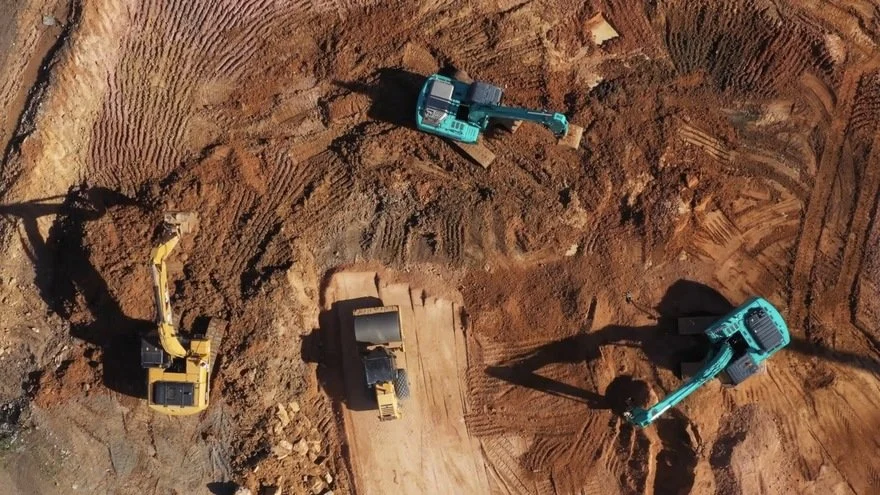
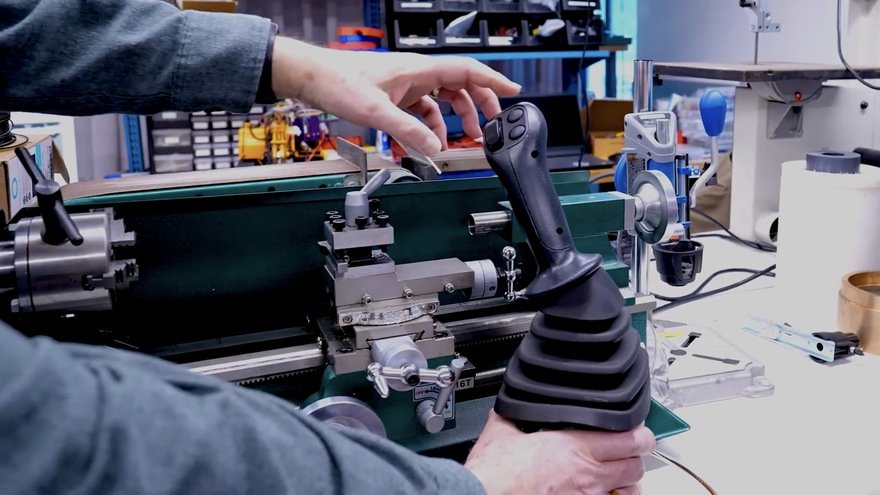
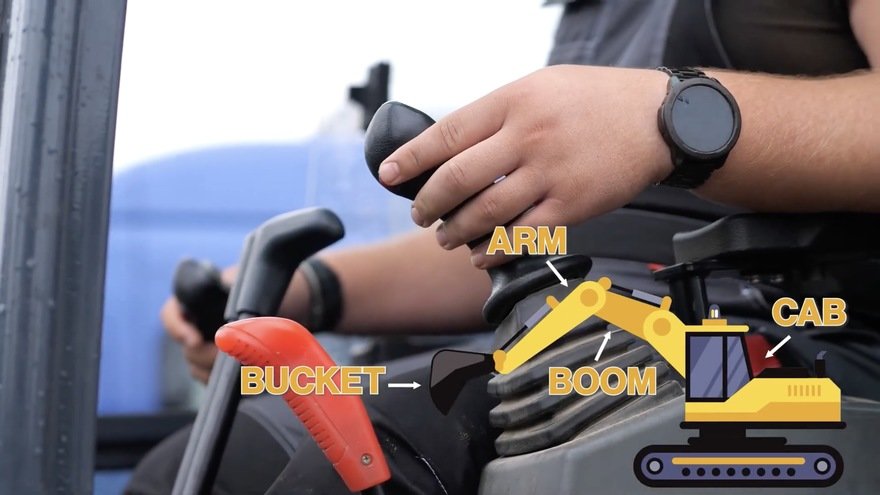
Operating a heavy-duty mini-excavator is a task that traditionally requires a high degree of motor-skill mastery. For the uninitiated, the cockpit of a standard excavator is a daunting landscape of levers and joysticks. With four distinct controllers governing the drive, rotation, boom, arm, and bucket articulation, the learning curve is notoriously steep. It is widely acknowledged in the construction industry that attaining true proficiency—the ability to maneuver the machine with grace and precision—often demands hundreds of hours of repetitive, grueling practice.
However, a groundbreaking collaboration between the Massachusetts Institute of Technology (MIT) and Japanese heavy equipment giant Sumitomo is poised to dismantle this barrier to entry. By rethinking the fundamental relationship between operator and machine, the team has developed a new user interface (UI) that allows novices to achieve expert-level performance with minimal training.
The Problem: The Cognitive Burden of Traditional Controls
To understand the magnitude of this innovation, one must first understand the design flaw inherent in modern construction equipment. Current excavators function based on a system of indirect control. The joystick does not move like a human arm; rather, it acts as a digital translator, sending signals to hydraulic systems that manipulate the machine’s various joints.
This requires the operator to build an elaborate "mental map." They must learn to decouple their natural spatial awareness from the machine’s physical response. When you want to move the bucket toward you, you aren’t simply pulling it; you are manipulating a joystick at a specific angle to trigger a sequence of hydraulic movements. This abstraction layer is the primary cause of the long, frustrating training process. It is a fundamental mismatch between human biomechanics and machine operation.
The Solution: The World-Space Interface (WSI)
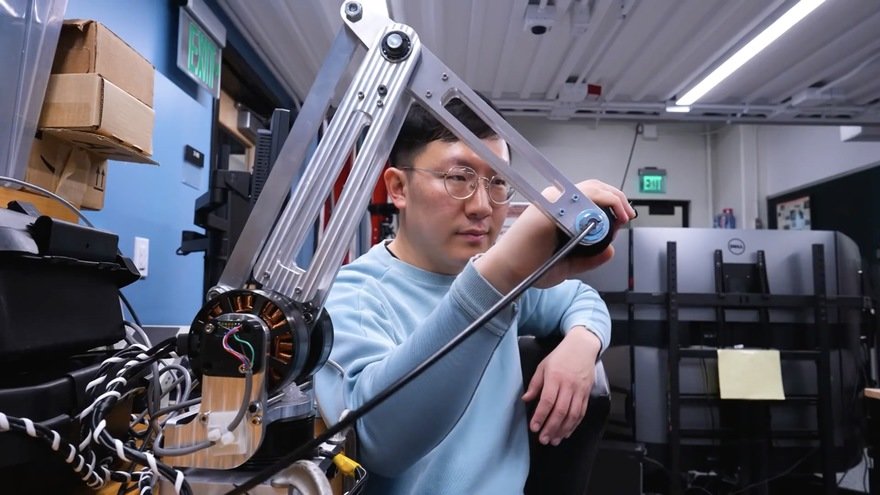
Recognizing that the traditional joystick is a relic of 20th-century engineering, researchers at MIT’s Department of Mechanical Engineering, led by Principal Research Scientist Hermano Krebs, sought a more organic approach. Working closely with engineers from Sumitomo, the team developed what they call the "World-Space Interface" (WSI).
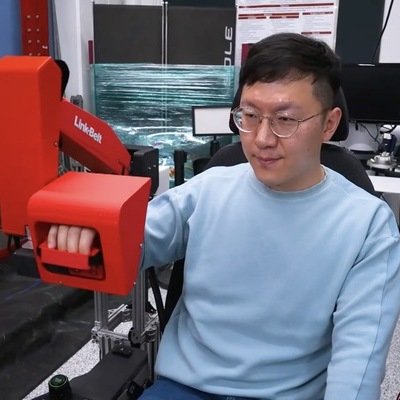
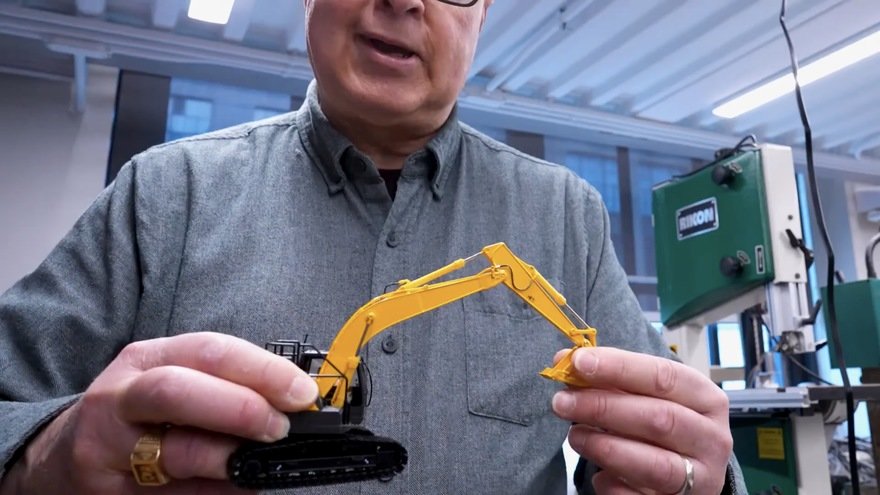
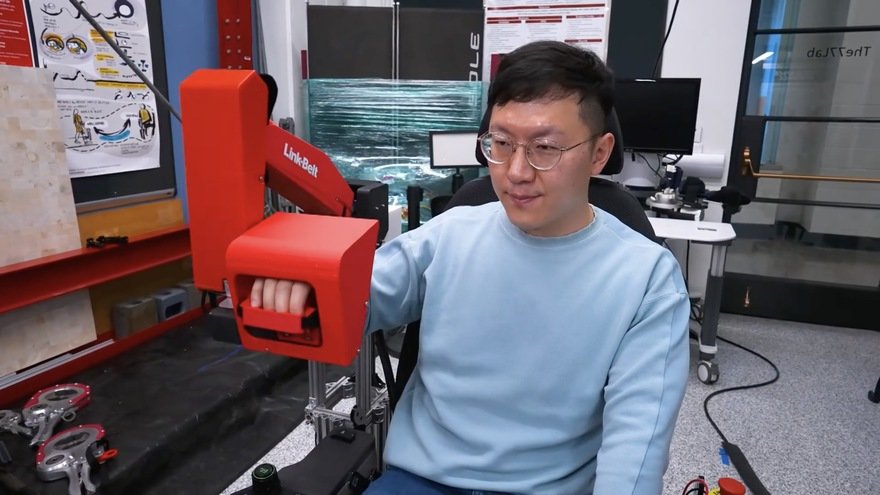
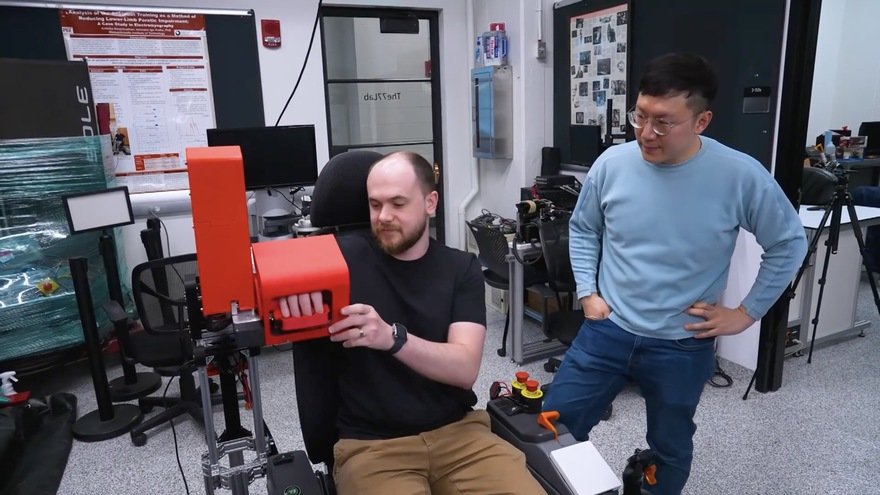
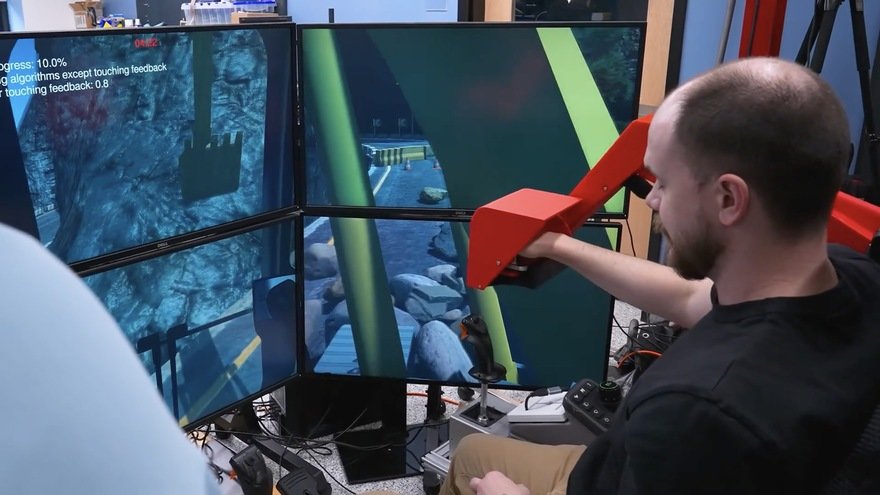
The WSI replaces abstract joystick inputs with a tangible, articulated metal arm equipped with a simple grab handle. The mechanism is designed to physically mimic the human arm’s range of motion. When the operator moves the handle, the excavator’s boom, arm, and bucket move in perfect synchronization with that gesture. The machine effectively becomes an extension of the operator’s own limb.
"This is a more intuitive way to command the machine," says Hermano Krebs. "With this new interface, we can eliminate a lot of the mental maps that an operator would need to build in order to operate an excavator."
By shifting from "commanding" the machine to "guiding" the machine, the WSI lowers the cognitive load on the operator, allowing them to focus on the task at hand rather than the mechanics of the controller.
A Chronology of Innovation
The genesis of this project was born of necessity. Japan, a nation currently grappling with a rapidly aging demographic, is facing a severe labor crisis in the construction sector. As veteran operators approach retirement age, the industry is struggling to recruit and train a younger generation fast enough to fill the void.
During early discussions between MIT researchers and their counterparts at Sumitomo, the conversation inevitably turned toward this "skills gap." Sumitomo identified that the time-to-competency for new hires was not just a training cost; it was a bottleneck that threatened the future of the company’s operations.
The collaboration followed a rigorous research path:
- Initial Conceptualization: The team moved away from joystick-based simulation and toward direct kinematic mapping.
- Prototyping: MIT engineers fabricated an articulated arm that could translate real-time physical movement into hydraulic commands.
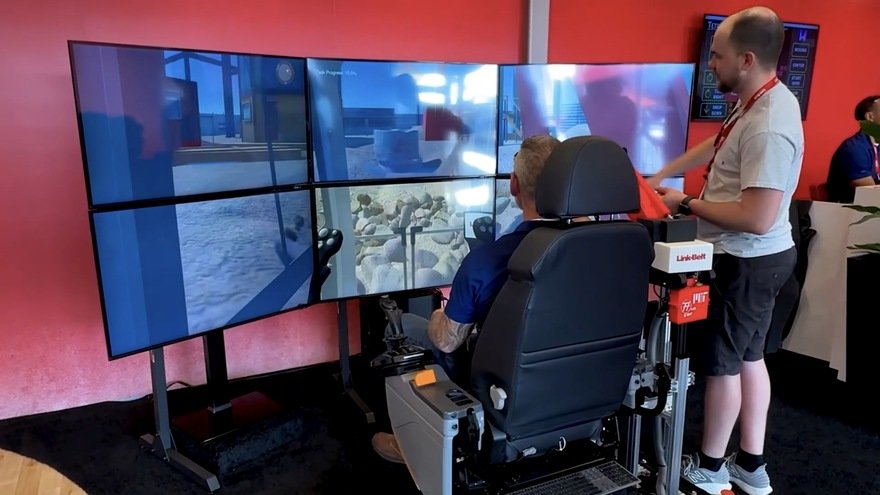
- Simulation Testing: The WSI was integrated into a simulated environment where new, inexperienced operators could be compared against seasoned professionals.
- Empirical Validation: The team conducted a seven-day study, with participants training for one hour daily on both traditional joysticks and the new WSI system.
Supporting Data: Performance Metrics
The results of the MIT-Sumitomo study were, by any measure, startling. In standard trials, novices using traditional joysticks consistently lagged behind expert operators, struggling with the coordination required to move the arm and bucket smoothly.
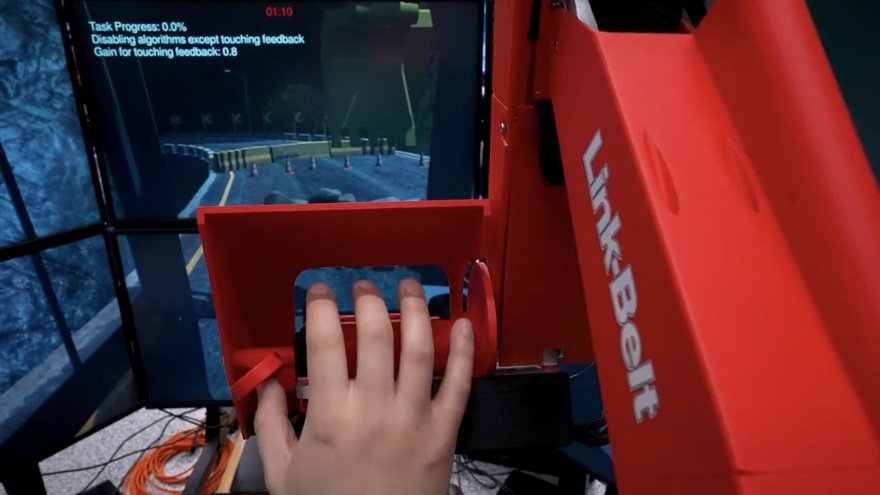
When those same novices switched to the WSI, the performance gap vanished. The data showed that within the short seven-day training window, the novices were performing at a level indistinguishable from that of seasoned experts. The WSI successfully bypassed the long-term "muscle memory" development that usually defines a professional excavator operator.
This suggests that the "skill" involved in operating an excavator is not necessarily a reflection of inherent talent, but rather a reflection of the machine’s interface. By lowering the barrier to entry, the WSI effectively democratizes the machine, allowing a broader pool of workers to perform complex construction tasks safely and efficiently.
Official Responses and Engineering Philosophy
The reception from the engineering community has been one of cautious optimism. By aligning technology with human biology, the WSI represents a shift in UI philosophy known as "natural user interface" (NUI) design.
"We are moving from a world where humans must adapt to machines to a world where machines adapt to humans," noted one project lead. The collaboration has highlighted that industrial design in the construction sector has historically prioritized mechanical durability over ergonomic accessibility. The WSI project demonstrates that these two goals are not mutually exclusive.
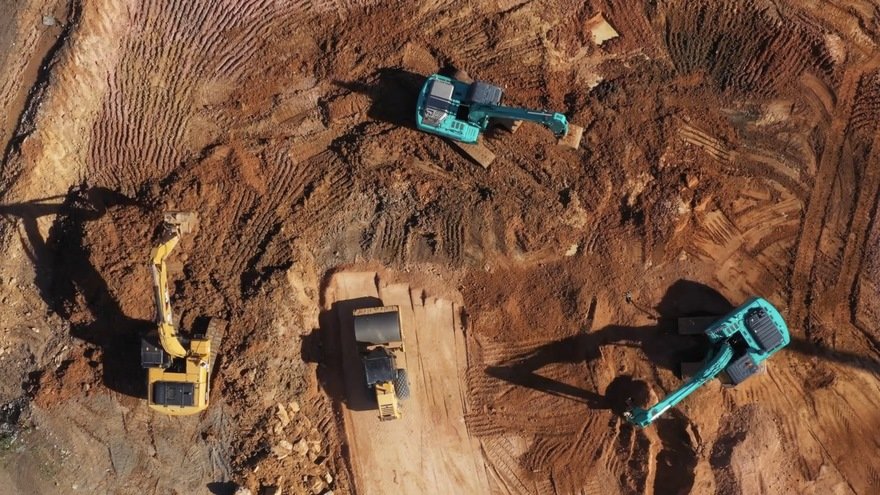
Sumitomo has expressed interest in integrating the WSI technology into their future product lines. While the current setup is a research prototype, the potential for mass production exists, provided the hardware can be ruggedized for the harsh environments of active construction sites.
Future Implications: The Road Ahead
The implications of this technology extend far beyond the construction site.
1. Addressing the Labor Crisis
The most immediate impact will be in industries with high turnover or aging workforces. By drastically shortening the training period, companies can increase their talent pool and ensure that projects are not delayed by a lack of qualified personnel.
2. The Rise of Haptics
The research team is already looking toward the next phase of development: haptic feedback. While the WSI provides visual and kinesthetic correspondence, it currently lacks the "feel" of a real-world machine—the resistance of soil against a bucket, or the subtle vibrations of a hydraulic shift. Adding haptic feedback will allow operators to "feel" the environment through the handle, further increasing precision and safety.
3. Remote Operation and Telepresence
The WSI has massive potential for remote operation. If the interface can be transmitted over a network, an operator in Tokyo could theoretically control an excavator in a remote rural area or even a hazardous environment (such as a disaster zone or a radiation-contaminated site) with the same ease as if they were sitting in the cab.
4. Broader Industrial Applications
The logic of the WSI can be applied to a variety of heavy machinery, including cranes, logging equipment, and even surgical robotics. Wherever a human must manipulate a complex, remote physical object, the principles of the World-Space Interface offer a path toward more efficient, inclusive, and intuitive design.
Conclusion
The collaboration between MIT and Sumitomo is a testament to the power of human-centric design. By identifying the root cause of the "skill gap"—an outdated and unintuitive control scheme—the team has not only solved a localized engineering problem but has also proposed a new paradigm for how we interact with the machines that build our world.
As the construction industry continues to modernize, the WSI serves as a reminder that the most advanced technology is often the kind that feels entirely natural. In the coming years, we may look back at this innovation as the moment when the "steep learning curve" of heavy machinery finally began to flatten, ushering in a new era of accessibility and operational excellence.
About the Author