In the world of industrial design, the intersection of two planes is often the ultimate test of a designer’s prowess. It is where the elegance of a concept meets the harsh reality of geometry. For decades, the tiling industry has been dominated by the limitations of the flat square—a two-dimensional solution applied to a three-dimensional world, resulting in awkward grout lines, exposed edges, and the visual monotony of linear surfaces.
Enter DTILE, a Dutch-based design collective that has fundamentally reimagined the architectural potential of the humble tile. Founded by industrial designers Arnout Visser, Erik Jan Kwakkel, and Peter van der Jagt, the company has moved past the limitations of traditional ceramics, creating a comprehensive system of curved, corner, and functional tiles that allow surfaces to flow, wrap, and integrate with the physical environment.
The Core Concept: Redefining the Intersection
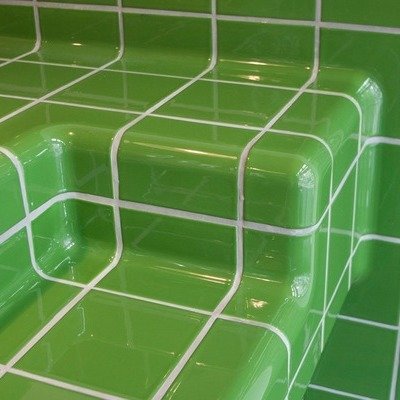
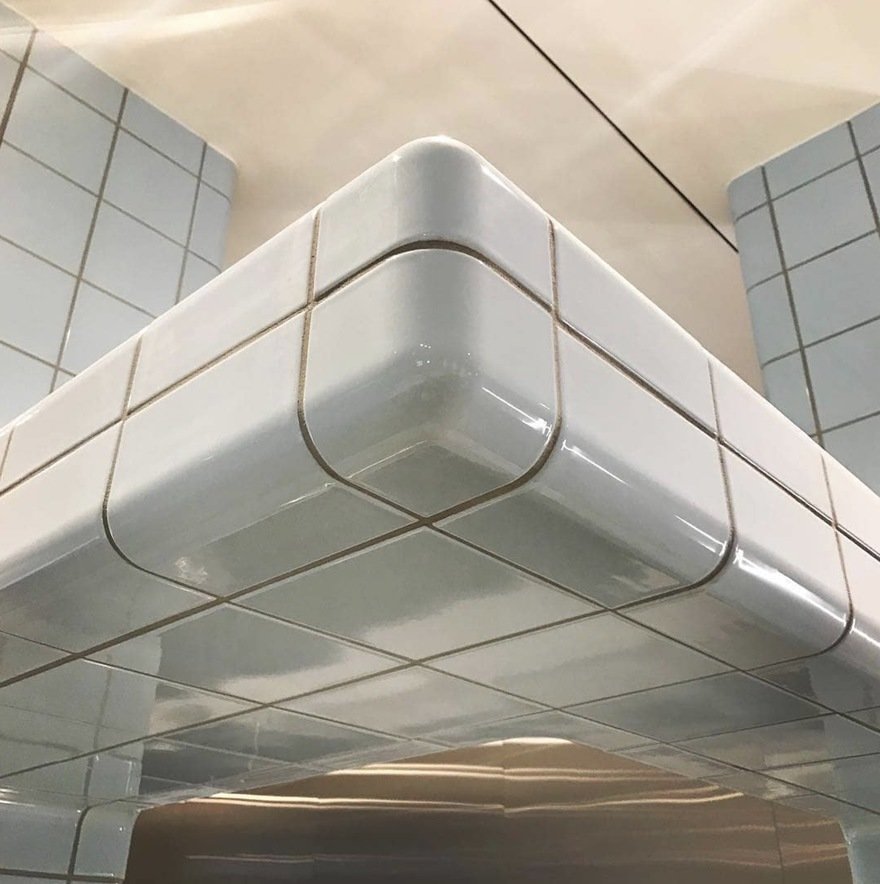
At its heart, the DTILE system is a rejection of the "flat surface" dogma. In traditional tiling, the "edge" is an afterthought—often solved by unsightly plastic profiles or metal strips. The DTILE philosophy treats the transition as a design opportunity.
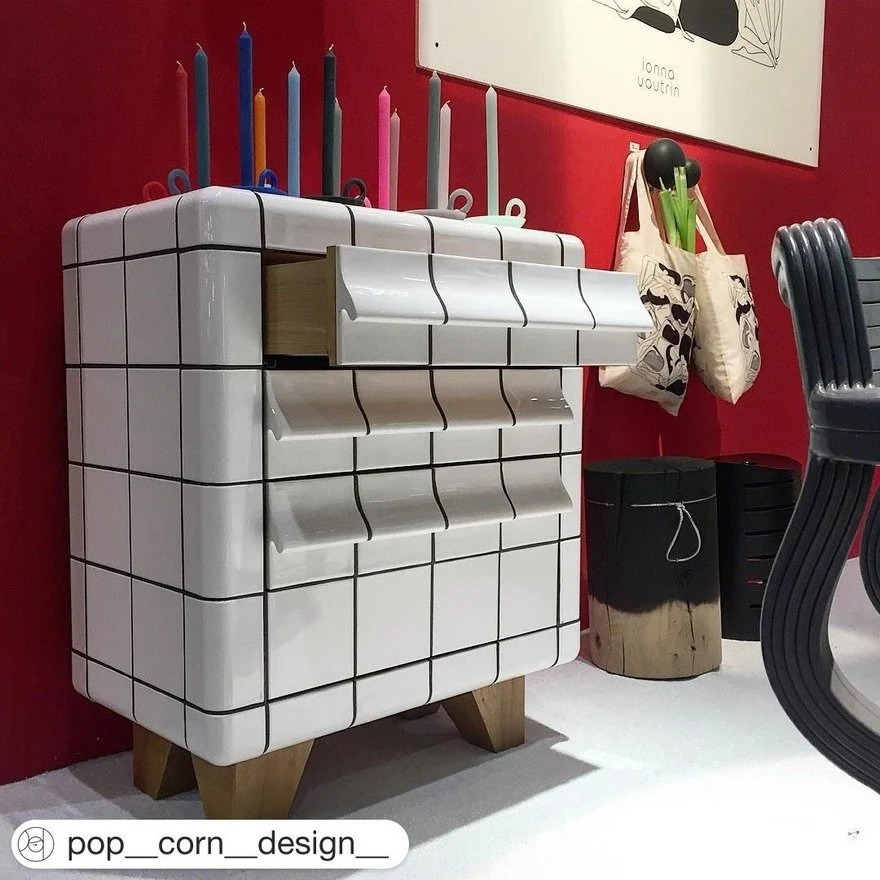
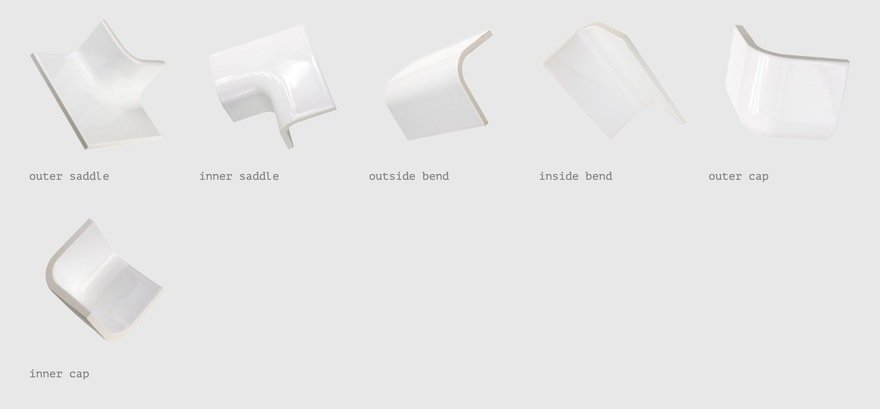
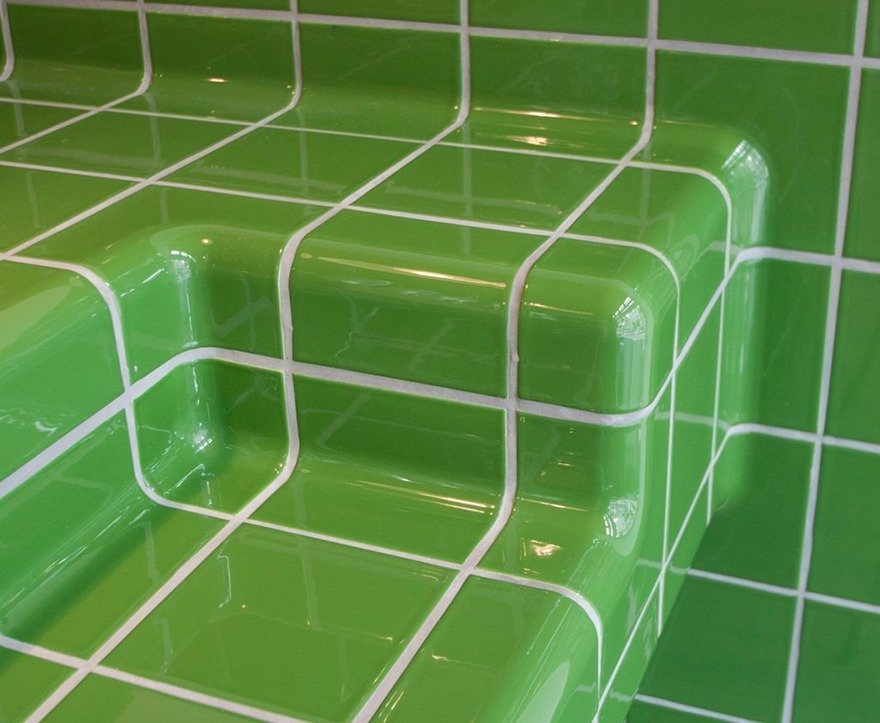
The trio’s system includes an extensive library of specialized pieces: rounded corners, soft-edge transitions, and organic curves. These components allow a tiled surface to "bend" around corners or flow into furniture-like structures. By standardizing the geometry of these transitions, the team has turned tiling into a modular construction system rather than a mere decorative finish.
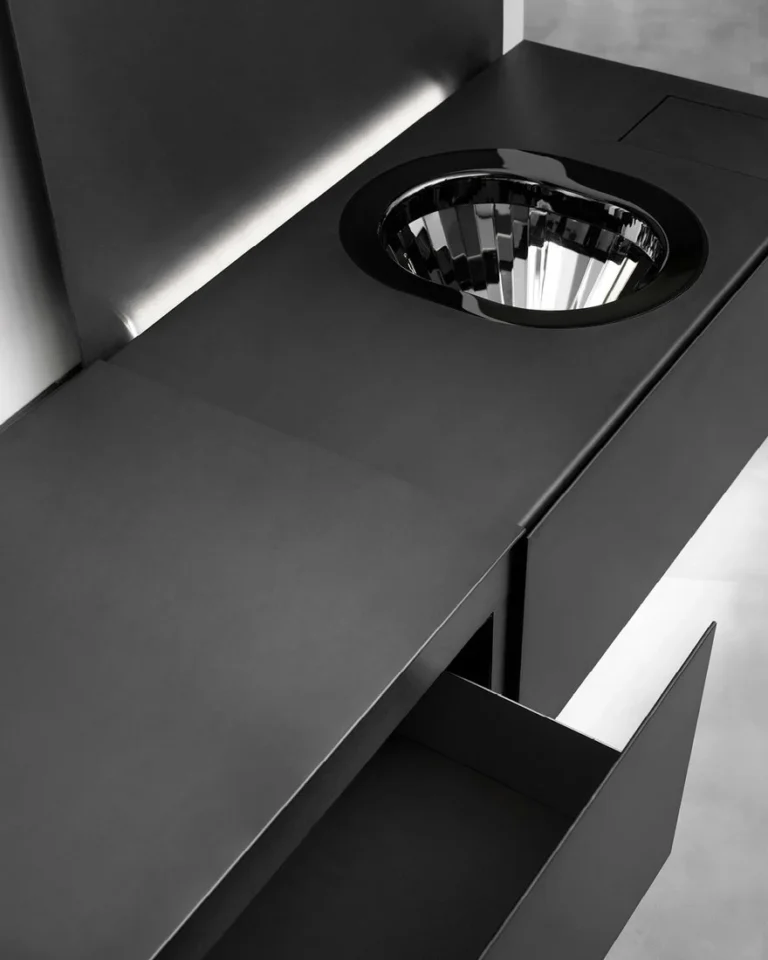
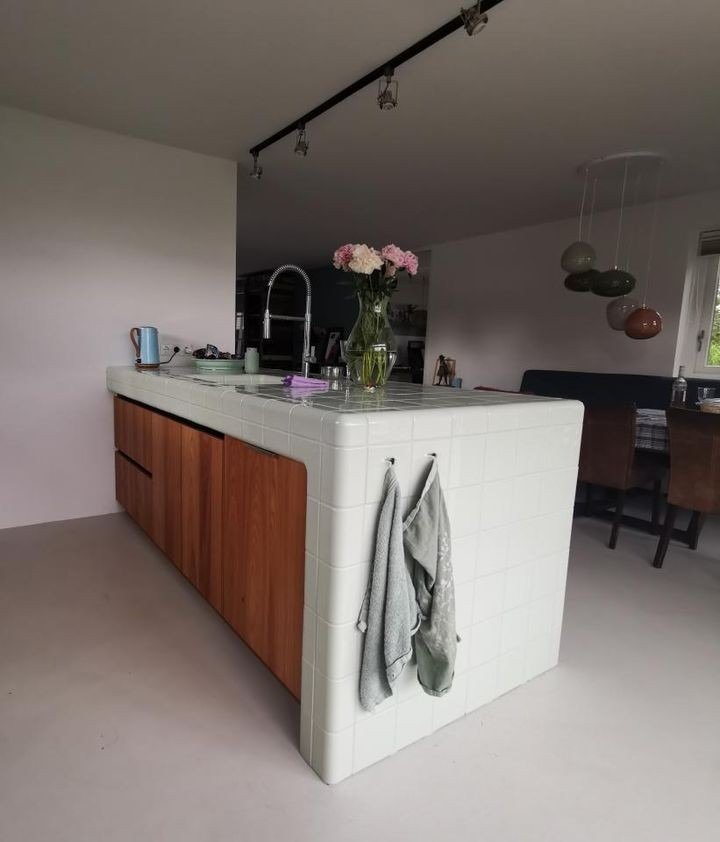
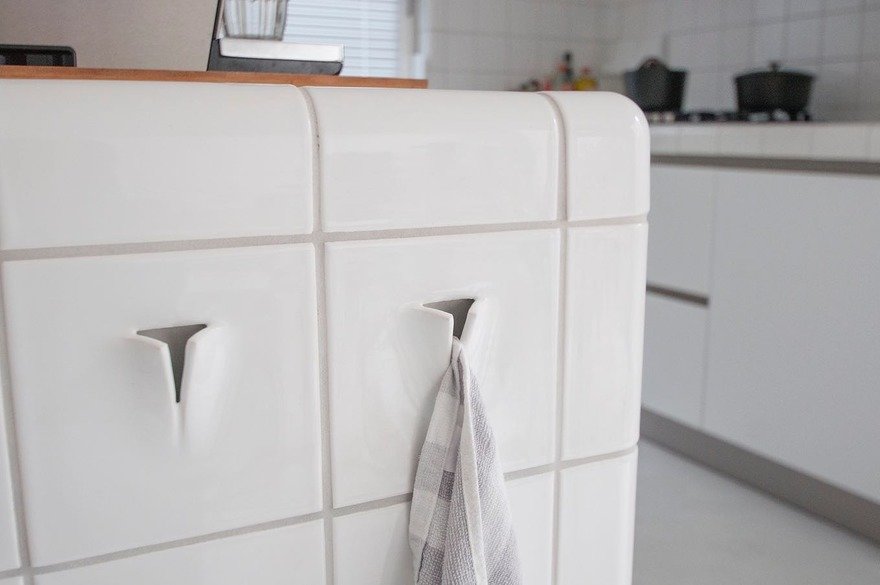
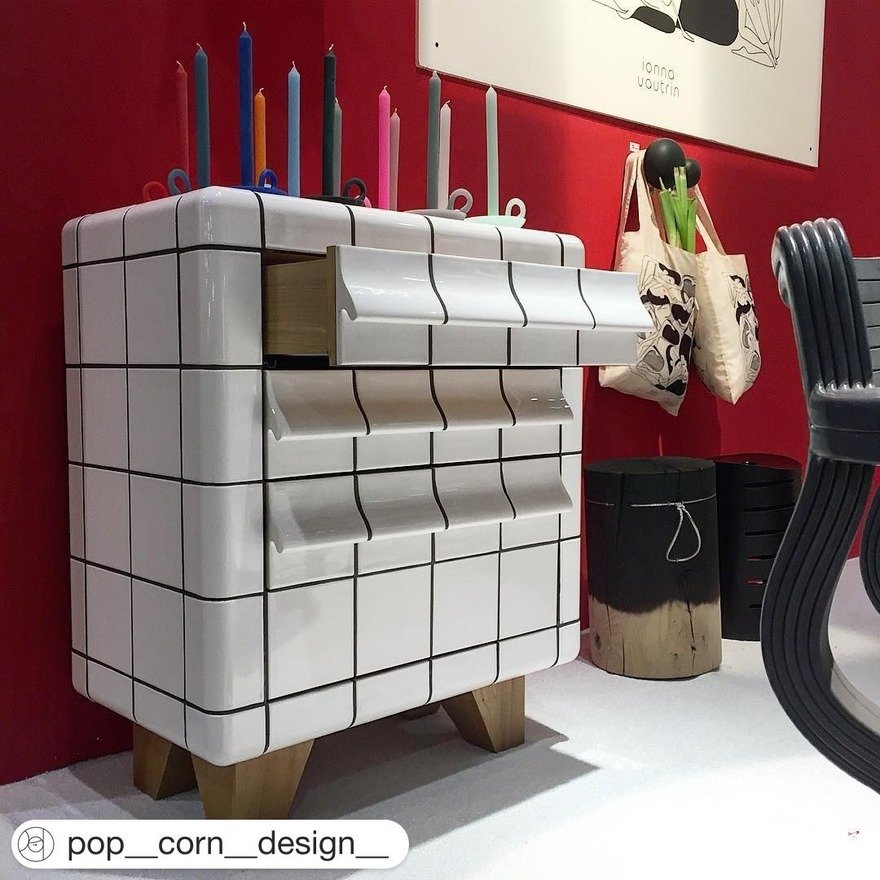
Beyond the aesthetic fluidity, the system is inherently functional. DTILE manufactures "utility tiles"—integrated modules that allow for the seamless incorporation of hooks, vents, electrical outlets, shelves, and even drawer hardware directly into the tiled surface. The result is a monolithic, clean, and highly sophisticated aesthetic where the infrastructure of a room disappears into the skin of the architecture.
A Chronology of Innovation: From Concept to Global Standard
The journey of DTILE is a testament to the power of persistence in industrial design. The project did not emerge overnight; it was the product of over a decade of iterative research and development.
The 1990s: The Conceptual Genesis
The seeds of DTILE were sown in the late 1990s. While working in the Netherlands, Visser, Kwakkel, and van der Jagt began exploring the intersection of industrial design and architecture. They were dissatisfied with the "boxiness" of contemporary interior spaces. Their initial sketches focused on how to make tiles behave like a continuous skin—an "intelligent" surface that could adapt to the human body and the complexities of room corners.
2010: Formal Launch and In-House Manufacturing
After years of refining the geometric tolerances and manufacturing processes required to produce consistent curved tiles, the trio officially launched the DTILE brand in 2010. Crucially, they opted for in-house manufacturing. By maintaining control over their production line, they ensured that the critical radii of their curved pieces were perfectly compatible with their flat counterparts, a feat that would have been difficult to achieve through outsourced mass production.
2010–Present: Scaling and Global Adoption
Following their launch, the system quickly gained traction among European architects and avant-garde interior designers. What started as a local Dutch project blossomed into a global enterprise. Today, DTILE products are distributed in over 50 countries, appearing in high-end kitchens, public spaces, and experimental residential projects that demand a departure from the "tiled box" aesthetic.
Supporting Data and Technical Architecture
The success of the DTILE system is not merely aesthetic; it is rooted in strict mathematical modularity. Every piece in the DTILE catalog is designed to fit a standard grid, ensuring that the complex, curved geometries can be installed by skilled professionals using traditional techniques.
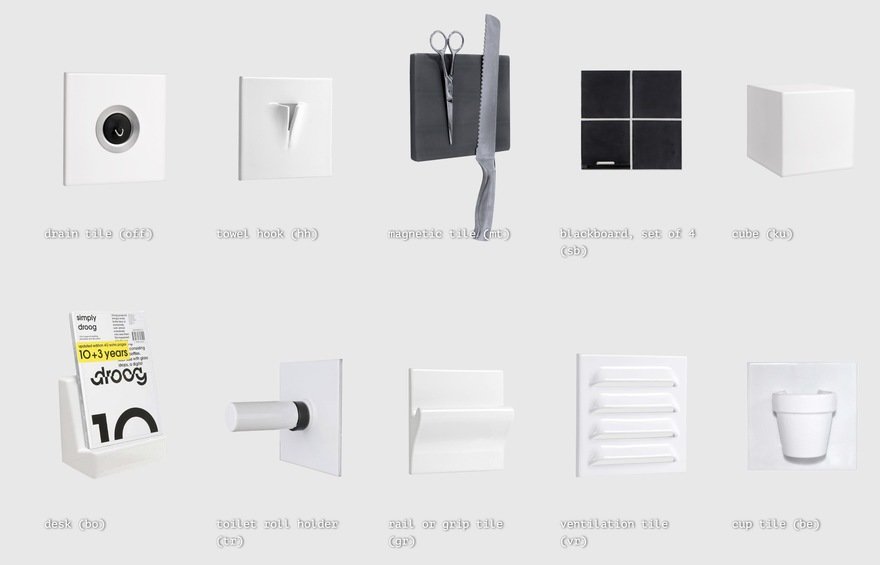
- Geometric Modularity: The system uses a specific set of radius-based pieces. Whether a designer is creating a 90-degree corner, a concave curve, or a convex wrap, the system ensures that grout lines remain consistent throughout the entire structure.
- Manufacturing Standards: By producing their own specialized shapes, DTILE maintains a high degree of dimensional accuracy. This is essential for "utility tiles," where an electrical outlet or a shelf bracket must align perfectly with the tiled substrate to ensure safety and structural integrity.
- Material Versatility: While the aesthetic is uniform, the system is engineered to handle various ceramic finishes, allowing it to satisfy both the durability requirements of a commercial kitchen and the high-design needs of a luxury bathroom.
Official Perspectives: The Philosophy of the Trio
The designers behind DTILE have frequently spoken about the "tyranny of the straight line." In various design forums, they have argued that modern architecture has become overly reliant on flat, static surfaces. By introducing curves and integrated utility, they aim to bring a more "organic" feel back to the interior.
"We wanted to make a system that doesn’t just cover a wall," the collective has noted in previous interviews. "We wanted to make a system that becomes the room." By integrating the furniture into the walls, they effectively eliminate the visual clutter of detached objects, creating a sense of calm and cohesion that is difficult to replicate with traditional joinery or standard tiling.

Their focus on the "transition" is a direct nod to their ID school training. They contend that the mark of a well-designed space is not found in the large, flat areas, but in the corners and joints—the points where the user interacts with the architecture. By perfecting these joints, DTILE elevates the entire experience of a room.
Implications for Modern Architecture and Interior Design
The adoption of the DTILE system has significant implications for how architects approach interior design, particularly in tight or complex spaces.
The End of "Dead Space"
In small apartments or cramped commercial kitchens, the need for separate shelving, wall-mounted hooks, and outlet boxes creates visual noise. DTILE’s integrated system allows architects to build storage and infrastructure directly into the wall. This leads to cleaner, more efficient spaces that feel larger than they actually are.
A New Aesthetic Language
We are currently seeing a shift away from the "minimalism" of the 2010s, which often felt cold and sterile, toward a more "warm minimalism." DTILE fits perfectly into this movement. Its ability to create soft, rounded edges replaces the sharp, dangerous-looking corners of traditional tiled surfaces with smooth, tactile transitions. This creates a more inviting, human-centric environment.
Sustainability and Longevity
By choosing to manufacture their own tiles and focusing on a system that is meant to be permanent, DTILE promotes a model of "slow architecture." These are not disposable trends; they are foundational design elements. A bathroom or kitchen tiled with DTILE is designed to last for decades, reducing the need for renovation and material waste.
Challenging the Construction Industry
The biggest hurdle for DTILE remains the education of the labor force. Because the system requires a deeper understanding of geometry than traditional "lay-flat" tiling, it pushes contractors to refine their craft. This elevation of trade skills is an unintentional but positive byproduct of the company’s innovation. As more architects specify DTILE, the demand for high-level craftsmanship in tile installation increases, effectively raising the bar for the entire industry.
Conclusion: Shaping the Future of Surfaces
The DTILE system is more than just a product; it is a fundamental shift in how we perceive the boundaries of our living spaces. By successfully bridging the gap between industrial design and architectural finishing, Arnout Visser, Erik Jan Kwakkel, and Peter van der Jagt have solved a problem that has plagued builders since the first ceramic was fired.
Whether it is a curved vanity that seems to grow out of the bathroom wall or a kitchen island that incorporates drawers into a seamless ceramic shell, DTILE demonstrates that when designers pay attention to the "transitions," the possibilities for three-dimensional space are nearly limitless. As the company continues to expand into new markets, their influence on interior architecture will likely grow, encouraging a new generation of designers to move beyond the flat, square, and predictable.
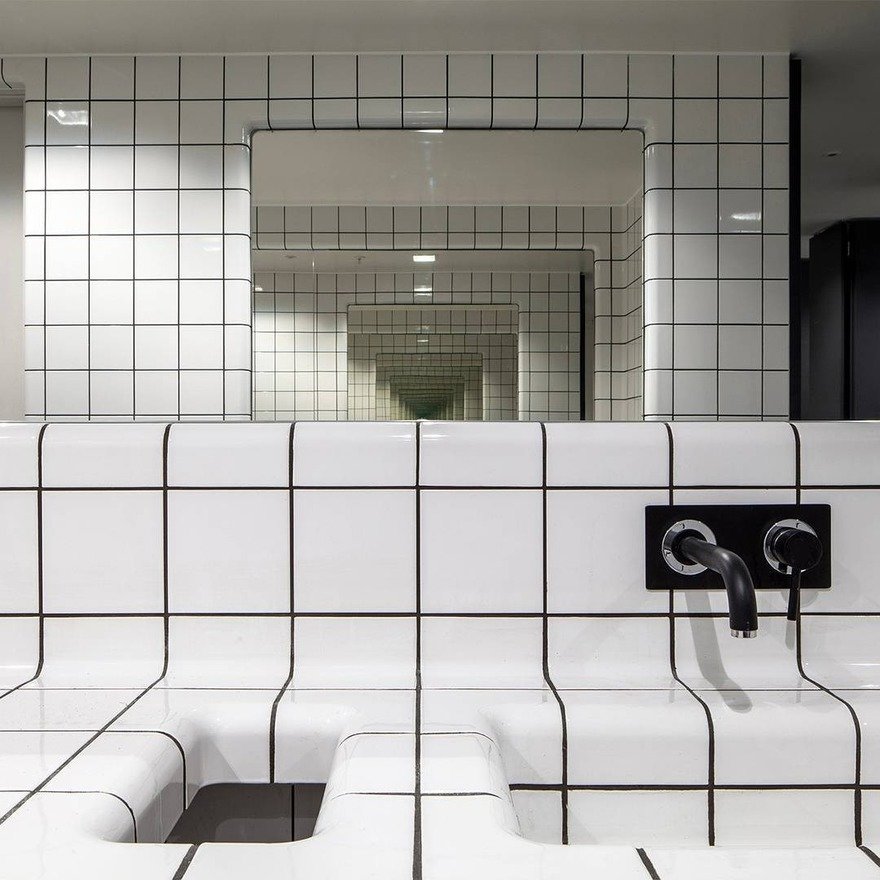
In a world of pre-fabricated, modular living, DTILE stands out as a triumph of intelligent, user-focused design—proving that sometimes, the most revolutionary innovation is not a new material, but a new way of looking at the corners of our world.
About the Author