This article was originally published by In-plant Impressions. To stay informed on the latest trends in the industry, subscribe to their newsletter, IPI E-News.
The landscape of in-plant printing is undergoing a significant transformation. As traditional document production faces the pressures of digital migration, internal print shops are pivoting toward high-margin, wide-format opportunities. At the forefront of this shift is flatbed printing, which has emerged as the fastest-growing service category within the in-plant sector. According to recent research from IPI, the adoption rate of flatbed technology has surged from 29% in 2024 to 45% today—a meteoric rise that underscores a fundamental shift in how organizations perceive their internal printing capabilities.
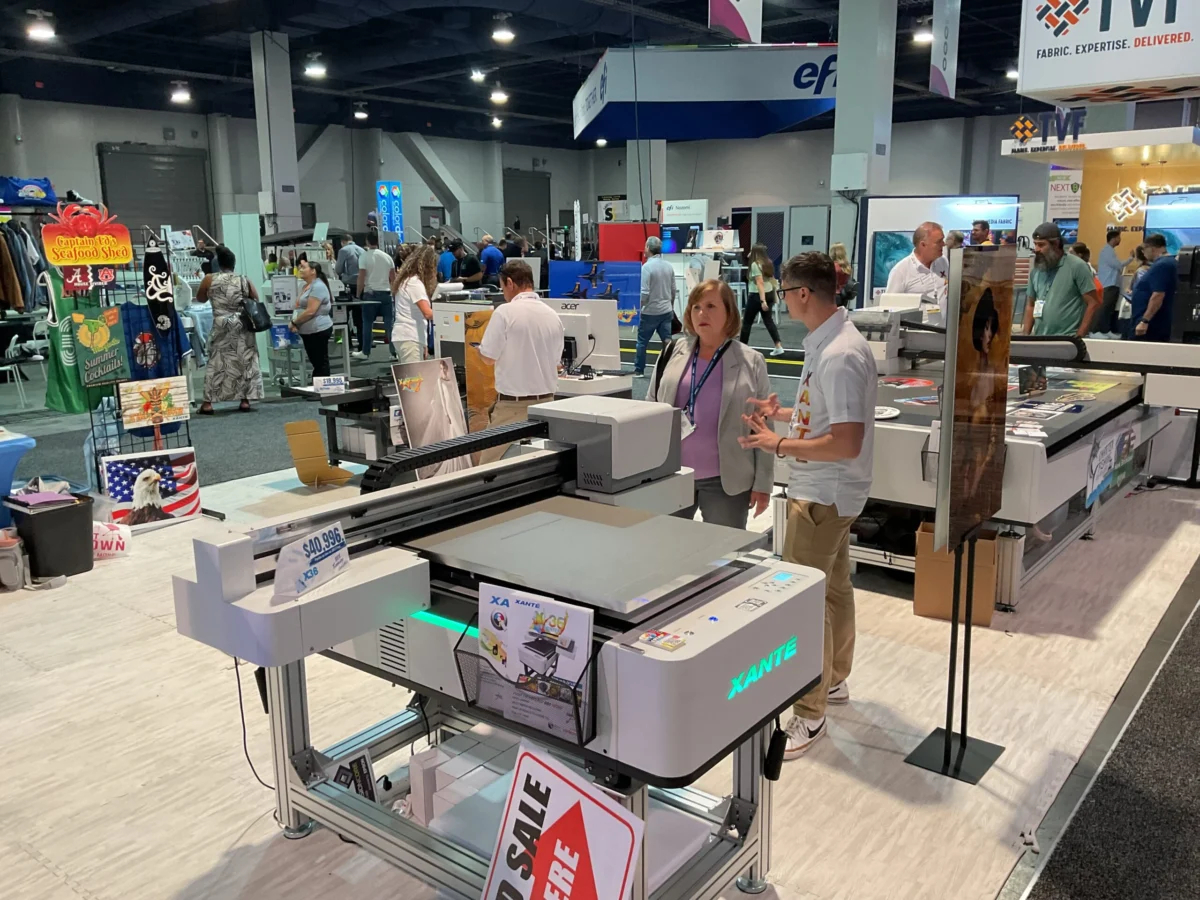
As industry professionals prepare for the upcoming PRINTING United Expo in Las Vegas (September 23–25), the pressure to choose the right equipment has never been higher. With the market flooded with high-performance machines, the task of selecting a system that balances ROI, technical capability, and long-term viability is daunting.
The Strategic Imperative: Why In-Plants Are Investing
The shift toward flatbed printing is not merely a trend; it is a strategic response to the demand for diverse, high-impact visual communication. From ADA-compliant signage to custom point-of-purchase displays and promotional items, in-plants are increasingly tasked with producing work that was previously outsourced.
Nathan Thole, director of Iowa State University Printing Services, notes that the decision to integrate a Canon Arizona 2280 GT flatbed printer was a turning point for his department. "Quality is rarely a concern anymore," Thole explains, "so don’t get dazzled by the pretty samples. When we evaluated our path forward, we looked at the total picture: ROI, industry trends, and specific production capabilities."
For Iowa State, the motivation was clear: the need for ADA-compliant signage. This specialized requirement allowed the team to justify a sole-source procurement, proving that when an in-plant can tie technology to a specific, high-value institutional need, the business case becomes ironclad.
Chronology of an Acquisition: From Research to Implementation
The acquisition process for high-end wide-format equipment is a journey that often spans several months of rigorous evaluation.
Phase 1: Identifying the Gap
The process begins internally. For the World Bank Group’s Printing & Multimedia Services, the acquisition of an Epson V7000 flatbed UV printer was driven by capacity and feature-set limitations. While the team already operated a 65-inch EFI Pro16H hybrid UV press, they required a dedicated flatbed to handle boards up to 48×96 inches.
Phase 2: The Role of the Expo
The PRINTING United Expo serves as the critical "proving ground" for these investments. For the World Bank team, the Expo provided a unique advantage: the ability to compare machines side-by-side. As Wes Troup, Business Solutions Associate for the World Bank, points out, the proximity of various vendors at the show allows managers to evaluate physical footprints, user interfaces, and maintenance accessibility in real-time.
Phase 3: Due Diligence and Vendor Vetting
Once the shortlist is established, the focus shifts to technical interrogation. Successful managers do not rely on show-floor marketing; they look at the "fine print" of the machine’s life cycle. This involves asking hard questions about ink durability, ventilation requirements, and the long-term support roadmap for the specific model.
Supporting Data: By the Numbers
The surge in flatbed adoption is supported by a clear trend in in-plant diversification.

- Adoption Growth: 16 percentage-point increase in flatbed ownership over the last year.
- Decision Drivers: 85% of surveyed managers prioritize "Ease of use and maintenance" alongside "Color accuracy."
- Market Expansion: 70% of in-plants report that adding wide-format capabilities has led to a measurable increase in internal client retention.
These figures suggest that flatbed printers are no longer "niche" assets but are becoming standard infrastructure for modern, forward-thinking in-plant operations.
Official Perspectives: Expert Advice on Equipment Selection
When speaking with those who have navigated the procurement process, a common theme emerges: avoid the "shiny object" syndrome.
The "Apples-to-Apples" Comparison
To ensure a fair comparison, experts recommend developing a standardized list of questions before attending the Expo. Thole suggests asking vendors:
- True Throughput: "What are the actual print speeds in production-grade modes, not just the fastest ‘draft’ settings?"
- Media Versatility: "Are there limitations to the substrates I can run, and what is the maximum media thickness?"
- Support Infrastructure: "What does the service response look like for my specific geography? How long has this model been on the market, and is it reaching end-of-life?"
The File Testing Debate
One of the most contentious issues among print managers is whether to bring personal files to the show floor. There are two distinct schools of thought:
- The "Controlled Test" Advocate: Troup recommends pre-arranging a private demo. By contacting a representative before the show, you can provide your files and substrates in advance, ensuring the vendor is prepared to demonstrate the machine’s capabilities using your specific production challenges.
- The "Live Performance" Advocate: Broadfoot argues for bringing files to the floor. Seeing how a machine handles un-tweaked files in a high-pressure, live environment can reveal how the software and hardware handle real-world workflow variables.
Implications for the Future
The growth of flatbed printing is fundamentally changing the role of the in-plant manager. No longer just a supervisor of traditional offset or digital presses, the modern manager must now be a specialist in material science, color management, and wide-format finishing.
The Shift to "Value-Added" Production
As Adam Broadfoot of the World Bank notes, the ability to add spot and gloss varnishes provides a level of sophistication that elevates the in-plant’s status within the organization. "This printer will allow us to create jigs on our Colex and UV print more items at once than our current capacity," Broadfoot says. "It’s about moving beyond simple printing into the realm of custom manufacturing."
Future-Proofing the In-Plant
Managers must also consider the "upgradability" of their potential machines. As in-plant product lines explode—ranging from retail-style signage to intricate promotional items—the equipment purchased today must be able to evolve. Before signing a purchase agreement, managers should ask if the hardware can accommodate future software updates, additional ink channels, or automated loading systems.
Conclusion: A Roadmap for the Expo Floor
As you prepare for the PRINTING United Expo, remember that your goal is not to find the "best" printer in the world, but to find the best printer for your specific shop.
- Audit your pain points: Write down exactly what you cannot produce today that you are being asked to produce.
- Standardize your criteria: Use a rubric to score vendors on support, speed, quality, and total cost of ownership.
- Engage the ecosystem: Use the Expo to meet not just the OEMs, but also the distributors and service providers who will be your partners for the next five to seven years.
The rise of the flatbed is a testament to the resilience and adaptability of the in-plant model. By approaching the upcoming Expo with a clear, research-backed strategy, managers can ensure their department remains a vital, high-value asset to their parent organizations for years to come.
For more information on the latest industry events and to begin your equipment research, visit PRINTING United Expo and mark your calendars for September 23–25.
About the Author