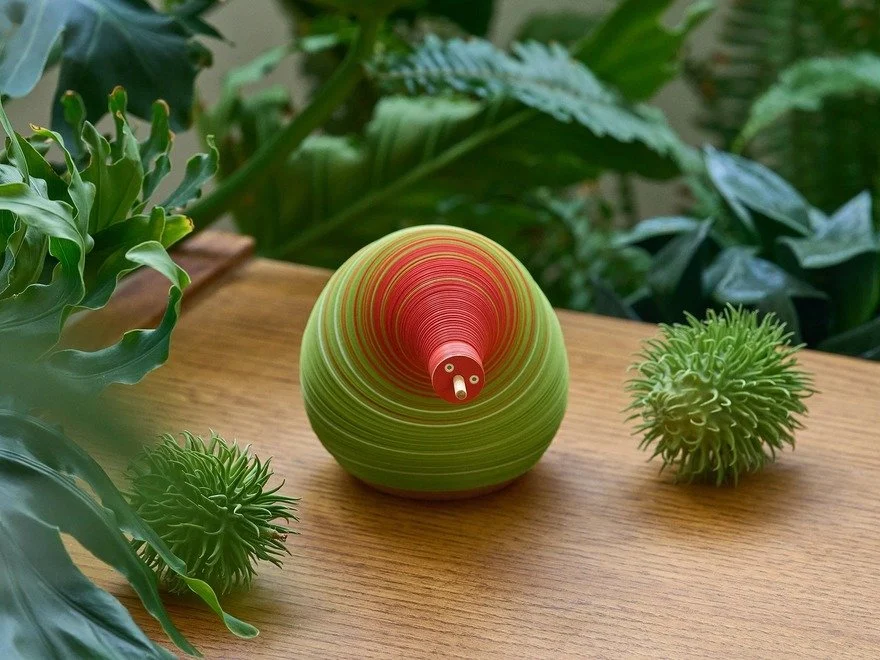
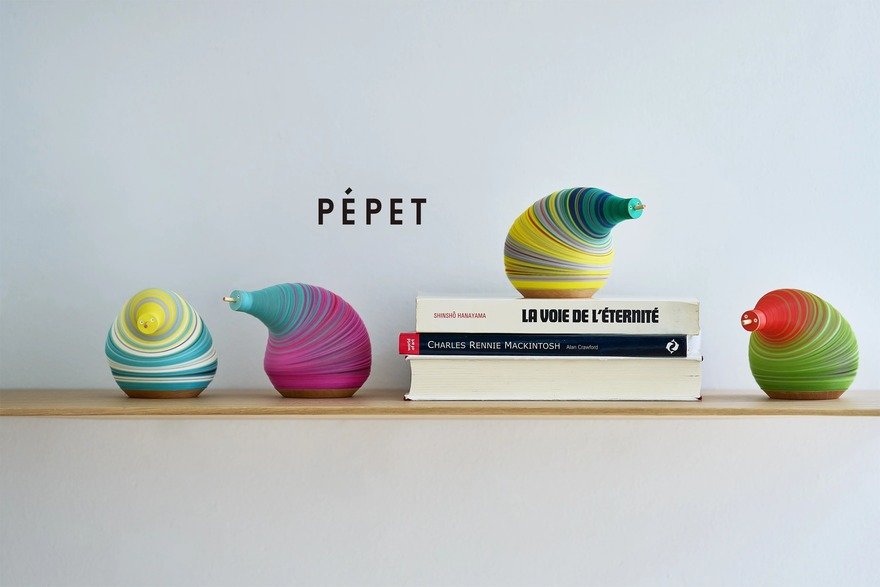
In the intersection of traditional Japanese paper craftsmanship and modern kinetic design, a new breed of companion has emerged. Known as "PÉPET," these intricate, palm-sized creations by designer Masae Nagao are redefining the boundaries between stationary objects and living creatures. More than mere origami or papercraft, PÉPET represents a sophisticated engineering feat that utilizes the physical properties of paper to mimic the organic, fluid motions of a living animal. Produced in collaboration with the venerable Japanese paper manufacturer Takeo Paper, these kinetic pets are currently captivating the design world, proving that even the simplest medium, when treated with mathematical precision, can possess a soul.
The Genesis of PÉPET: Main Facts and Design Philosophy
At its core, PÉPET is an exercise in structural complexity disguised as minimalist whimsy. Created by designer Masae Nagao, the project emerged from a desire to explore the tactile potential of paper beyond its traditional role as a canvas.
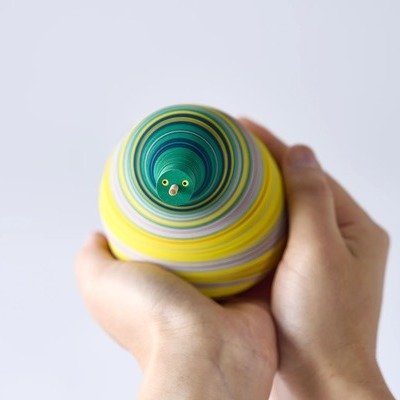
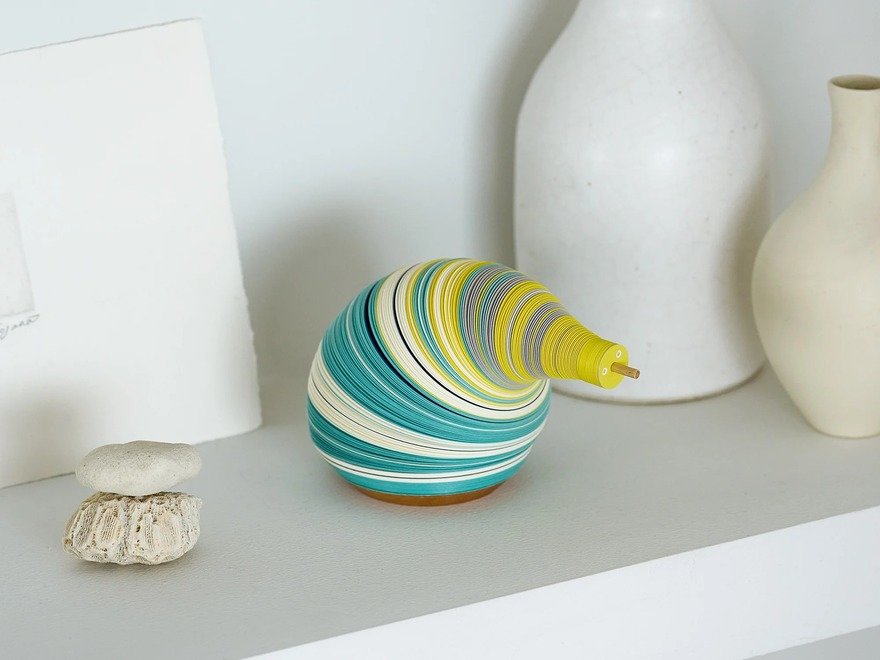
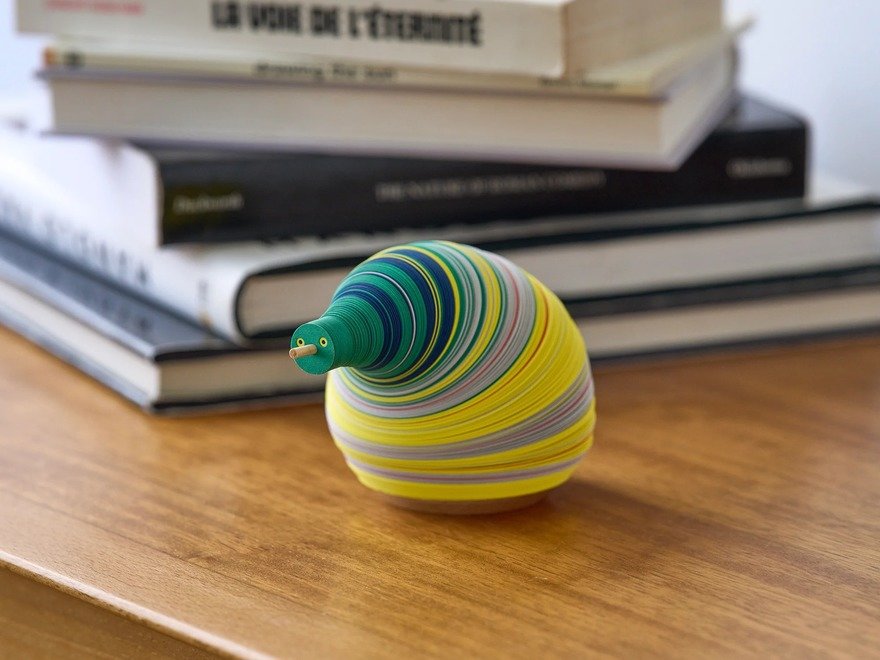
The physical construction of each PÉPET is nothing short of laborious. Each unit is composed of over 400 individual paper circles, meticulously die-cut in varying diameters. These circles are layered in an alternating fashion, a technique that Nagao discovered creates an inherent structural flexibility. By stacking these discs with precise offsets, the paper gains the ability to "slither" and undulate when pressure is applied.
Nagao’s design philosophy is rooted in the concept of "tactile responsiveness." She describes the experience of interacting with a PÉPET as strikingly organic: "If you stroke it, it moves flexibly on your palm like a little pet." The movement is not mechanical; it is a soft, sinuous motion that responds to the warmth and touch of the user’s hand. This is achieved through the tension created between the layers of paper—when the pet is resting, the circles are static, but when the user’s hand provides a rhythmic motion, the structure ripples in a way that feels uncannily alive.
A Chronology of Innovation: From Concept to Takeo Paper
The development of PÉPET did not occur in a vacuum; it is the culmination of years of material experimentation by Masae Nagao and the material science expertise of Takeo Paper.
- Early Conceptualization: Nagao began exploring the geometric properties of layered discs, seeking a form that could maximize both visual depth and kinetic range. Her early prototypes focused on the "pear-like" silhouette that would eventually become the signature shape of the product.
- Material Selection: The search for the perfect paper was exhaustive. The design required a substrate that was dense enough to hold its shape but soft enough to allow for seamless, fluid movement. The choice fell on "NT Rasha," a premium fine paper celebrated for its soft texture and durability.
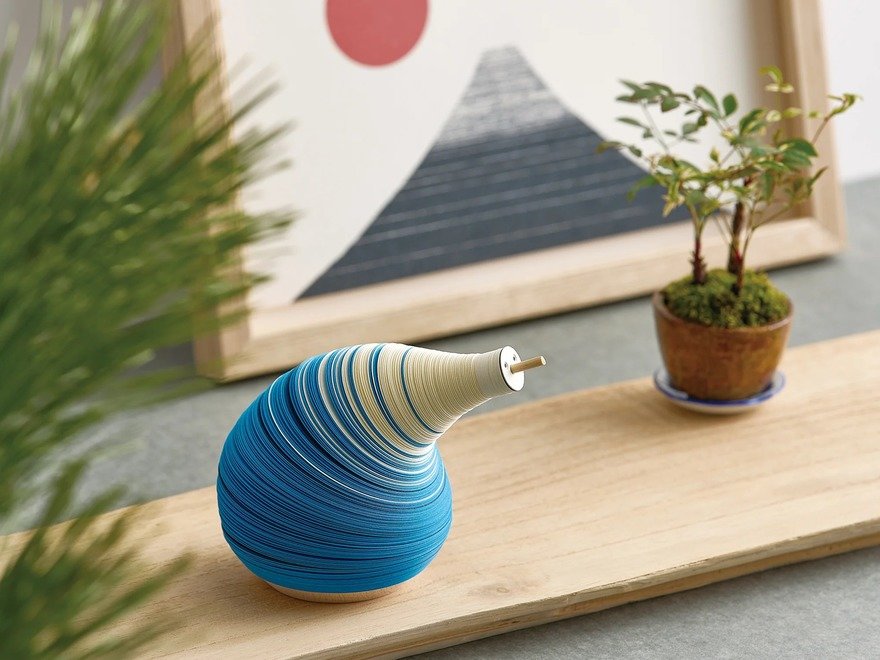
- Refinement of the 120-Color Palette: Recognizing that the visual appeal of PÉPET relied heavily on the "cross-sections"—the spaces between the paper layers—Nagao collaborated with Takeo to curate a selection of 120 colors. By alternating these colors, she created a visual rhythm that highlights the shadows and depth of the pet as it moves.
- Industrial Production: The transition from a bespoke art piece to a manufactured product involved developing specialized die-cutting processes to ensure the consistency of the 400+ circles required for each unit. Takeo Paper brought their industrial capacity to this delicate process, ensuring that the alignment of each circle remains perfect throughout the assembly.
- Market Launch: PÉPET officially entered the consumer market, positioning itself as a high-end designer object. It is currently available for purchase through Takeo’s specialized platforms, retailing at ¥19,800 (approximately $124 USD).
Supporting Data: The Science of Paper Kinematics
To understand why PÉPET moves the way it does, one must look at the interplay of geometry and material density. The "pear-like" silhouette is not merely an aesthetic choice; it is an ergonomic necessity. The tapering allows for a natural fulcrum point, which helps the paper structure distribute weight evenly across the user’s palm.
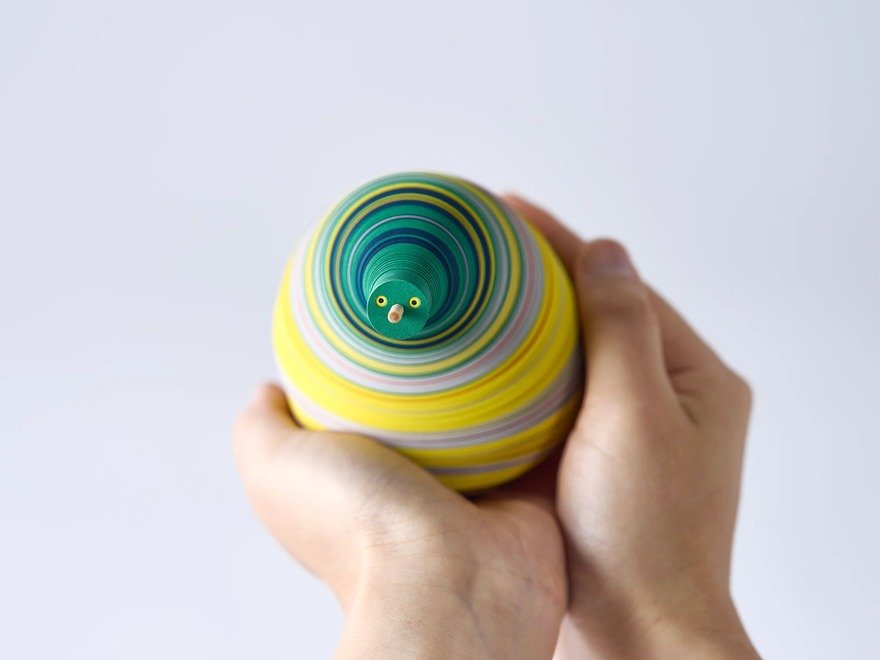
The internal mechanics of the piece rely on what structural engineers might call a "compliant mechanism." Unlike traditional machines that use hinges and joints, PÉPET uses the inherent flexibility of the NT Rasha paper to transfer energy throughout the structure. Because the circles are layered with varying diameters, the gaps between the paper act as air cushions, preventing the paper from sticking together and allowing the friction to remain consistent.
Furthermore, the shadow play mentioned by Nagao is a critical component of the design. When the pet is manipulated, the internal gaps shift, causing light to be caught and reflected differently within the stack. This creates a "chromatic vibration" where the colors of the internal layers appear to shift as the pet moves, reinforcing the illusion of a living, breathing entity.
Official Responses and Collaborative Vision
Takeo Paper, a company with a long history of promoting the artistic use of paper in Japan, views the PÉPET project as a flagship example of "paper evolution." In official statements, representatives from Takeo have emphasized the importance of the partnership with Nagao, noting that the project pushes the limits of what a paper manufacturer can offer.
"The challenge was not in the paper itself, but in the application," a spokesperson for Takeo noted. "NT Rasha is known for its tactile quality, but utilizing it to create a kinetic, interactive object requires a level of precision that we have rarely attempted at this scale."
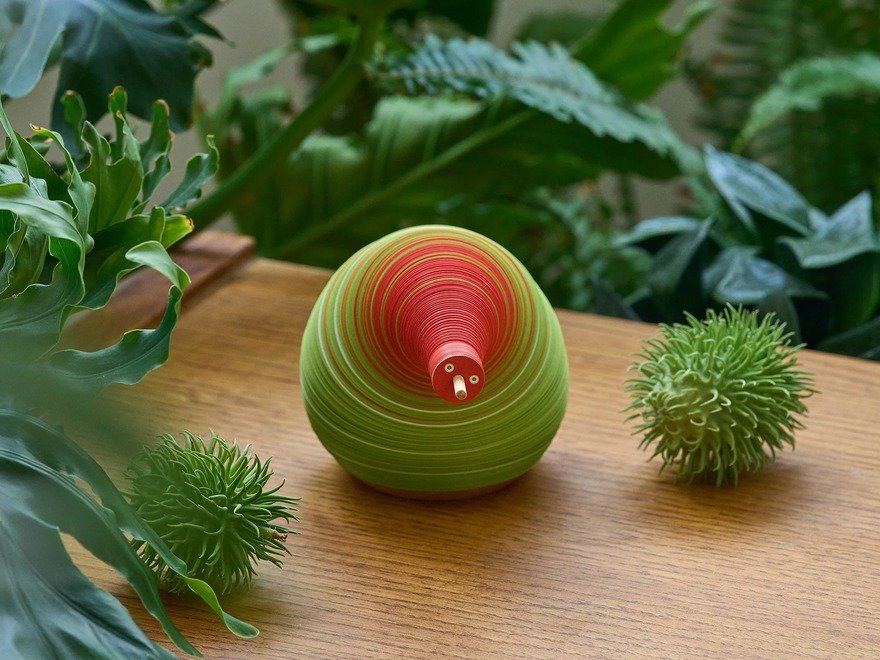
Masae Nagao has been equally vocal about the partnership, noting that without the industrial precision of Takeo’s cutting machinery, the PÉPET would remain a fragile prototype. She views the product as a bridge between the digital age—where we are constantly interacting with sterile screens—and the physical world, where we crave the weight, texture, and warmth of tactile objects.
Implications for Design and the Future of "Paper Pets"
The success of PÉPET has broader implications for the field of toy design and interactive art. In an era dominated by high-tech robotics and digital screens, the appeal of a "paper pet" suggests a growing consumer fatigue with cold, artificial intelligence. There is a profound psychological comfort in interacting with an object that is undeniably analog.
The "Slow Design" Movement
PÉPET fits perfectly into the "Slow Design" philosophy, which prioritizes the process, the materials, and the emotional connection over rapid consumption. By requiring the user to hold, stroke, and manipulate the pet to see it move, Nagao forces the user to slow down. This is not a toy that functions on its own; it is a companion that requires the user’s presence to exist.
Sustainability and Materiality
As global manufacturing looks for ways to move away from plastics and synthetic polymers, projects like PÉPET demonstrate that paper is a viable, sustainable, and highly sophisticated alternative. The use of high-quality, long-fiber papers like NT Rasha ensures longevity without the environmental toll of plastic toys.
The Future of Kinetic Paper
Looking forward, the success of the PÉPET project could lead to a wider range of kinetic paper products. Designers are already exploring how such techniques could be applied to furniture, architectural acoustic panels, and therapeutic devices. If a small pear-shaped object can provide comfort and tactile engagement, imagine the possibilities of larger, more complex structures that respond to environmental changes or human movement.
Conclusion
Masae Nagao’s PÉPET is more than a commercial product; it is a testament to the idea that design can be both humble and revolutionary. By layering 400 circles of paper with a master’s touch, she has managed to capture the essence of life in a medium that is typically considered ephemeral. At $124, it is an investment in a unique, handcrafted experience—a reminder that in a world of high-speed digital noise, there is still profound joy to be found in the soft, deliberate motion of paper on one’s palm. As Takeo Paper continues to support such visionary projects, we may find that the future of interactive technology is not silicon and circuitry, but the quiet, rhythmic folding of paper.
About the Author