For over a century, the Swiss Army Knife has stood as the undisputed gold standard of everyday carry (EDC). Its red plastic scales and fold-out collection of blades, reamers, and openers are etched into the collective consciousness of explorers, hobbyists, and urban commuters alike. Yet, in an era defined by rapid technological advancement and minimalist aesthetic sensibilities, the classic design has remained largely static.
Enter The James Brand. Known for its clean lines and focus on premium materials, the Portland-based design collective recently unveiled the Helton, a pocket tool that attempts to reconcile a century of tradition with the exacting standards of contemporary industrial design. The immediate market response—a near-instant sell-out of its inaugural batch—suggests that consumers were not just waiting for a new tool, but for a new philosophy in how we carry our essentials.
Main Facts: The Anatomy of the Helton
At its core, the Helton is a radical act of subtraction. While traditional multitools are often criticized for "feature creep"—the inclusion of obscure implements like fish scalers or button hooks that rarely see the light of day—the Helton focuses on what the designers deem the "essential utility set."
Key Specifications and Features:
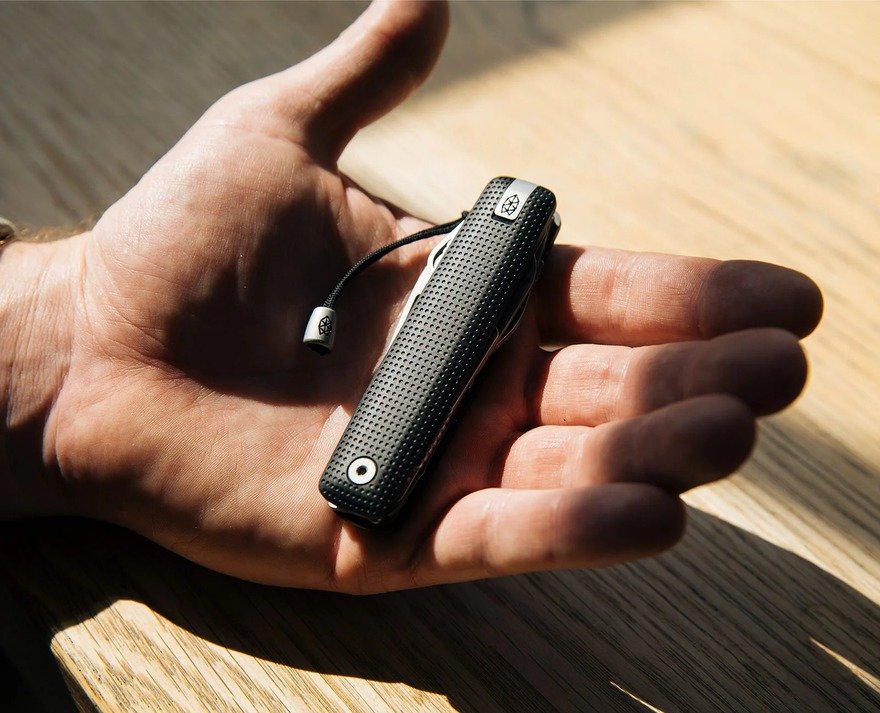
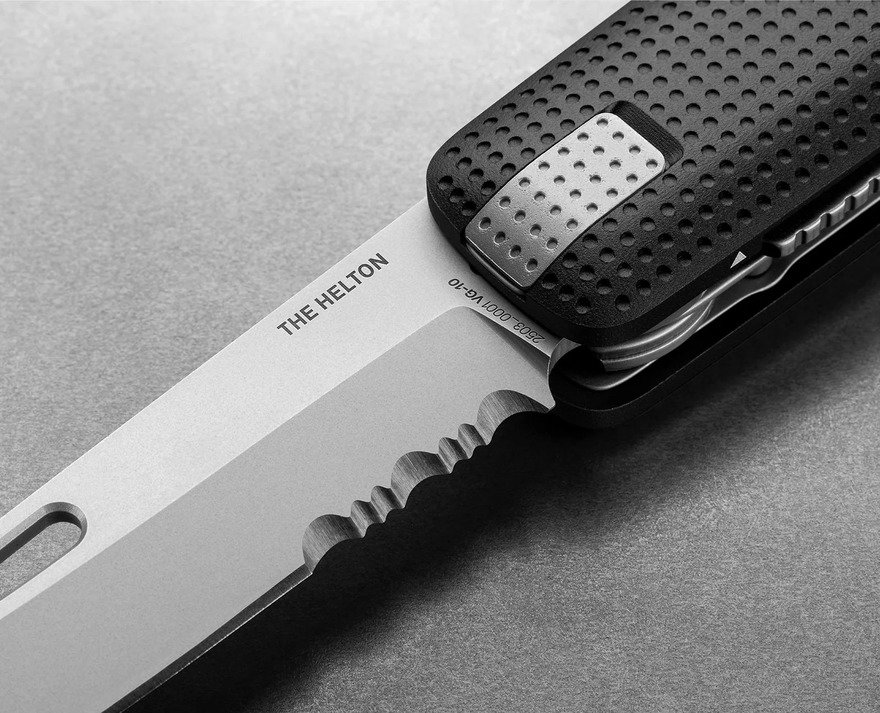
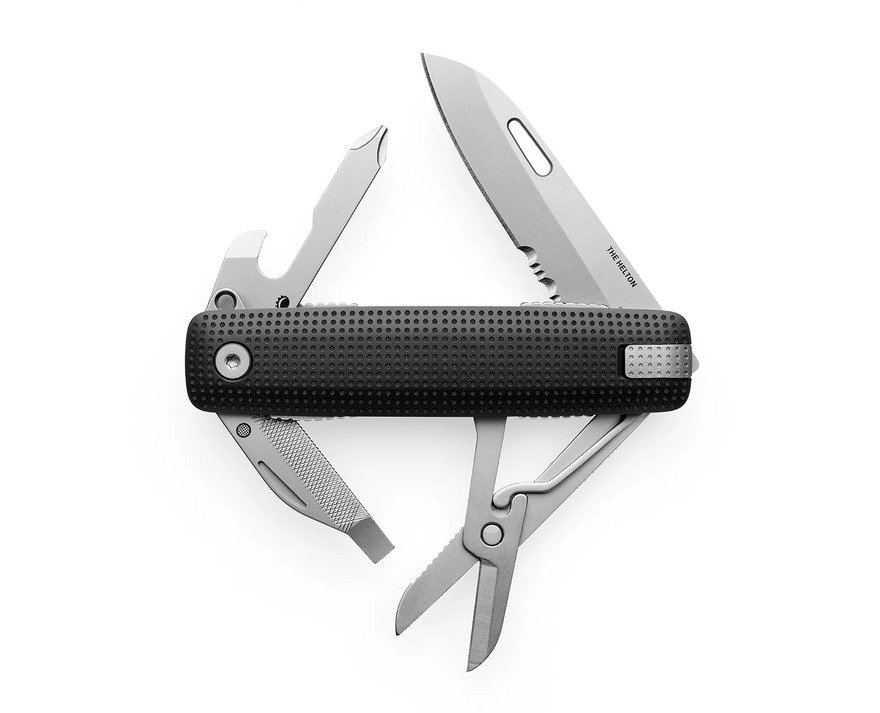
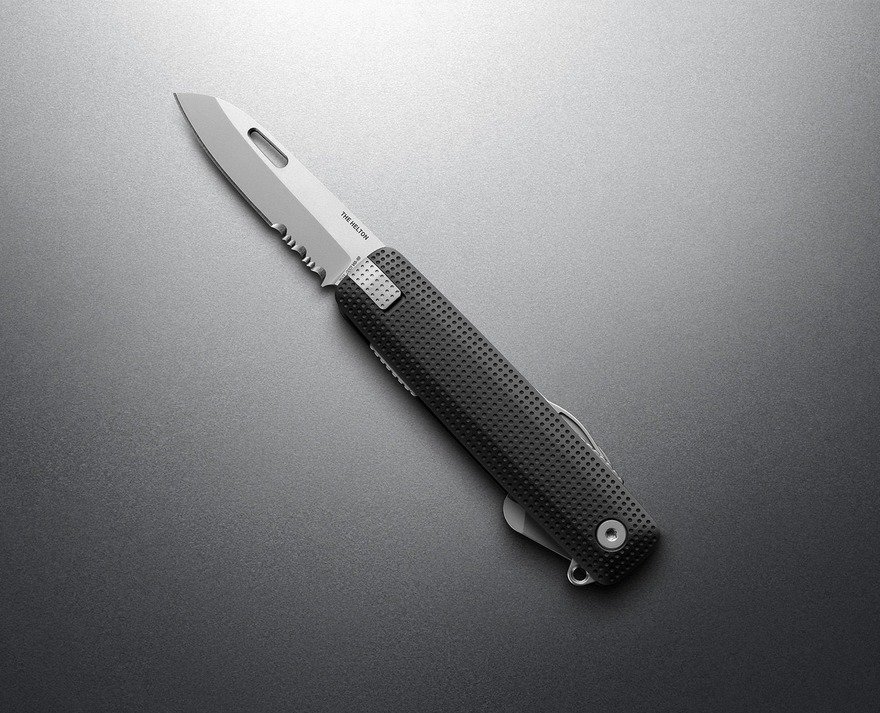
- Materials: A robust, machined aluminum handle with a symmetrical tapered profile, finished with a unique machined dot pattern for superior tactile grip.
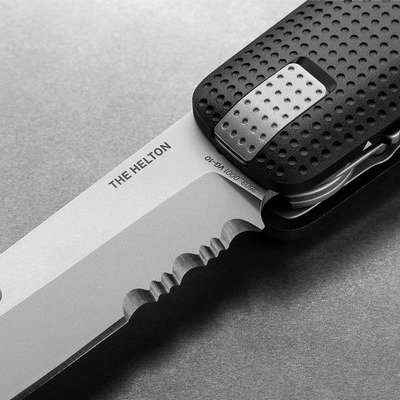
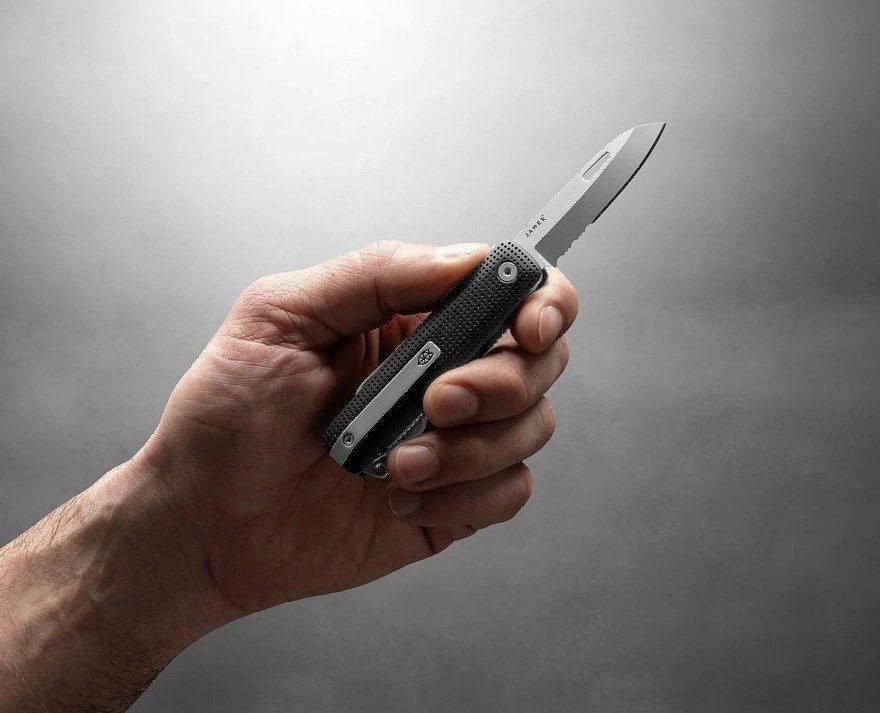
- Blade: A high-quality partially-serrated folding blade, engineered for both precision cutting and heavy-duty tasks.
- Tool Array:
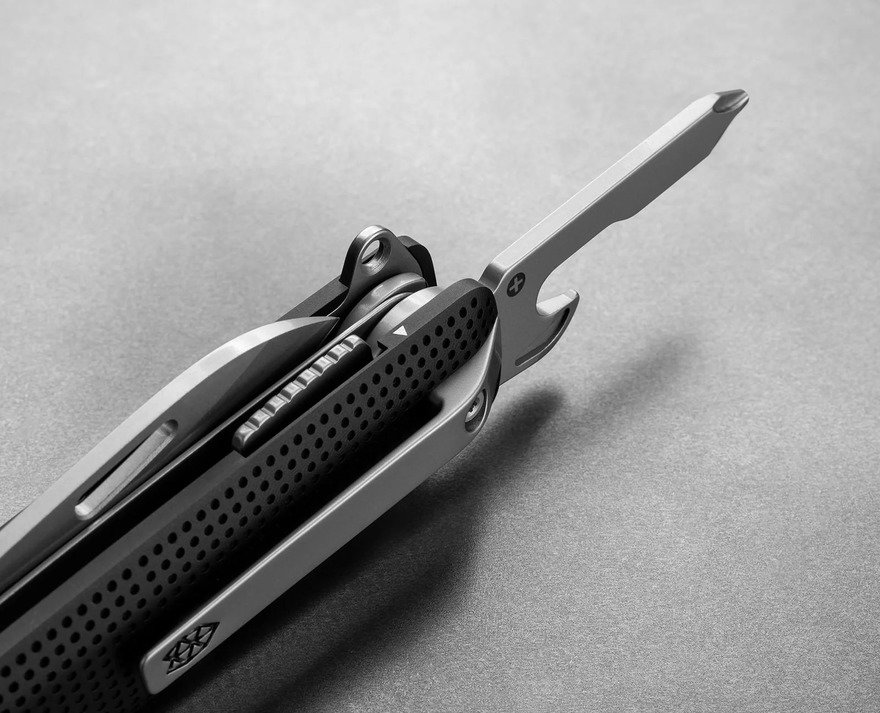
- Magnetized Drivers: A dedicated Philips head and a flathead driver, both featuring high-retention magnets.
- Integrated Utility: A bottle opener incorporated into the driver mechanism.
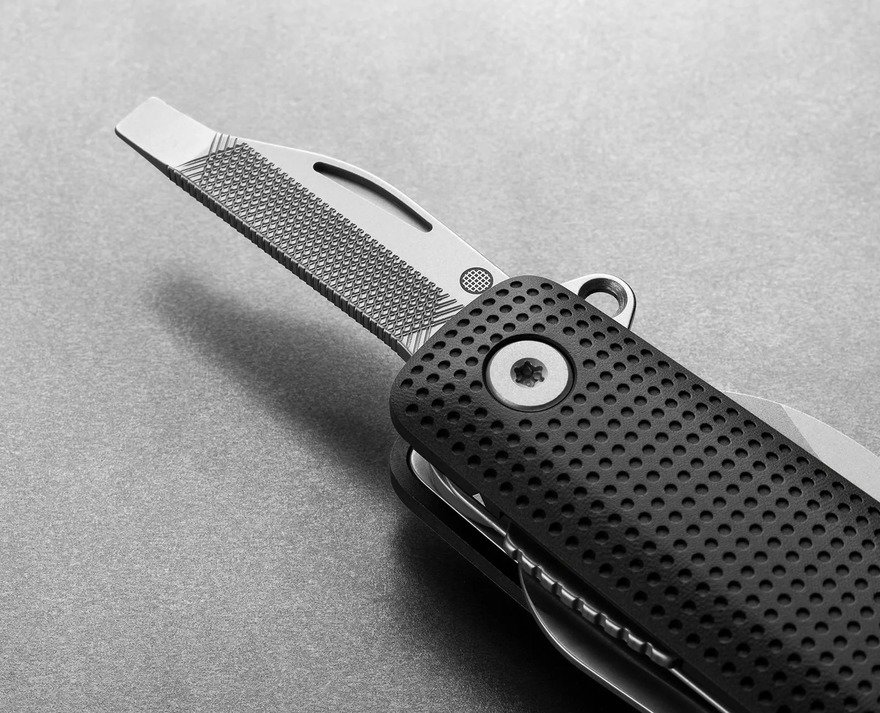
- Maintenance: Dual-purpose files (coarse and fine) for precision metal or material work.
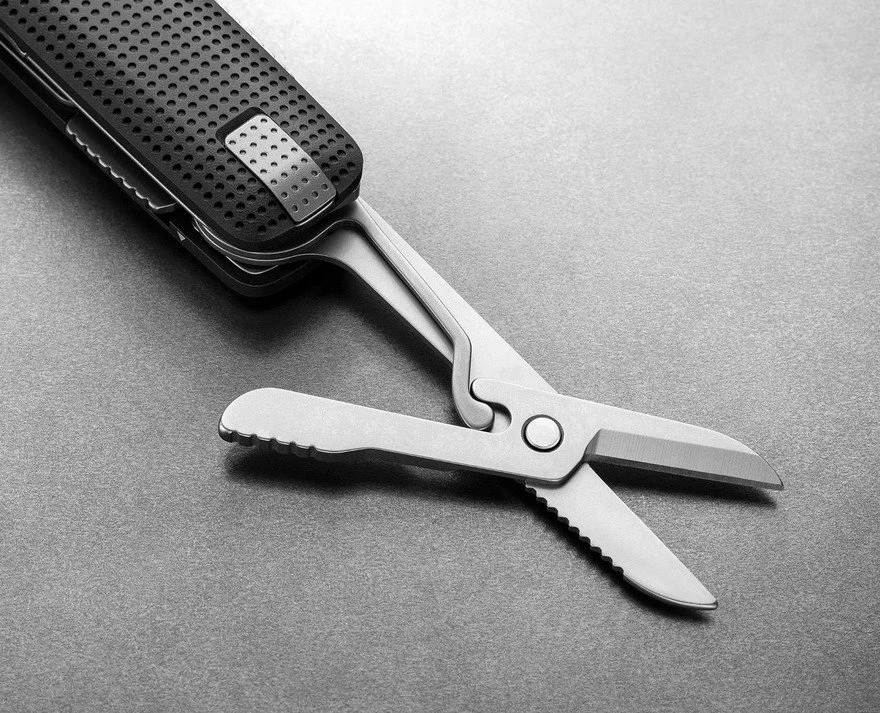
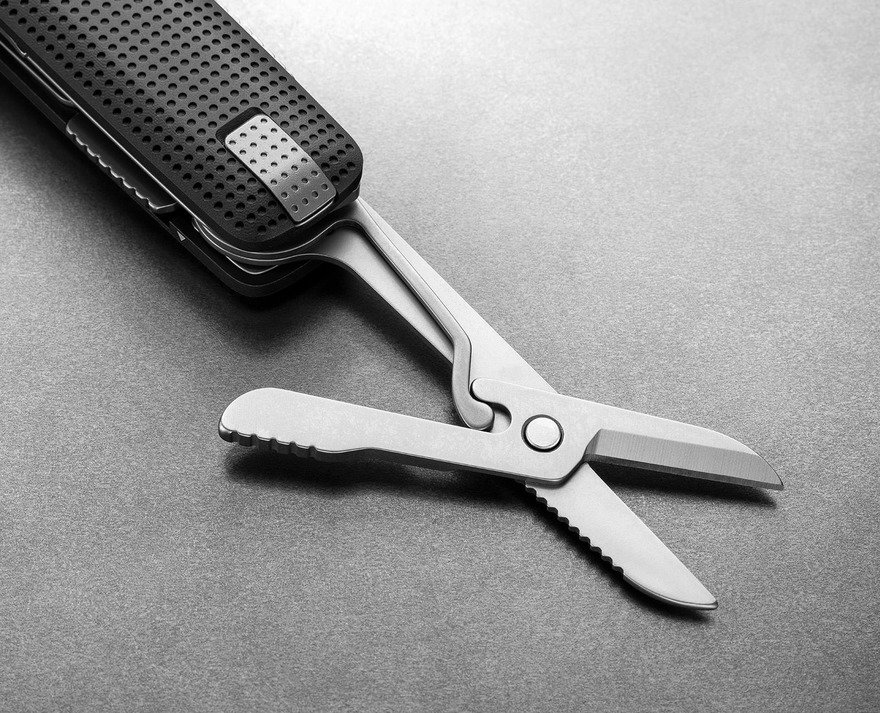
- Precision Tools: Spring-action scissors, chisel-tip tweezers, and a dedicated metal pick.
- Construction: The unit utilizes bronze washers for smooth deployment and a stainless-steel pocket clip. Critically, every individual tool features a dedicated locking mechanism, a significant departure from the non-locking friction systems of older, traditional pocket knives.
The Helton is not merely a tool; it is a design object. By eschewing the ubiquitous red plastic scales for aircraft-grade aluminum and opting for a muted, monochromatic color palette, the designers have transitioned the pocket knife from a "utility gadget" to a refined accessory suitable for the modern boardroom or the rugged backcountry.
A Chronology of Development: Three Years in the Making
The journey from concept to reality was not a hasty endeavor. According to the design team at The James Brand, the Helton represents three years of iterative development. In an age where products are often rushed to market to capture fleeting trends, this extended incubation period is a testament to the brand’s commitment to "restraint."
Phase 1: Research and Deconstruction
The process began with a deep dive into the ergonomics of the classic pocket knife. The team identified that while the form factor was familiar, the user experience had become stagnant. They conducted surveys and observed how everyday users actually interacted with their tools, noting which implements were used daily and which were left to gather dust.
Phase 2: Material and Mechanism Prototyping
The middle phase focused on the tension between "modern aesthetic" and "mechanical reliability." They moved away from the traditional stamped-metal construction of the early 20th century, opting for CNC-machined components. This allowed for tighter tolerances and the integration of the locking mechanisms that define the Helton’s safety and ease of use.
Phase 3: Refining the "Simplified" User Experience
The final year was spent on "editing." The design team found that adding features was easy, but removing them while maintaining utility was the true challenge. The decision to allow for modularity—such as the interchangeable pocket clip, tweezers, and pick—was a calculated trade-off. They acknowledged that a smaller, thinner profile meant sacrificing the ability to have every tool present at once, a choice that underscores the product’s emphasis on intentionality.
Supporting Data: The Economics of the Helton
The market demand for the Helton provides a fascinating case study in modern product viability. Despite a premium price point, the product sold out immediately upon release.
- Pricing Structure: The standard models retail at $169, while the premium black-on-black aesthetic iteration commands $179.
- Supply Chain Status: Following the initial sell-out, The James Brand is currently in the midst of a second production run. This "limited release" strategy serves two purposes: it allows the company to maintain high quality-control standards and generates significant brand buzz through scarcity marketing.
- User Demographics: Analysis of EDC enthusiast forums and social media sentiment reveals that the Helton appeals to a demographic of "design-conscious pragmatists"—users who value how an item feels in the pocket as much as its utility in a pinch.
Official Perspectives: The Philosophy of Restraint
The James Brand has been vocal about the "why" behind the Helton. In official statements, the company frames the knife not as an attempt to destroy the legacy of the Swiss Army Knife, but to pay homage to it through evolution.
"Some knives are about tradition. Some are about innovation. The Helton is about both," the company stated during the launch. They argue that the "simplest objects are often the hardest to get right."
The design language of the Helton is one of "resolute quiet." In a world of loud branding and overly aggressive tactical styling, the Helton is designed to disappear into one’s pocket, offering a sense of "intuitive and effortless" utility. The company explicitly rejects the "tactical" aesthetic that has dominated the knife industry for the last decade, choosing instead to focus on clean lines, symmetrical balance, and high-quality tactile feedback.
Implications: The Future of Everyday Carry
The success of the Helton has wider implications for the manufacturing of consumer goods. It signals a shift away from the "disposable" culture of the mid-2000s and toward a "buy it for life" ethos.
1. The Death of Plastic Utility
The Helton’s rejection of plastic scales in favor of machined aluminum is a clear indicator of where the high-end EDC market is heading. Consumers are increasingly willing to pay a premium for materials that age gracefully, such as anodized aluminum, brass, or titanium, rather than materials that degrade over time.
2. Modular Design as a Solution
The decision to make certain tools interchangeable—due to the limited space in the sleek chassis—is a bold design choice. It forces the user to customize their tool for the day ahead. This represents a shift from "carrying everything just in case" to "carrying exactly what is needed," a trend that aligns with broader minimalist movements in urban living.
3. The "Designey" Disruption
The term "designey," often used by critics to imply style over substance, is being reclaimed by brands like The James Brand. The Helton proves that design is not just about the surface finish; it is about the integration of locking mechanisms, the tension of a spring-action scissor, and the weight distribution of the handle.
4. A New Standard for Utility
By setting a high bar for both form and function, the Helton has put pressure on legacy manufacturers. It is no longer enough to offer a tool that works; modern consumers now expect a tool that resonates with their personal style and professional aesthetic.
Conclusion: A Tool for the Next Century
The Helton is a study in the intersection of legacy and modernity. It respects the history of the pocket knife while stripping away the excess of the past. For those who find the traditional Swiss Army Knife too bulky or aesthetically dated, the Helton offers a compelling, albeit premium, alternative.
As The James Brand moves into its second production run, the conversation surrounding the Helton will likely shift from its design novelty to its long-term durability. If the tool holds up to the rigorous, daily use its price tag suggests, it may well become the new heirloom of the 21st century. It is a reminder that even the most "perfected" objects can be improved—provided one has the courage to start from scratch and the patience to edit until only the essential remains.
About the Author