In the high-stakes environment of industrial manufacturing, rotating equipment—from the massive rotary screw compressors powering pneumatic lines to the high-speed pumps and gearboxes driving production—is the engine of profitability. Yet, these machines are remarkably fragile, held together by a microscopic, often-overlooked hero: a thin film of lubricant.
Oil does far more than reduce friction. It seals internal clearances, carries away destructive heat, inhibits corrosion, suspends contaminants, and protects critical bearing surfaces. When this film is compromised, the equipment’s reliability collapses. While many operators view lubrication as a routine, low-skill calendar task, industry leaders have identified it as a cornerstone of predictive maintenance. Failure to treat lubrication with technical rigor often leads to premature, costly equipment failure.
The Core Mandate: Understanding Lubrication Failure
Reliability engineers often note that a surprising number of machine failures share two commonalities: they were entirely preventable, and the first warning signs were documented in the lubricant long before the machine seized.
The fundamental principles of lubrication management are deceptively simple: use the right lubricant, in the right amount, at the right interval, and ensure absolute purity. When these pillars are ignored, the result is a "death by a thousand cuts." Whether it is a pump, a motor, or a compressor, the equipment depends on that film of fluid. Neglect it, and failure shifts from a possibility to a certainty.
10 Common Misconceptions: Debunking Industrial Myths
To improve operational uptime, maintenance teams must dismantle the "worst practices" that plague facility management.
1. The "Little Bit of Dirt" Fallacy
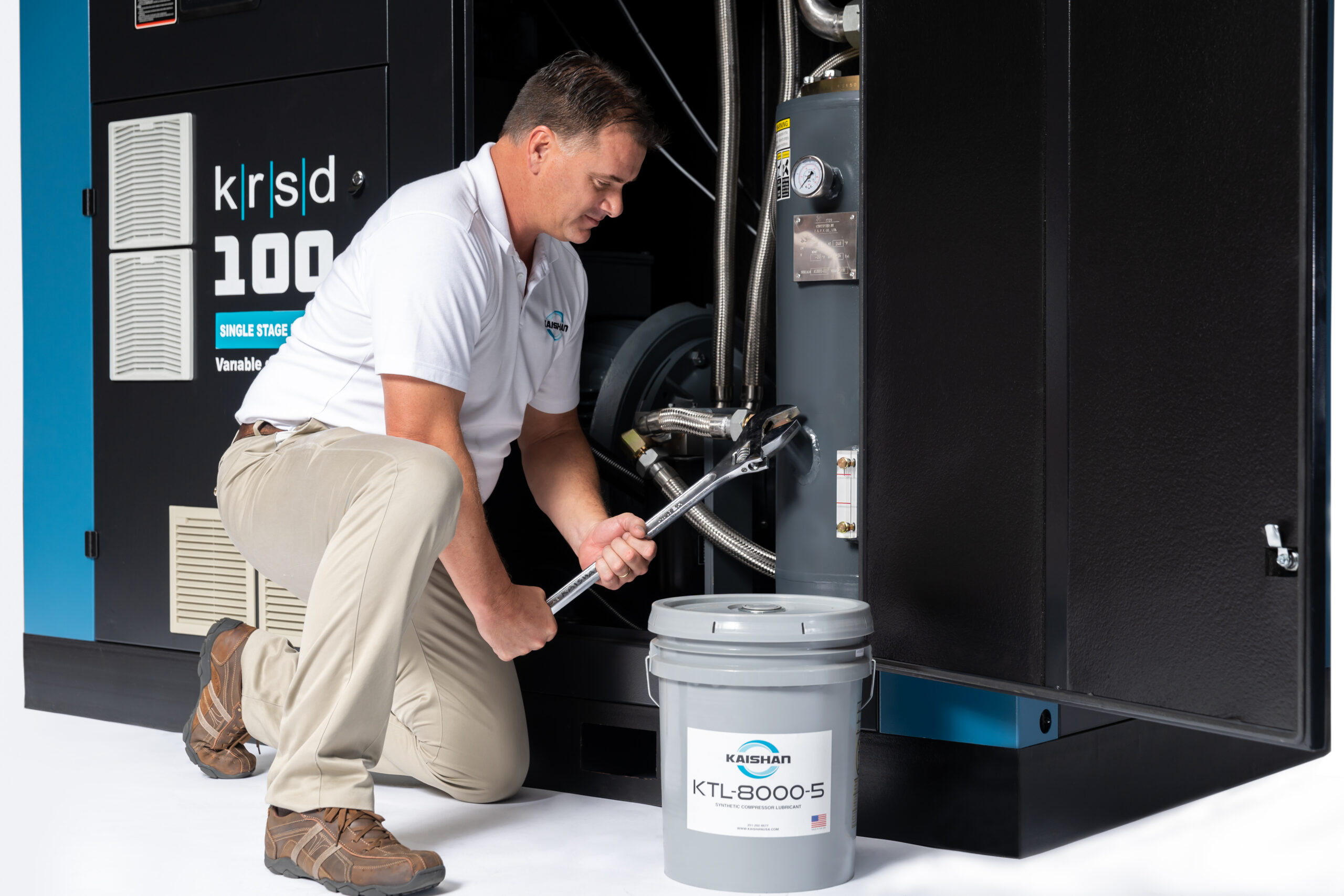
Contamination is the silent killer of rotating machinery. The belief that minor debris is harmless is perhaps the most dangerous misconception in the industry. Dust, moisture, and metallic particles act as abrasives that turn oil into a lapping compound, accelerating the wear of sensitive components. Cleanliness—from the funnel to the storage container—is a prerequisite for longevity.
2. The Dangers of "Cool Running"
Operators often celebrate low operating temperatures, but lubricants are engineered for specific thermal windows. If a compressor runs at consistently light loads, the oil may never reach the temperature required to vaporize moisture. That trapped moisture leads to sludge, acid development, and premature fluid oxidation.
3. Ignoring Oil Analysis
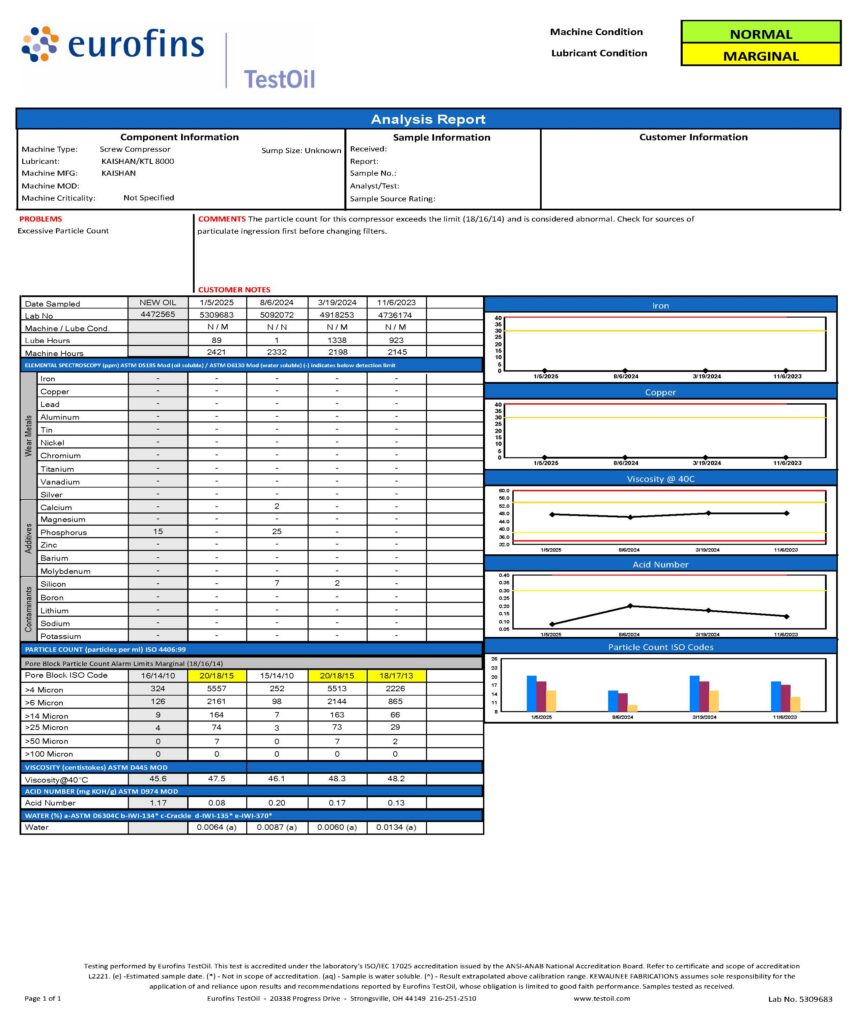
Routine oil analysis is the most effective predictive maintenance tool available. It provides a window into the machine’s internal health, revealing viscosity shifts, coolant intrusion, and incipient bearing wear. Treating oil analysis as an optional, time-consuming chore is a strategic error; it should be the "north star" of any maintenance program.
4. The "All Oils are Equal" Error
Lubricant chemistry is not academic. Viscosity grades, additive packages, and base oil structures (mineral vs. synthetic) are engineered for specific stress profiles. Using the wrong lubricant to save a few dollars on a drum of oil can lead to a $20,000 airend repair. Always follow manufacturer specifications to avoid catastrophic failures.
5. Over-Reliance on Calendar Hours
Operating hours are merely a baseline. Ambient humidity, temperature spikes, and dust levels dictate oil life far more accurately than a simple meter reading. Relying strictly on a calendar is a rigid approach that ignores the real-world conditions the machine faces daily.
6. The Over-Greasing Trap
There is a prevailing myth that "more is better" when it comes to grease. Over-greasing is a significant cause of bearing failure, as excess grease generates internal heat and forces lubricant into areas where it causes drag and damage. Precision is key: follow the bearing manufacturer’s volume recommendations, not the strength of the technician’s arm.
7. Light Loads and Moisture Buildup
Contrary to popular belief, light-duty cycles can be harder on oil than heavy-duty cycles. Without the heat generated by steady, heavy loads, moisture accumulation goes unchecked, leading to rapid degradation of the lubricant’s protective properties.
8. VSD Complexity
Variable Speed Drive (VSD) compressors are highly efficient, but they present unique lubrication challenges. Because they fluctuate in speed, they often run in temperature ranges that favor moisture condensation. For facilities with VSDs, oil sampling is non-negotiable.
9. The Hazard of Mixing Greases
Mixing greases with different thickener systems is a recipe for disaster. Incompatible thickeners can result in a loss of consistency, turning grease into a viscous sludge that fails to protect bearings. Always verify compatibility before switching brands or types.
10. Mineral vs. Synthetic: The Performance Gap
While mineral oils are traditional, synthetic lubricants offer superior resistance to thermal breakdown and oxidation. In high-duty cycles, the higher upfront cost of synthetic oil is almost always offset by longer intervals and reduced wear.
Chronology of Lubricant Degradation
The life cycle of a lubricant is a race against time and environmental factors.
- Phase 1 (Introduction): The lubricant is introduced to the system. Proper filtration and "clean-room" transfer practices here determine the base health of the asset.
- Phase 2 (Active Service): The lubricant enters the "service window." Here, temperature, load, and contamination begin to alter the chemical composition of the fluid.
- Phase 3 (Predictive Monitoring): Through routine sampling, engineers track the depletion of additives. This is the stage where proactive, rather than reactive, maintenance occurs.
- Phase 4 (Terminal State): If left until the machine signals distress (vibration or noise), the fluid has likely reached a state of failure, and internal damage has already begun.
Supporting Data: The Value of Analysis
Data consistently shows that machines with rigorous lubrication programs exceed their design life by significant margins. Compressors that might normally last 40,000 hours have been known to reach 80,000 hours solely through consistent oil analysis and fluid maintenance.
When a lab report identifies an uptick in iron or lead, it isn’t just an "oil issue"—it is a precursor to a bearing failure. An accredited laboratory report acts as a diagnostic tool that identifies issues such as coolant leaks or dirt ingress before they manifest as mechanical noise.
Official Industry Perspective
Leading equipment manufacturers emphasize that "lubrication is a reliability strategy, not a maintenance task." Industry bodies argue that when lubrication is treated as a core business process, the total cost of ownership (TCO) drops significantly. The consensus is clear: the lubricant is the most important component in the machine. If the lubricant fails, the machine fails.
Implications for Future Operations
The shift toward "Industry 4.0" and smart factories necessitates a more sophisticated approach to lubrication. Real-time sensors monitoring oil temperature, pressure, and even particle count are becoming the standard.
However, technology cannot replace the fundamentals. Regardless of the sophistication of the equipment, the basic requirements remain:
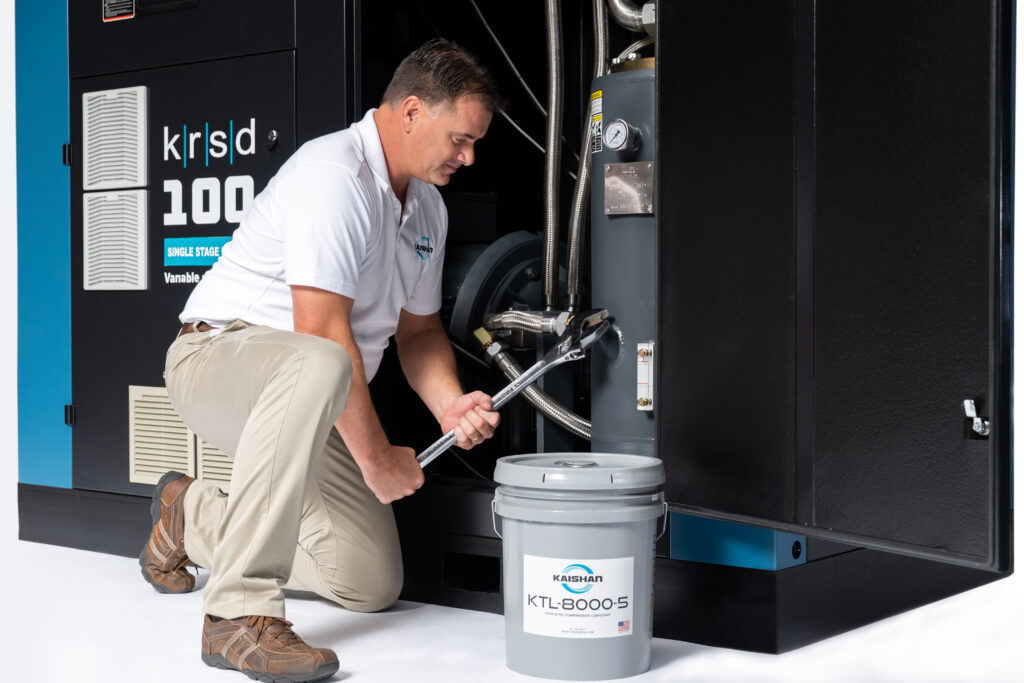
- Strict Contamination Control: Treat the lubricant as a medical fluid—keep it clean.
- Proactive Sampling: Use oil analysis to dictate service intervals, not just the clock.
- Standardization: Minimize the variety of lubricants used to prevent cross-contamination.
- Education: Train staff to understand that they are not just "changing oil"—they are protecting the company’s most valuable production assets.
In conclusion, the most successful manufacturing plants are those that listen to what their lubricant is telling them. By monitoring the fluid, you effectively monitor the machine’s future. Those who prioritize lubrication will see lower maintenance costs, fewer unplanned shutdowns, and a significantly higher return on their capital equipment investments. The countdown to failure begins the moment the oil is neglected; conversely, the timeline for success begins with the first drop of the right oil in a clean environment.
About the Author