The landscape of industrial design is a constant dialogue between the pragmatic and the visionary. This week, we saw a compelling cross-section of this tension, ranging from small-scale mechanical hacks—like an aftermarket clip for a Swiss Army Knife—to the radical, high-stakes overhaul of the BMW 3 Series cockpit. Whether it is an iron pour-over rig hand-forged in a Japanese workshop or a high-tech, sustainable tire prototype, the common thread remains a singular obsession with improving the human experience through better, more thoughtful objects.
Here is an analysis of the most significant design developments from the past seven days.
Main Facts: The Intersection of Form and Function
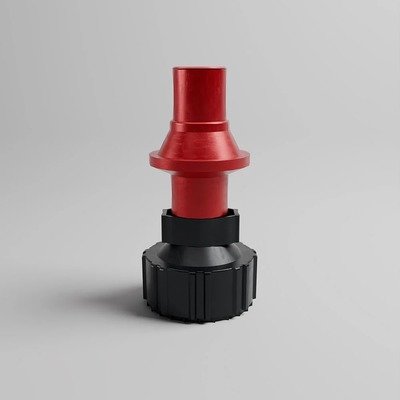
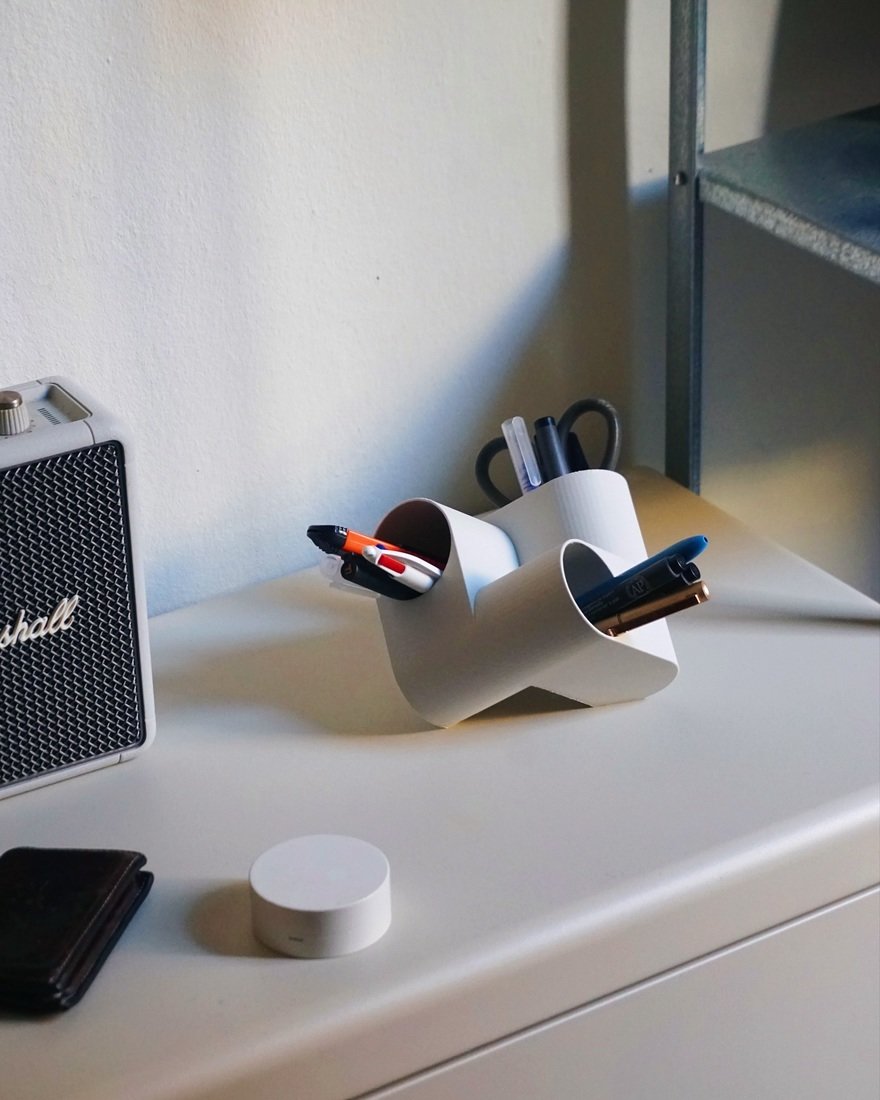
The week was defined by a series of interventions that prioritized user experience (UX) and material efficiency. Industrial design is often misunderstood as merely the "styling" of products, but this week’s highlights prove otherwise. From the Tuff Jug Ripper Cap, which solves the messy, frustration-prone task of off-road refueling, to the Cartesian pencil holders designed by Eduardo Blanco, the focus has shifted toward solving specific, often overlooked, ergonomic frictions.
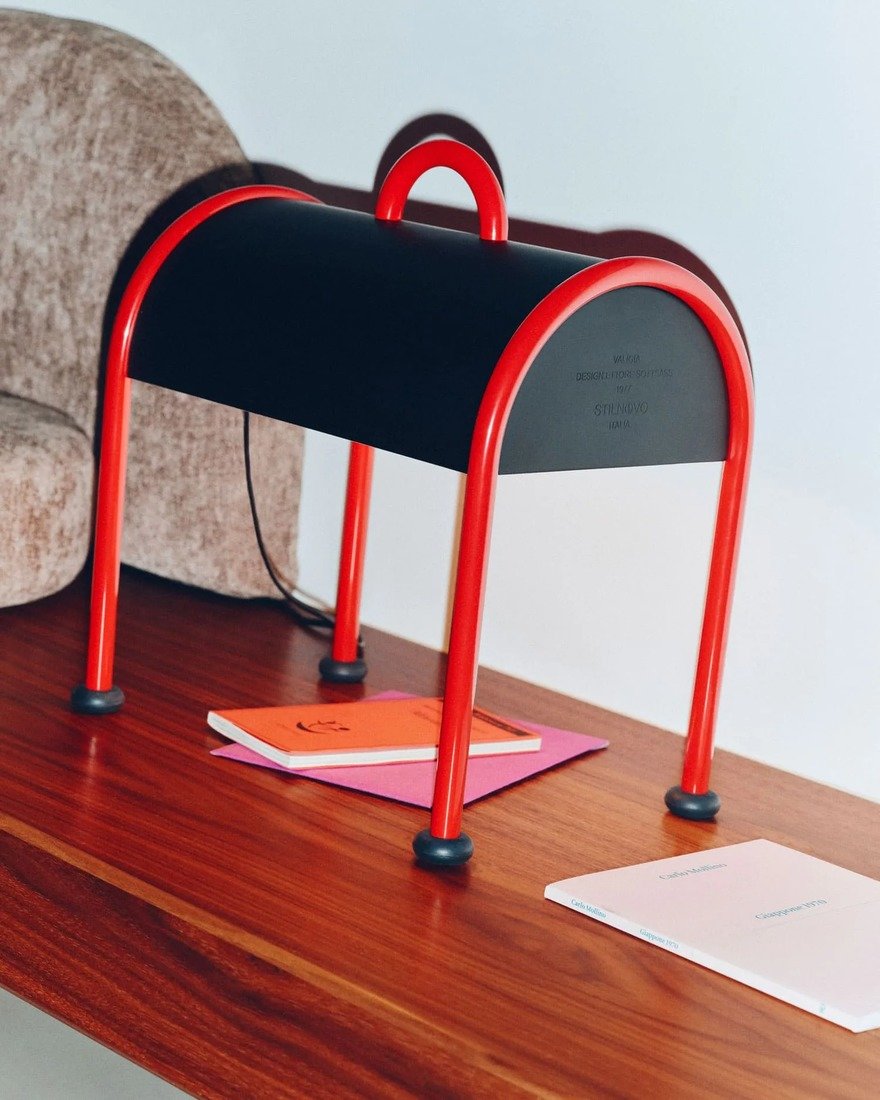
Perhaps the most ambitious project discussed was the development of a tire prototype featuring replaceable treads. This is not merely a design exercise; it is an attempt to address the massive ecological footprint of the automotive industry by allowing users to swap out worn-down rubber without discarding the structural core of the tire. Simultaneously, we saw the return of design classics—such as Ettore Sottsass’s Valigia lamp—proving that truly great industrial design possesses a timelessness that transcends temporary aesthetic trends.
Chronology: A Week of Design Evolution
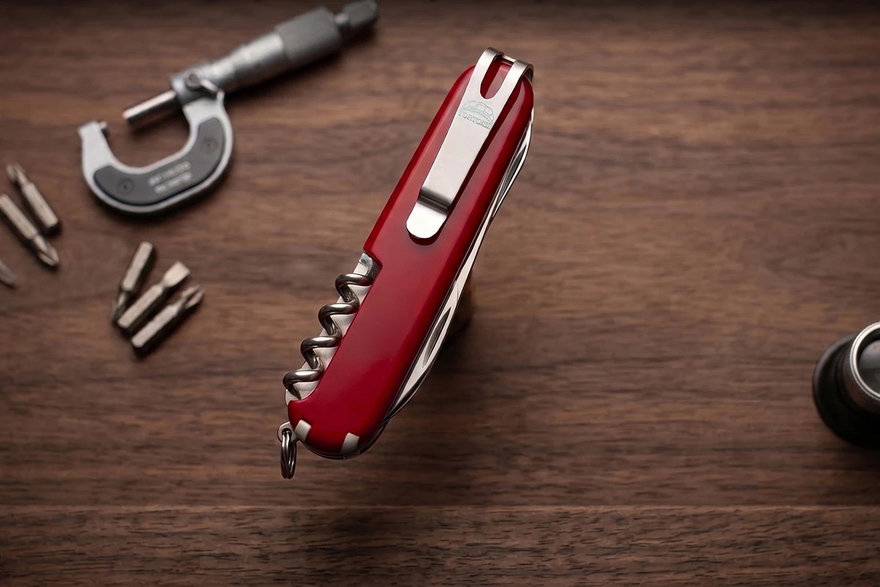
The week began with a focus on small-scale utility. Tortoise Gear’s add-on clip for Swiss Army Knives emerged as a perfect example of "micro-design," providing a low-cost, high-impact solution to a common carry problem. As the week progressed, the scope of design widened:
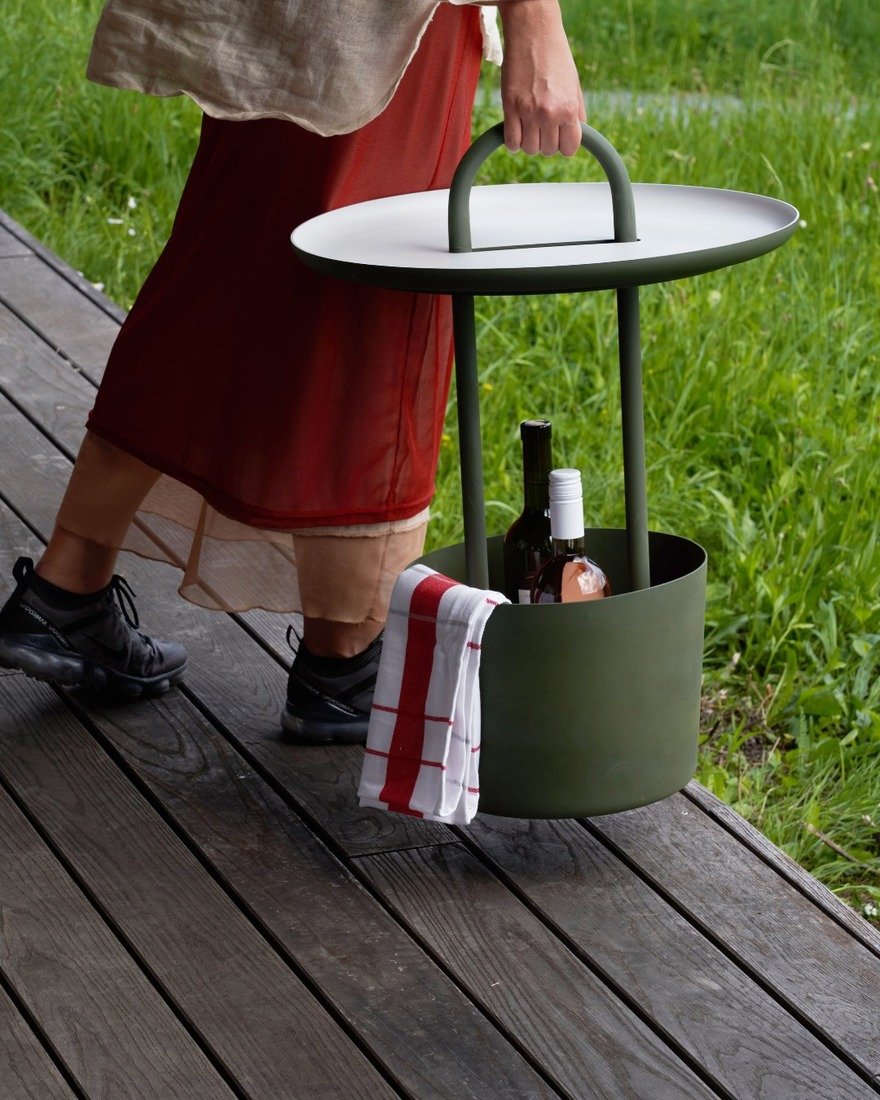
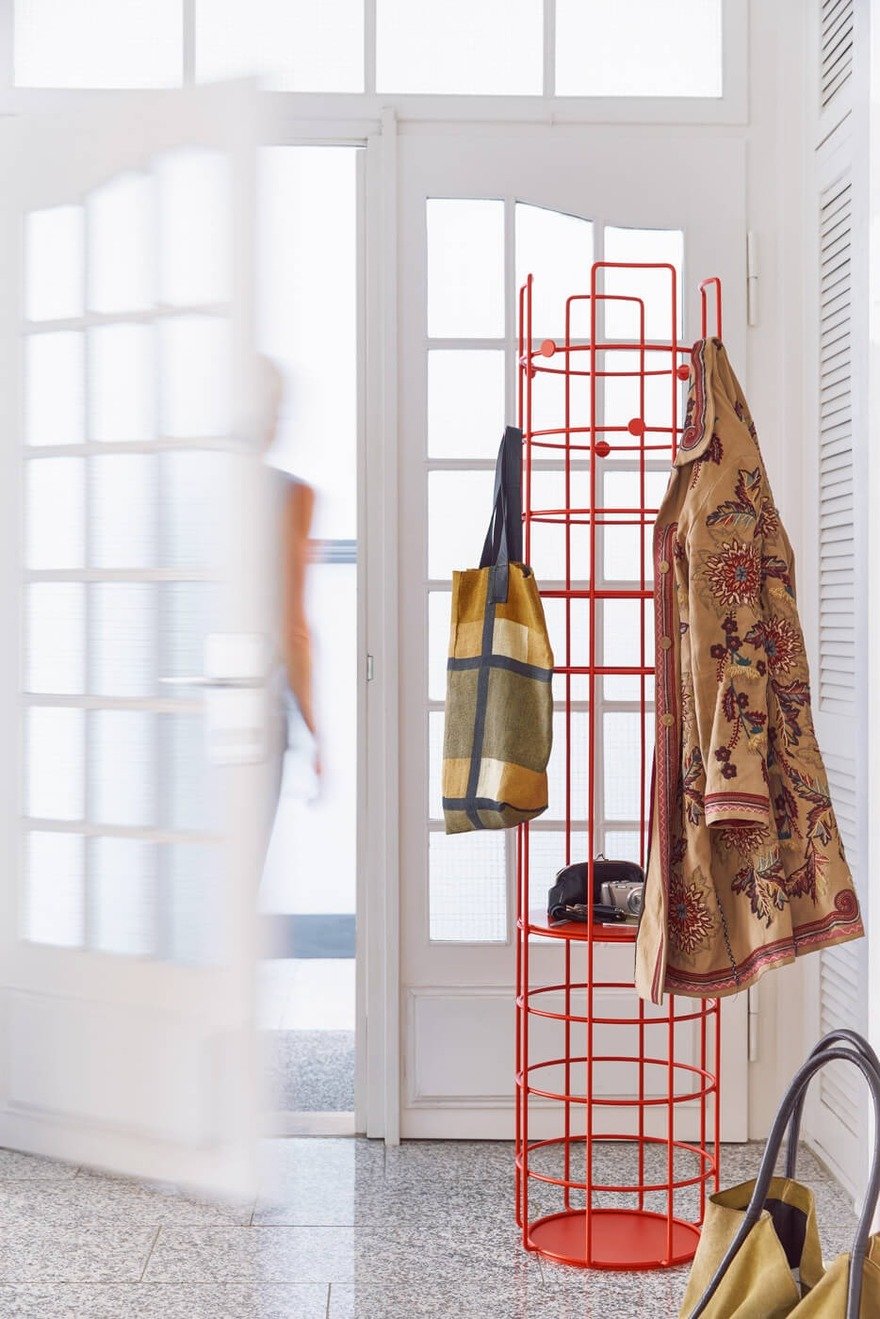
- Mid-Week: The focus shifted toward spatial and organizational design. Hsinhung Chou’s "Handy" mobile furniture piece and Steffen Kehrle’s Bauhaus-inspired coat rack showcased how minimalist structural design can optimize interior spaces.
- The Mid-Week Pivot: We looked at the intersection of heritage and innovation. The revival of Richard Sapper’s Telefunken Match reminded us of the mid-century obsession with modularity and tactile feedback, while Totetsu Ironworks demonstrated the enduring relevance of traditional metalworking with their iron pour-over coffee rig.
- The Weekend Surge: The focus moved to the future. BMW’s announcement regarding their next-generation cockpit design signaled a move toward digital-first, high-information environments. Simultaneously, Red Bull’s Flugtag competition highlighted the lighter, more communal side of design, celebrating the engineering spirit through DIY flying machines.
- Closing: The week concluded with a look at sustainable engineering, specifically the aforementioned replaceable tire tread prototype, bridging the gap between consumer products and environmental necessity.
Supporting Data: Why These Objects Matter
To understand the impact of these designs, one must look at the "pain points" they address.
- Efficiency and Waste: The replaceable tread tire prototype targets a significant industrial issue. Current statistics indicate that millions of tons of rubber are discarded annually due to uneven wear patterns. A modular design could potentially reduce waste by 40-60% per unit over the lifecycle of the tire, provided the locking mechanism remains safe under high-torque conditions.
- Cognitive Load: The BMW 3 Series cockpit redesign is rooted in the study of "cognitive load." As vehicles become more complex, the number of inputs increases. BMW’s shift toward a simplified, screen-integrated environment is a response to the need to reduce driver distraction—a critical metric in modern automotive safety.
- Human-Centricity: Projects like the Tuff Jug Ripper Cap highlight the importance of "applied ergonomics." By improving the flow-rate and sealing mechanism for fuel containers, the designers have essentially eliminated the "spill-and-waste" factor that plagues off-road enthusiasts, proving that UX design is just as important in the garage as it is on a smartphone.
Official Responses and Industry Context
The reception to these designs has been largely positive, reflecting a broader trend in the industry toward "meaningful consumption."
Regarding the BMW cockpit redesign, industry analysts have praised the brand’s willingness to move away from button-heavy layouts, though some critics remain wary of the reliance on touch-based interfaces. A spokesperson for the design team emphasized that the goal was "sensory clarity," aiming to make the car an extension of the driver’s intent rather than a piece of technology to be operated.
In the world of furniture and accessories, the re-release of the Valigia lamp has been met with enthusiasm from the design community. Critics note that Sottsass’s work remains as relevant today as it was in the 1970s because it challenges the "invisibility" of domestic objects. By making a desk lamp look like a piece of structural architecture, it forces the user to engage with their workspace differently.
Finally, the replaceable tire project has drawn attention from environmental advocacy groups. While the technology is currently in a prototype phase, the industry reaction has been one of cautious optimism. If mass-produced, it could redefine the "disposable" nature of automotive maintenance.
Implications: The Future of Industrial Design
What do these disparate items tell us about the future of the field?
1. The Rise of "Modular Maintenance"
We are seeing a shift away from the "all-in-one" disposable product culture. Whether it is the tire treads, the Swiss Army Knife clip, or the Cartesian pencil holder, the theme is clear: products should be adaptable. Designers are increasingly expected to account for the entire lifecycle of an object, including its repair and augmentation.

2. The Reclaiming of Analog Craft
Despite the digital saturation of our lives, there is a renewed appreciation for objects with weight, texture, and manual operation—such as the Totetsu Ironworks coffee rig. The "analog resurgence" is not about rejecting technology, but about selecting tools that offer a tactile, sensory-rich experience that digital interfaces cannot replicate.
3. The Democratization of Complex Systems
From Red Bull’s Flugtag to DIY notebook binding (Inkaren’s corner-bound journals), there is a strong movement toward making design accessible. The barrier to entry for complex projects is lowering. We are moving toward an era where the designer is no longer a gatekeeper, but a facilitator, providing users with the tools—and the inspiration—to build, modify, and improve their own environments.
Final Thoughts
The breadth of this week’s design highlights serves as a reminder that design is the invisible glue holding our world together. It is in the ergonomic curve of a handle, the modularity of a tire, and the bold, iconic geometry of a lamp. As we look forward, the most successful designs will likely be those that manage to balance these three pillars: sustainability, human-centricity, and the courage to challenge convention.
Whether it is a high-speed automotive cockpit or a simple desk accessory, the mandate for the modern designer remains the same: create, iterate, and above all, make it matter.
About the Author