The landscape of industrial and experiential design is in a constant state of flux, oscillating between the ultra-modern integration of computational fabrication and a nostalgic reverence for the mid-century masters. This week’s developments, curated from the most compelling voices in the design community, highlight a profound shift: the industry is no longer just solving problems; it is reimagining the relationship between the human form, the objects we interact with, and the environmental footprint we leave behind.
From modular electric mobility to the humble ingenuity of low-cost manual washing machines, the following report explores the primary breakthroughs, design philosophies, and technological leaps that defined the last seven days.
Main Facts: The Pulse of Global Design
This week, the design world focused on several key themes: the democratization of high-end aesthetics, the resurgence of mid-century minimalism, and the application of complex manufacturing techniques to everyday objects.
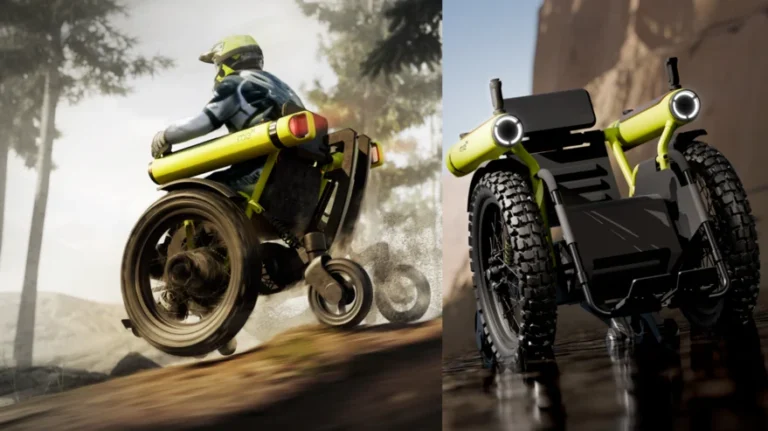
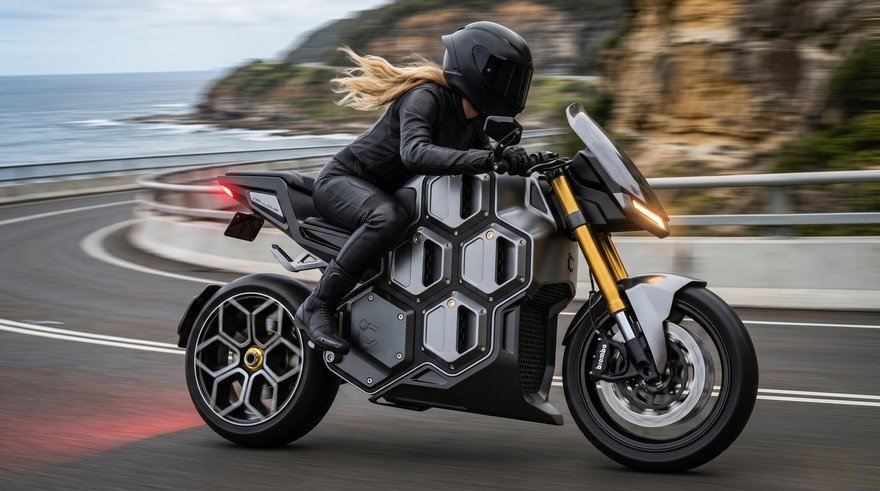
Perhaps the most striking trend is the "human-centric" approach to engineering. We saw this in Toyota’s latest video release, showcasing wheelchair-alternative mobility concepts that prioritize autonomy and dignity, and in the Clandestine Design Group’s Cellcius C-01, an electric motorcycle concept that challenges the current limitations of modular, scalable battery power.
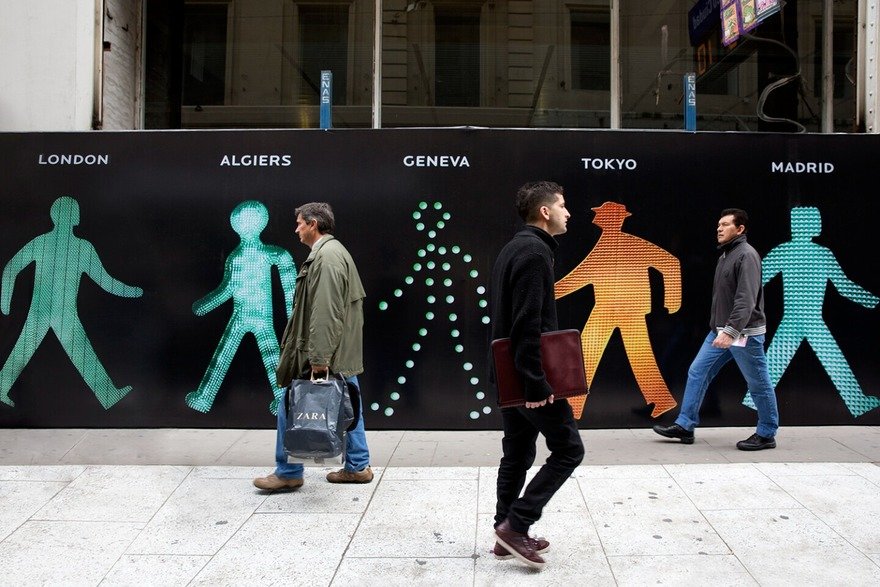
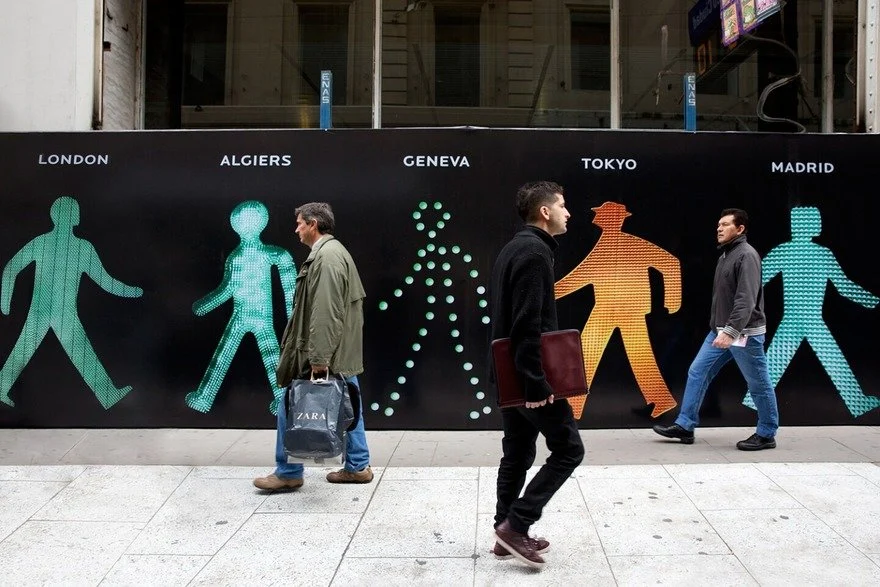
Simultaneously, the world of interior and product design witnessed a collision of eras. While Maya Barkai’s "Walking Men" installations continue to reshape public spaces, designers like Joram de Haas are pushing the boundaries of what is possible by marrying the ancient art of weaving with the precision of 3D printing. The industry is proving that "modern" does not necessarily mean digital; it means smart.
Chronology of Innovations
The week began with a focus on public space and accessible consumer electronics, rapidly evolving into more technical discussions regarding materials science and sustainable logistics.
- Monday: The spotlight turned to urban intervention with the continued relevance of Maya Barkai’s "Walking Men" public art, proving that street art can act as a cohesive force in metropolitan navigation.
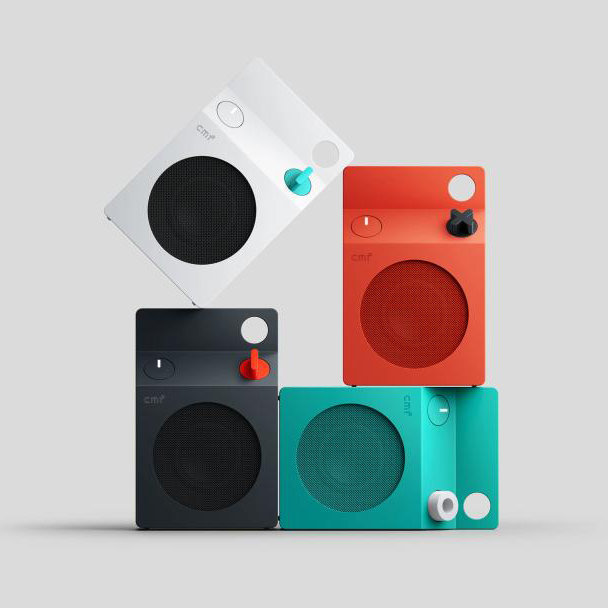
- Tuesday: Consumer electronics took center stage as CMF unveiled a milk-carton-inspired portable speaker, demonstrating that high-fidelity audio hardware can be both affordable and playfully designed.
- Wednesday: The technical threshold was raised when Joram de Haas introduced the FilaLoom project, a pioneering experiment in 3D-printed textile production.
- Thursday: A day of retrospection, as designers analyzed the Braun 1960s portable fan/heater, contrasting its timeless, minimalist interface with the over-engineered complexities of modern climate control devices.
- Friday: The focus shifted to sustainable industrial design, highlighted by Rock Wang and Agoood’s waste-reducing bottle design, alongside Toyota’s forward-thinking mobility concepts.
Supporting Data: Why These Designs Matter
The significance of these projects is not merely aesthetic; it is economic and environmental. For instance, the manual washing machine featured this week has reportedly improved the quality of life for over 100,000 people. This serves as a critical data point for the design community: in many parts of the world, "innovation" is defined by the reduction of mechanical complexity, not its increase.
Similarly, the Cellcius C-01 motorcycle concept offers a roadmap for the future of the EV industry. By focusing on "modular, scalable power," the design team addresses one of the biggest hurdles to electric vehicle adoption: battery degradation and the lack of upgradability.

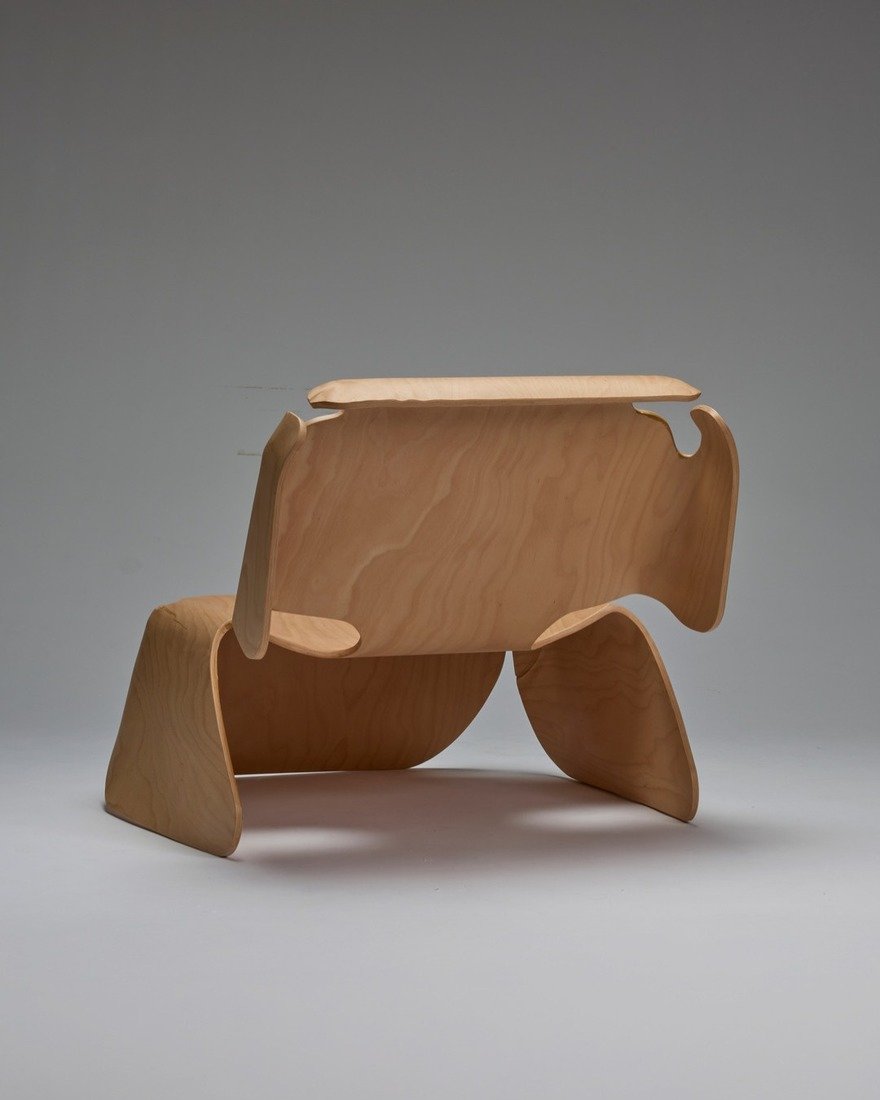
In the realm of materials science, the work of Felix Sand Sørensen at the Royal Danish Academy represents a departure from traditional wood-bending techniques. By pushing the boundaries of molded wood, Sørensen is helping to establish a new vernacular for sustainable, organic furniture design that challenges the dominance of synthetic polymers.
Official Perspectives and Industry Commentary
Design leaders are increasingly vocal about the need to balance aesthetic beauty with functional longevity.
Regarding the Braun 1960s fan/heater, design historians have noted that the "simple, beautiful interface" of the device is a masterclass in UX design. The absence of digital displays and complex menus is cited by many as the "gold standard" for intuitive hardware. As one industry commentator noted, "We have spent decades adding screens to everything. Braun reminds us that if a product is designed correctly, the user doesn’t need a manual."
On the other end of the spectrum, the Toyota mobility initiative has been lauded by disability advocacy groups and industrial designers alike. The move to release "in-action" footage of their mobility concepts indicates a shift toward radical transparency in automotive R&D. By inviting public critique of these prototypes, Toyota is attempting to ensure that future mobility is inclusive by design, rather than as an afterthought.
Implications: The Future of Industrial Design
As we synthesize the developments of the past week, several implications for the future of the industry emerge:
1. The Death of Planned Obsolescence
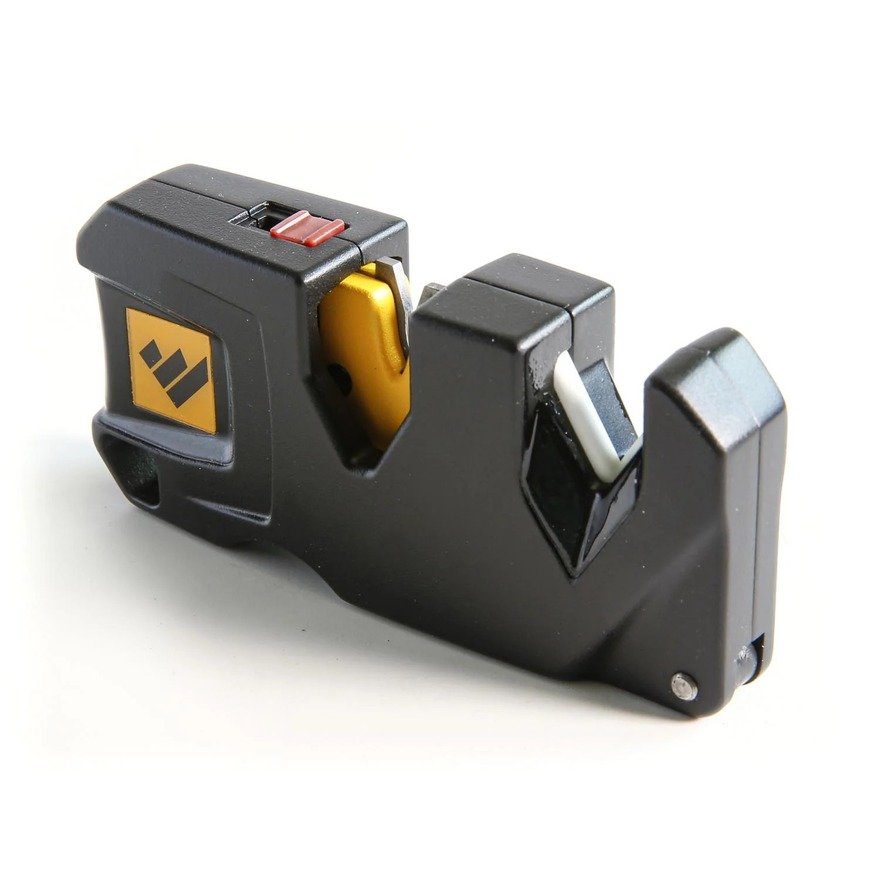
The focus on repairable and modular designs—exemplified by the Work Sharp knife sharpener and the Cellcius C-01—suggests that consumers are becoming increasingly weary of "disposable" tech. Designers who prioritize longevity and maintenance are likely to see higher brand loyalty and better long-term market performance.

2. High-Tech meets Low-Tech
The most exciting developments are happening at the intersection of these two poles. The FilaLoom project (3D-printed weaving) and the low-cost manual washing machine show that high-end computational design and low-tech, rugged engineering are not mutually exclusive. They are, in fact, complementary strategies for solving modern problems.
3. The Return to Geometric Purity
The spherical computer monitor (a nod to 1970s JVC design) and the Tachomesas (5-gallon bucket tables) demonstrate a growing appetite for geometric simplicity. In an increasingly digital and intangible world, designers are finding success by creating physical objects that possess a strong, recognizable, and tactile form.

Conclusion: A Holistic View
This week’s design highlights underscore a vital truth: the best design is often the one that disappears into the background of our lives, or conversely, the one that forces us to pause and appreciate the beauty of a well-executed mechanical process.
Whether it is the clever cantilevering of a lamp or the thoughtful engineering of a waste-reducing bottle, the underlying current remains the same: designers are moving away from the purely decorative and toward the deeply intentional. As we look ahead, the integration of 3D printing into traditional crafts and the push for truly modular electric power will likely serve as the bedrock for the next decade of industrial evolution.
The industry is in a strong position. By looking backward to the design principles of the 1960s and 70s, and forward toward the computational tools of the 2020s, the current generation of creators is building a more sustainable, more beautiful, and more functional world for us all.
For further exploration of these projects, including technical specifications and design histories, readers are encouraged to visit the individual project links provided by Core77.
About the Author