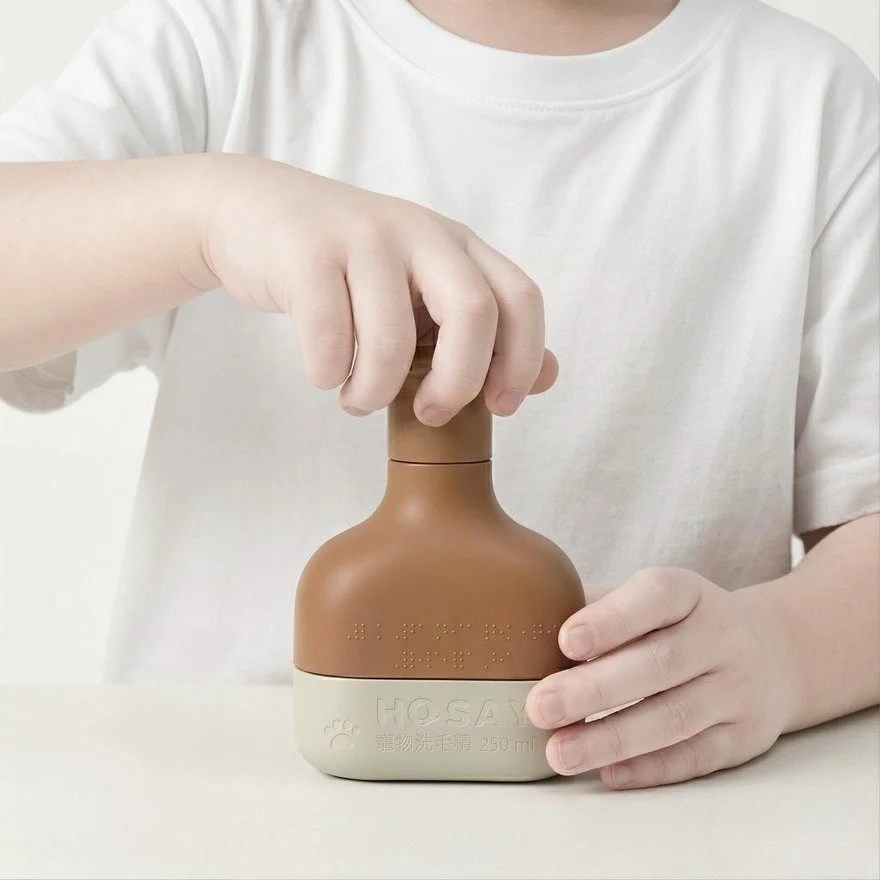
In the landscape of modern industrial design, the intersection of aesthetic utility and environmental responsibility has often been a site of compromise. Brands frequently struggle to balance the convenience of single-use plastics with the moral imperative of circularity. However, a groundbreaking collaboration between Taiwanese industrial designer Rock Wang and the design firm Agoood is challenging this paradigm. Their latest project for the Taiwanese sustainable lifestyle brand Hosay offers a masterclass in "design-led sustainability," proving that waste reduction doesn’t have to sacrifice functional elegance.
The Hosay project is not merely a collection of bottles; it is a holistic rethinking of the product lifecycle. By embedding sustainable principles directly into the architecture of the bottle, Wang and Agoood have created a system that addresses the entire supply chain—from the raw materials used in manufacturing to the ease with which a consumer can refill the vessel at home.
Main Facts: A Paradigm Shift in Packaging
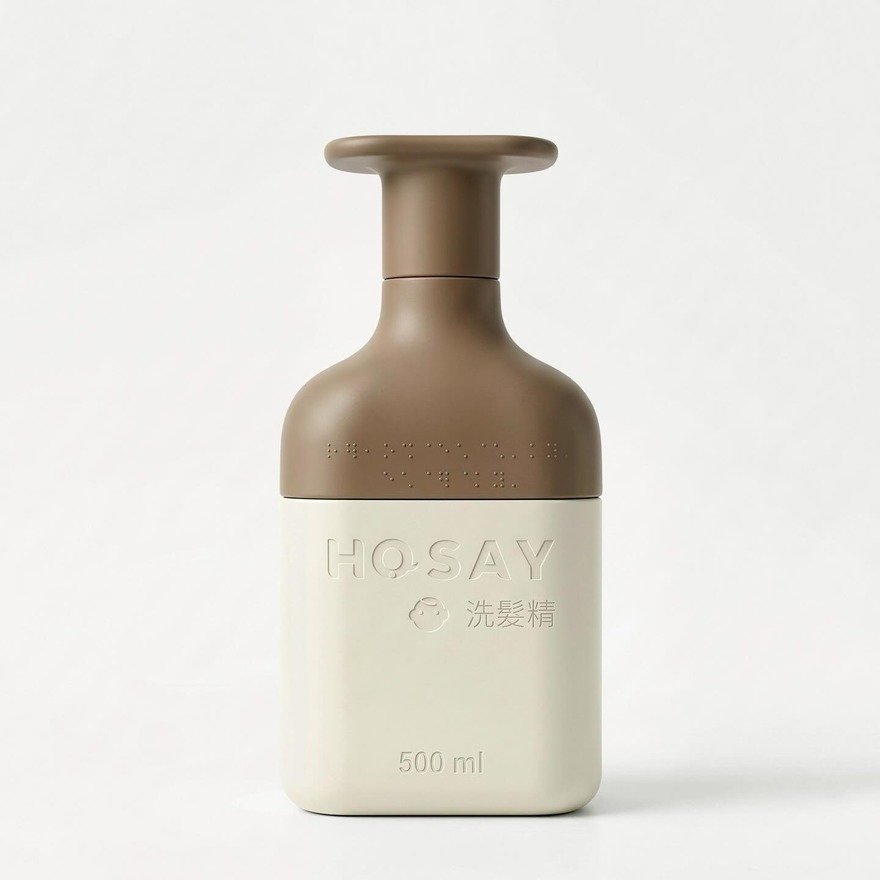
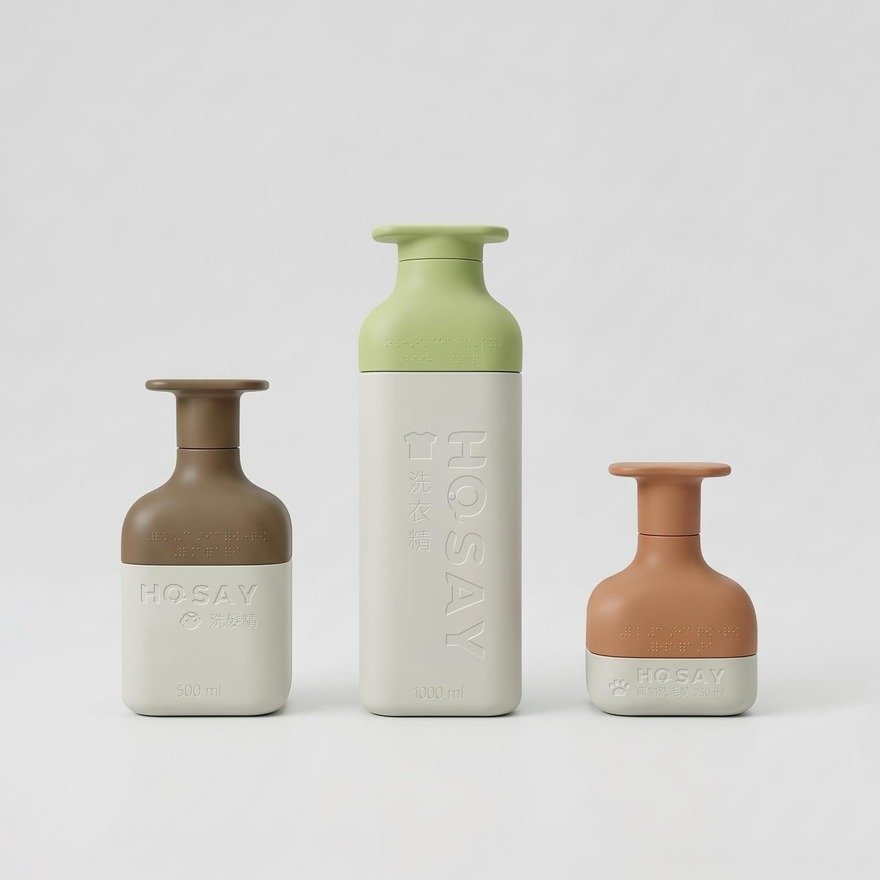
The core of the Hosay collection lies in its uncompromising commitment to the "Reduce, Reuse, Recycle" triad. The bottles, intended for a range of cleaning and bodycare products, are constructed entirely from 100% post-consumer recycled (PCR) materials. This choice of material serves as a baseline for the product’s environmental footprint, ensuring that no virgin plastic is introduced into the cycle.
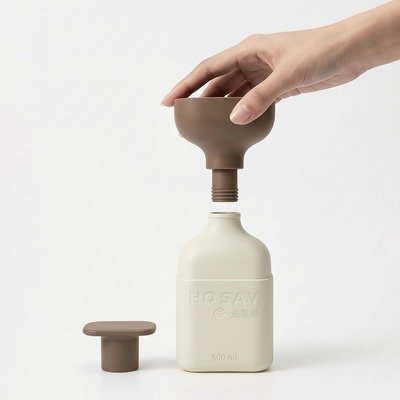
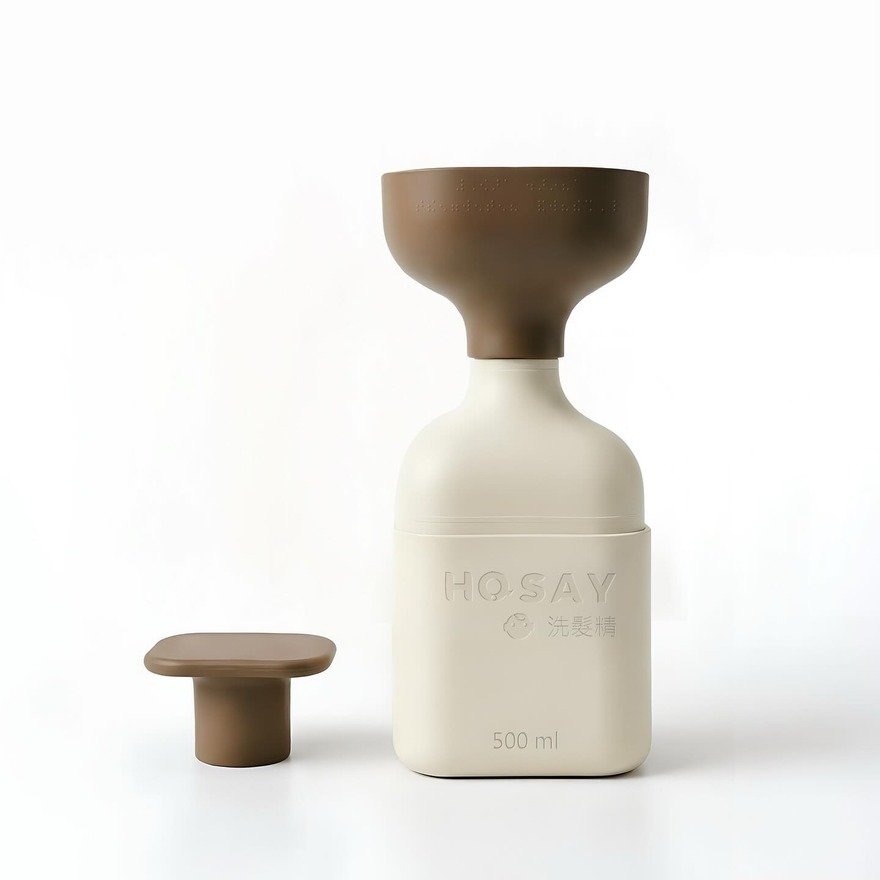
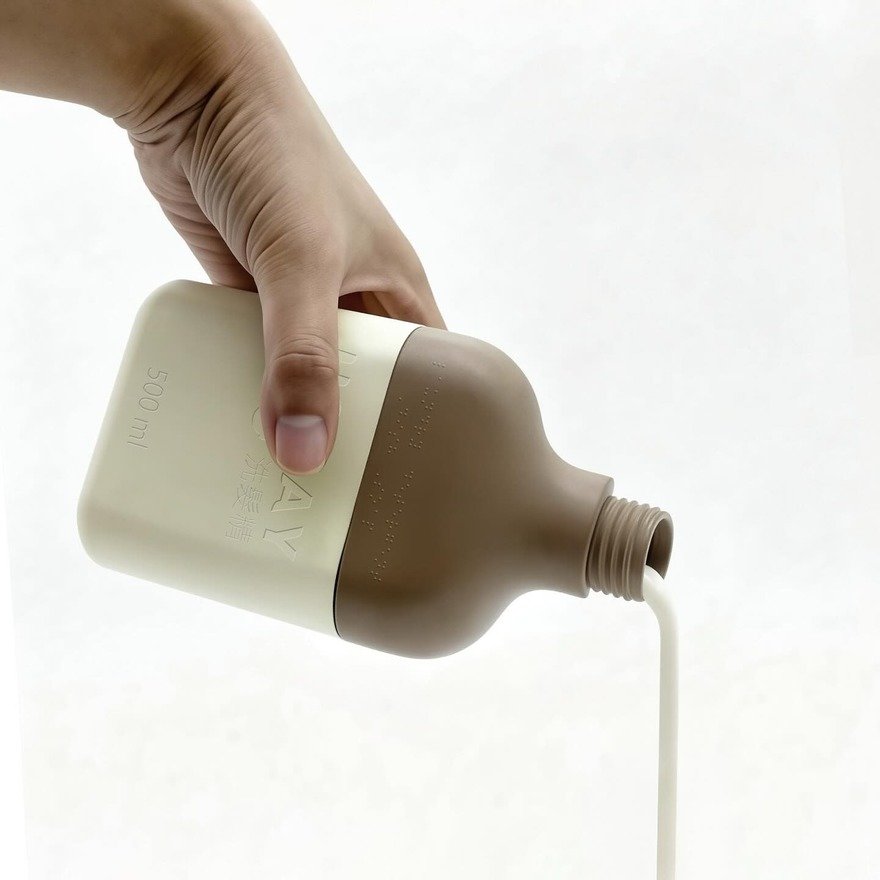
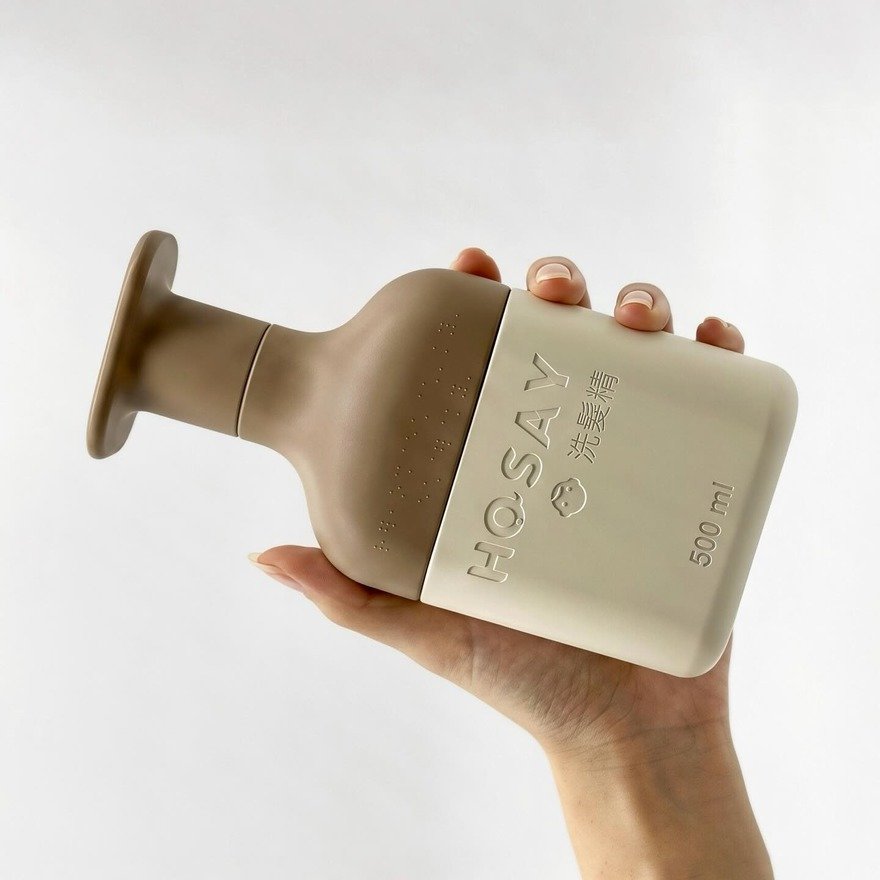
However, the true innovation is found in the physical design. The team integrated a funnel directly into the bottle cap, a simple yet profound mechanical solution to a common consumer pain point: the mess and waste associated with refilling liquid products. By removing the need for auxiliary tools, the design encourages long-term reuse. Furthermore, the bottles utilize an interlocking mechanism where the base of one bottle fits securely into the cap of another. This structural feature eliminates the need for excess protective packaging, such as bubble wrap or secondary cardboard fillers, during shipping and storage.
Chronology: From Concept to Circularity
The inception of the Hosay project was driven by a series of critical, inquisitive questions. Rather than beginning with a visual brief, Rock Wang and the team at Agoood started with a philosophical audit of the traditional product lifecycle.
Phase 1: The Inquiry
The team began by challenging the status quo of liquid product containers. Their internal brainstorming sessions were framed by a series of "what if" questions that would eventually form the DNA of the final product:
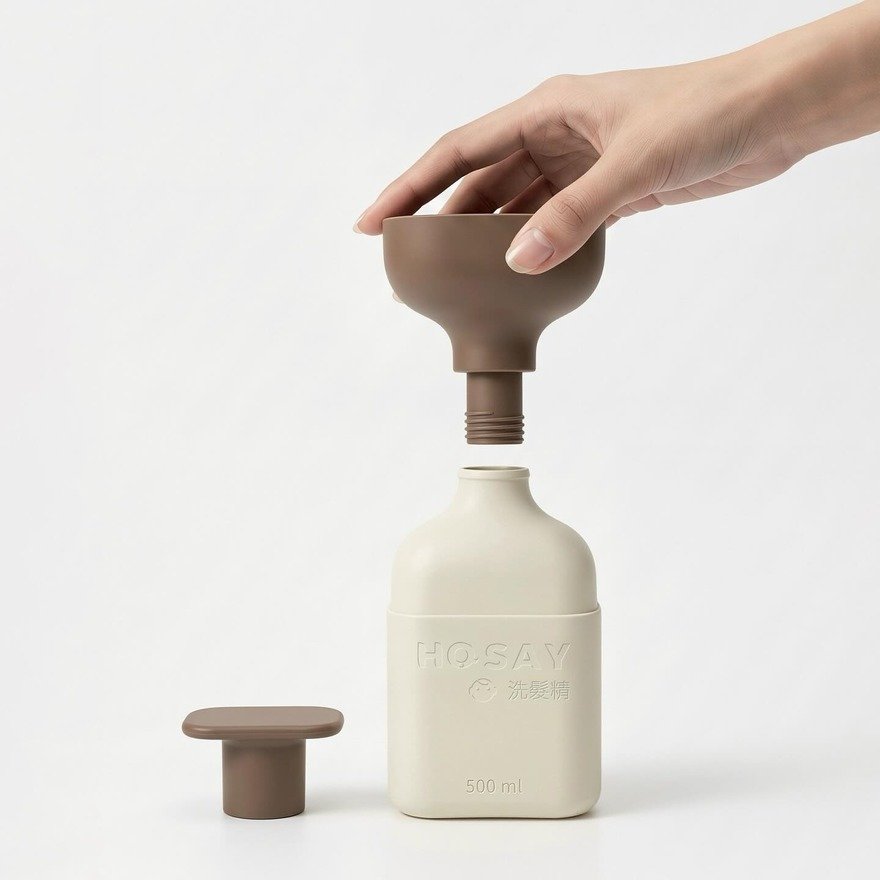
- Could the cap double as a funnel?
- Is it possible to minimize printed labeling?
- Can the bottle exist without a label?
- Can bottles of different sizes share the same outer carton?
- Can the caps and bases interlock to eliminate the need for protective packaging materials?
Phase 2: Iteration and Prototyping
Following the inquiry phase, the team moved into rapid prototyping. This period focused on the geometry of the interlocking bases and the ergonomics of the integrated funnel. The primary hurdle was achieving structural integrity while using 100% PCR plastic, which can sometimes be less uniform than virgin polymers. By adjusting wall thickness and reinforcing stress points, the team successfully created a durable vessel that feels premium despite its recycled origins.
Phase 3: Market Integration
Once the design was finalized, the project moved to manufacturing, where the focus shifted to supply chain efficiency. By standardizing the carton requirements across different bottle sizes—small, medium, and large—the team significantly reduced the brand’s logistical waste. The products were then introduced under the Hosay brand, positioned not just as cleaning agents, but as components of a permanent home ecosystem.
Supporting Data: The Mechanics of Waste Reduction
To understand the significance of this design, one must look at the data-driven advantages of the Hosay system.
Material Efficiency
The shift to 100% PCR plastic represents a significant reduction in carbon emissions compared to the production of virgin polyethylene terephthalate (PET). According to standard industry metrics, using recycled plastic can reduce energy consumption by up to 70% compared to traditional manufacturing.
Logistical Optimization
The interlocking design of the bottle base and cap is a stroke of logistical genius. Traditional shipping methods often require individual bottle wrapping to prevent transit damage. By allowing the bottles to nest into one another, Hosay has created a "self-packaging" system. This reduces the volumetric weight of shipments and eliminates the requirement for non-recyclable protective films, which often constitute the bulk of consumer packaging waste.
Labeling Minimization
The team addressed the issue of "label contamination"—the process where plastic labels make recycling a bottle difficult or impossible. By minimizing printed labels and considering labels as part of the total waste stream, the design ensures that the bottles are highly compatible with existing municipal recycling infrastructure, should they reach the end of their usable life.
Official Responses and Design Philosophy
In discussions regarding the project, the design team at Agoood and Rock Wang have emphasized that their goal was to remove the "friction" from sustainable living.
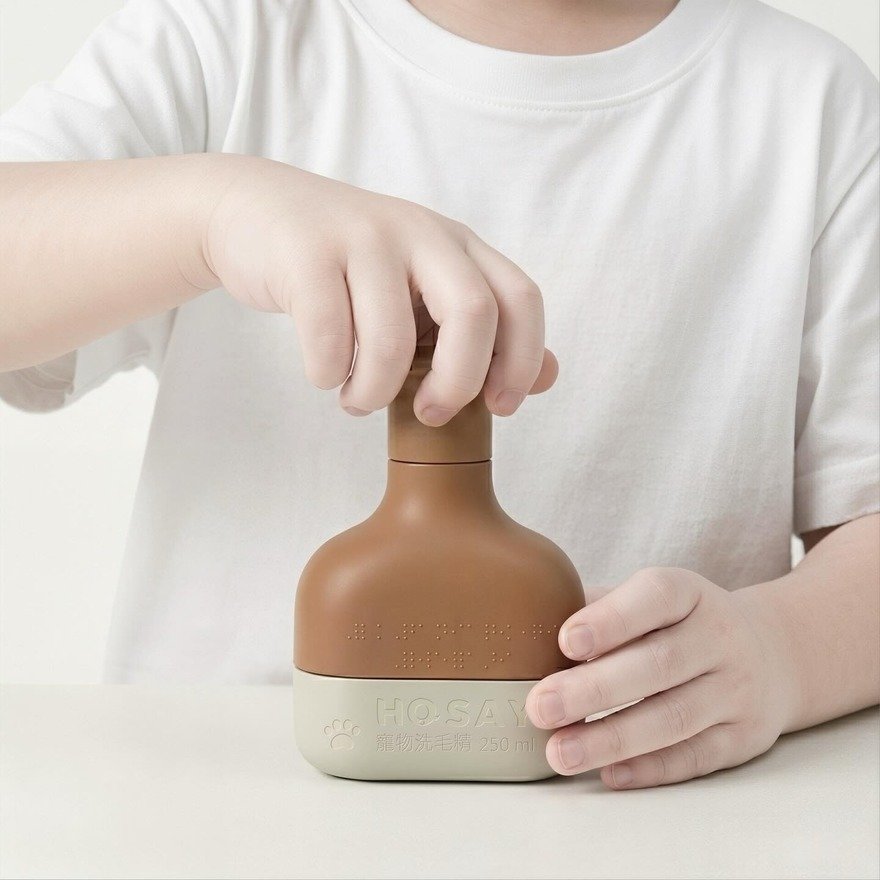
"Sustainability should not be a chore," the team noted in early project briefings. "If the process of refilling a bottle is messy or difficult, the consumer will eventually revert to single-use convenience. By integrating the funnel, we turn a messy chore into an intuitive, seamless motion. The design does the work so the user doesn’t have to."
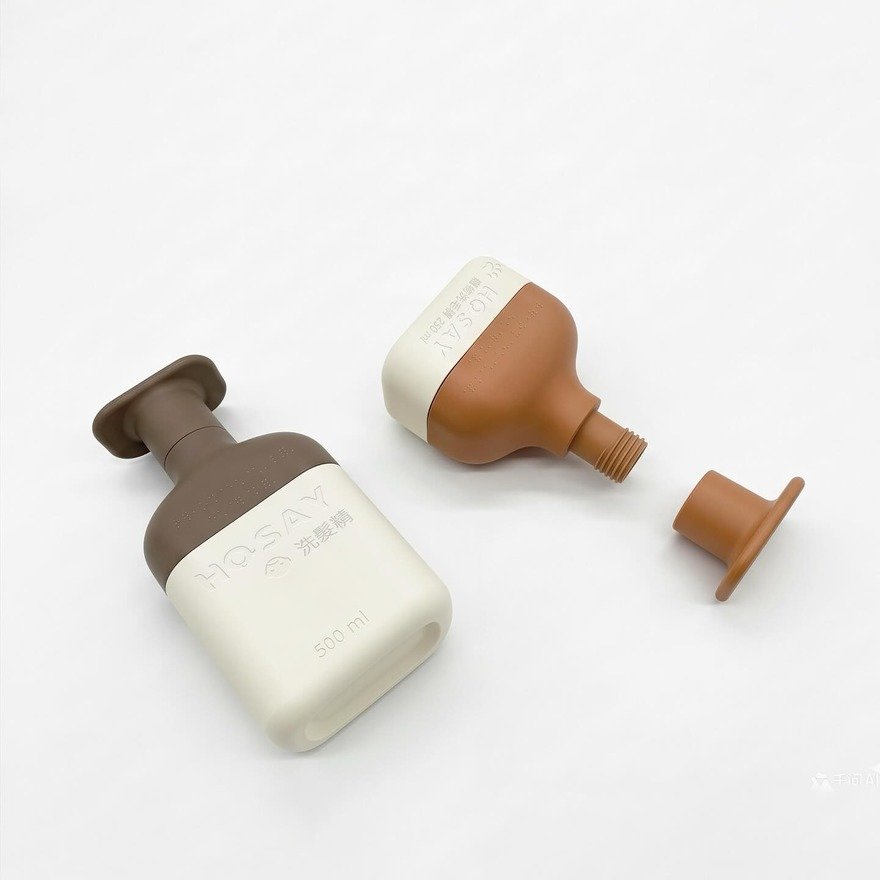
The brand Hosay has mirrored this sentiment, framing their products as "tools for the home" rather than disposable commodities. Their philosophy is rooted in the belief that if an object is beautiful and highly functional, a consumer is statistically more likely to keep it for years rather than discarding it after a single cycle.
Implications: A New Standard for Industrial Design
The Hosay collection serves as a case study for how industrial design can act as a catalyst for environmental change. The implications for the broader manufacturing sector are significant:
1. Design for Disassembly
The project encourages a move toward "Design for Disassembly." By creating parts that interlock without adhesives, Wang and Agoood have shown that manufacturers can reduce waste at both the front end (packaging) and the back end (recyclability).
2. The Role of the Designer as Strategist
This project highlights a shift in the role of the industrial designer. They are no longer just form-givers; they are systems thinkers. By asking fundamental questions about packaging, shipping, and usage, designers can influence the environmental impact of a product long before it hits the factory floor.
3. Consumer Behavior Modification
Perhaps the most powerful implication is the subtle modification of consumer behavior. When a bottle is designed to be kept and refilled, it changes the user’s relationship with the product. It ceases to be a piece of "trash" and becomes a "vessel." This psychological shift is essential for the transition to a truly circular economy.
Conclusion: The Future of Responsible Consumption
The collaboration between Rock Wang and Agoood for Hosay is a testament to the power of thoughtful, user-centric design. By meticulously analyzing every aspect of the bottle—from the cap to the carton—the team has successfully mitigated the environmental impact of a common household item.
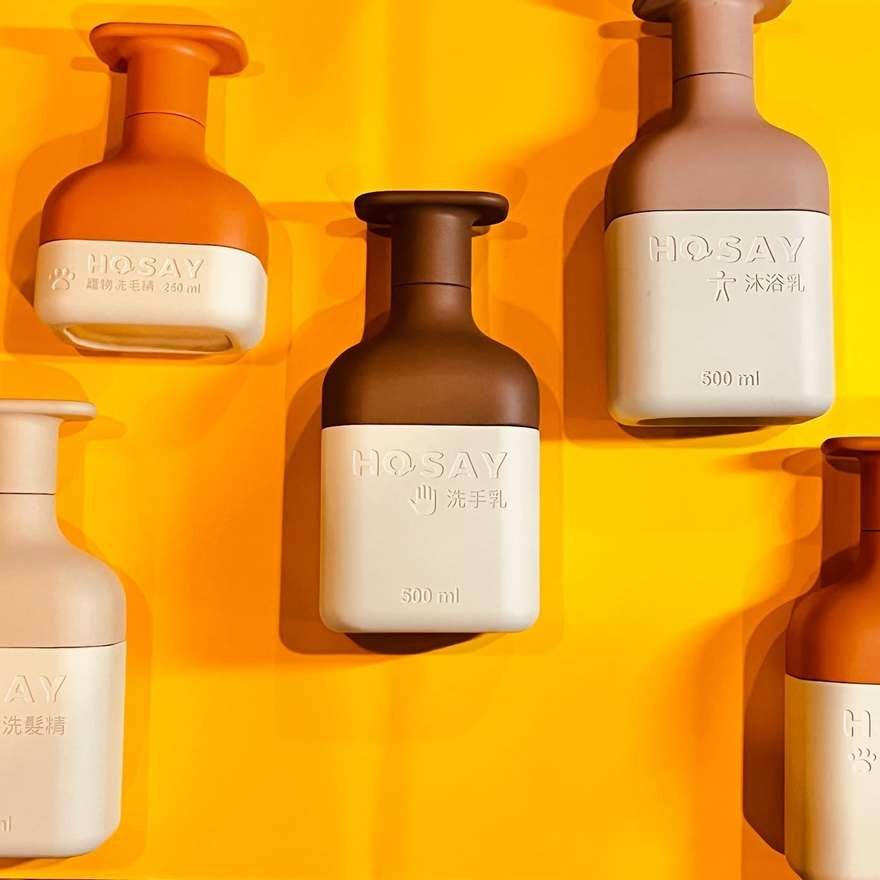
As the global market faces increasing pressure to address the plastic crisis, the Hosay model provides a viable, scalable, and elegant solution. It proves that when we design with the end in mind, we don’t just reduce waste; we elevate the quality of our daily lives. The Hosay bottle is more than a container; it is an invitation to participate in a more sustainable future, one refill at a time. Through this clever marriage of form and function, the design community has been reminded that the most radical act of sustainability is to design something that people will actually want to keep.
About the Author