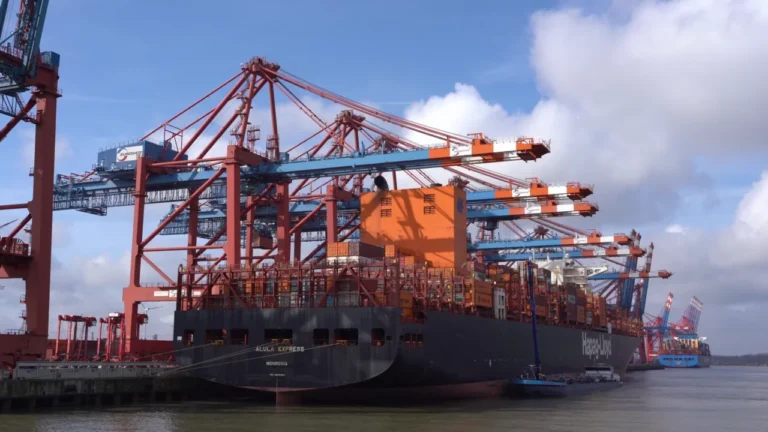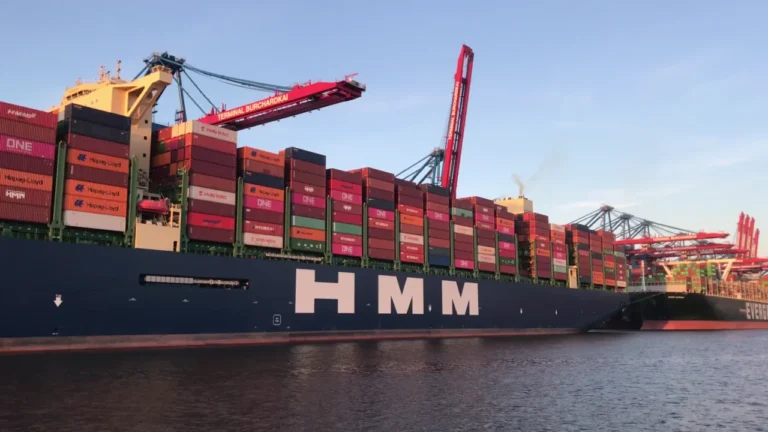
The U.S. government has signaled a continued preference for diplomatic leverage over immediate protectionist escalation, proposing an extension to the suspension of controversial port fees targeting China-linked maritime vessels. According to a notice slated for publication in the Federal Register on October 26, the Office of the U.S. Trade Representative (USTR) intends to keep the current moratorium in place through January 9, 2027.
This two-month extension, which would maintain the status quo beyond the current expiration date of November 9, 2026, represents a critical juncture in the ongoing geopolitical struggle over global shipbuilding dominance. By holding these measures in abeyance, Washington aims to preserve space for bilateral negotiations with Beijing, balancing the aggressive industrial policy goals of the current administration against the practical realities of global supply chain stability.
A Chronology of the Trade Standoff
The roots of the current maritime friction lie in a Section 301 investigation initiated during the Biden administration, spurred by a 2024 petition from the United Steelworkers and several other domestic labor organizations. The investigation concluded that Chinese state-led industrial policies—characterized by massive subsidies and market-distorting practices—had systematically eroded the competitiveness of the American shipbuilding sector.
Following the findings, the U.S. moved to implement significant financial levies on Chinese-owned, Chinese-operated, and Chinese-built vessels entering American ports. The scope of these measures was extensive, also covering specific duties on ship-to-shore cranes and essential cargo-handling equipment.
The implementation phase began on October 14, 2025, but the friction was short-lived. In a move to de-escalate tensions, the administration suspended the fees effective November 10, 2025, following a high-level trade agreement between President Donald Trump and Chinese President Xi Jinping reached in South Korea. This diplomatic "truce" saw China reciprocate by pausing its own retaliatory fees targeting U.S.-linked vessels. Consequently, the punitive charges were in effect for less than four weeks, creating a brief but disruptive window that shipping companies are eager not to see repeated.
The Shipbuilding Disparity: Data and Economic Context
The core of the conflict rests on a staggering statistical imbalance. According to data cited by U.S. lawmakers and industry analysts, Chinese shipyards currently command more than 50% of global commercial vessel production. In stark contrast, the United States’ share of the market has dwindled to approximately 0.1%.
This disparity has become a focal point for domestic economic policy. The Trump administration’s broader "Maritime Action Plan" aims to reverse this decline by generating revenue through fees on foreign-built commercial vessels. The capital generated would be funneled into a proposed Maritime Security Trust Fund, designed to revitalize the U.S. commercial shipbuilding industrial base.
The scale of these potential fees is vast. The administration has floated proposals ranging from 1 cent to 25 cents per kilogram of imported cargo. Internal estimates suggest that if the highest tier of these fees were adopted, the U.S. could generate as much as $1.5 trillion over a decade. However, these figures have sparked alarm among industry advocacy groups, who warn that such a significant tax on imports would be passed directly to the American consumer, exacerbating inflationary pressures.
Official Responses and Political Pressure
The proposal to extend the fee suspension has triggered a polarized response from Washington’s political and labor corridors.
The Legislative Pushback
Prominent lawmakers, including Senators Mark Kelly (D-AZ) and Elizabeth Warren (D-MA), have been vocal in their opposition to the continued delay. In a formal letter to U.S. Trade Representative Jamieson Greer, the senators argued that the ongoing suspension undermines the very purpose of the original Section 301 investigation.
"Section 301 port fees are critical to revitalizing U.S. shipbuilding," the senators wrote. Their argument centers on the necessity of structural protection for domestic shipyards. Furthermore, they have expressed skepticism regarding the transparency of the current negotiations, questioning what concrete concessions, if any, the administration has secured from Beijing in exchange for the suspension. Lawmakers remain concerned that without the revenue from these fees, the government’s ambitious Maritime Security Trust Fund will remain underfunded and ineffective.
The Administration’s Stance
The USTR has maintained that the extension is a calculated strategic move. In their official notice, the office stated: "The United States is continuing to engage with China with the goal of obtaining the elimination of the acts, policies, and practices at issue in the investigation." This suggests that the administration views the fees as a "sword of Damocles" to be kept hanging over Beijing, rather than a weapon to be deployed prematurely.
Implications for Global Commerce
While labor unions advocate for stricter measures, the maritime shipping industry—ranging from major carriers to international trade bodies—has breathed a sigh of relief at the prospect of a continued reprieve.
Impact on Carriers
The brief period of active fees in 2025 provided a glimpse into the potential economic fallout. U.S. carrier Matson reported incurring $6.4 million in reciprocal Chinese port fees during that short window. COSCO, the Chinese state-owned shipping giant, faced estimated annual U.S. charges of $1.5 billion. For companies operating on tight margins, such costs are prohibitive.
Andy Abbott, CEO of Atlantic Container Line (ACL), highlighted the unintended consequences of such measures. Serving the U.S.-Europe trade route, ACL faced the threat of being classified under the broad definitions of the fee structure, despite automobiles accounting for only 1% of their cargo. Abbott warned that if the fees were reinstated, carriers would be forced to reconsider their route allocations, potentially diverting vessels away from U.S. ports to more lucrative trade corridors, including the high-volume China-to-Europe lanes.
Industry-Wide Concerns
The International Chamber of Shipping (ICS) and the World Shipping Council have both lobbied for a permanent resolution rather than a series of short-term suspensions. They warn that the current climate of "regulatory uncertainty" is harmful to international trade. Even as the ICS acknowledges the domestic desire to build up U.S. shipbuilding capacity, they maintain that a broad-based fee system—as outlined in the broader Maritime Action Plan—would fundamentally disrupt global logistics and increase the cost of goods for importers and exporters alike.
The Path Forward: Public Comment and Uncertainty
As the U.S. prepares to finalize the two-month extension, the situation remains fluid. The USTR is currently soliciting public feedback, with a deadline set for 5:00 p.m. Eastern Time on October 30, under docket USTR-2026-0694. Stakeholders ranging from labor unions to global logistics conglomerates are expected to flood the docket with arguments for and against the policy.
The current proposal leaves a critical question unanswered: Will China follow suit? While the U.S. is pushing for an extension, there has been no formal commitment from Beijing to continue its own suspension of retaliatory fees. Should the U.S. finalize the extension without a reciprocal guarantee, the maritime industry faces the prospect of an asymmetric trade environment, where U.S. ships may continue to face penalties in Chinese ports while Chinese ships enjoy a reprieve in the United States.
Ultimately, the administration is walking a tightrope. The challenge is to foster a domestic industrial renaissance in shipbuilding without triggering a trade war that could lead to the fragmentation of global shipping routes. Until a more permanent diplomatic framework is established, the maritime industry must prepare for a future defined by two-month increments of uncertainty.
About the Author