For the modern chief executive, the office is no longer just a place of high-stakes decision-making; it is a crucible of physiological strain. As the pressures of global markets, digital transformation, and constant connectivity mount, the traditional "executive lifestyle"—characterized by trans-Atlantic flights, erratic sleep schedules, and a neglect of physical maintenance—is increasingly being viewed as a liability rather than a badge of honor.
At the heart of this shift is the Mayo Clinic’s Executive Health program. As the institution prepares to open its expansive 75,000-square-foot facility in Rochester, Minnesota, this July, the message is clear: The health of a CEO is not a personal matter; it is a core business imperative.
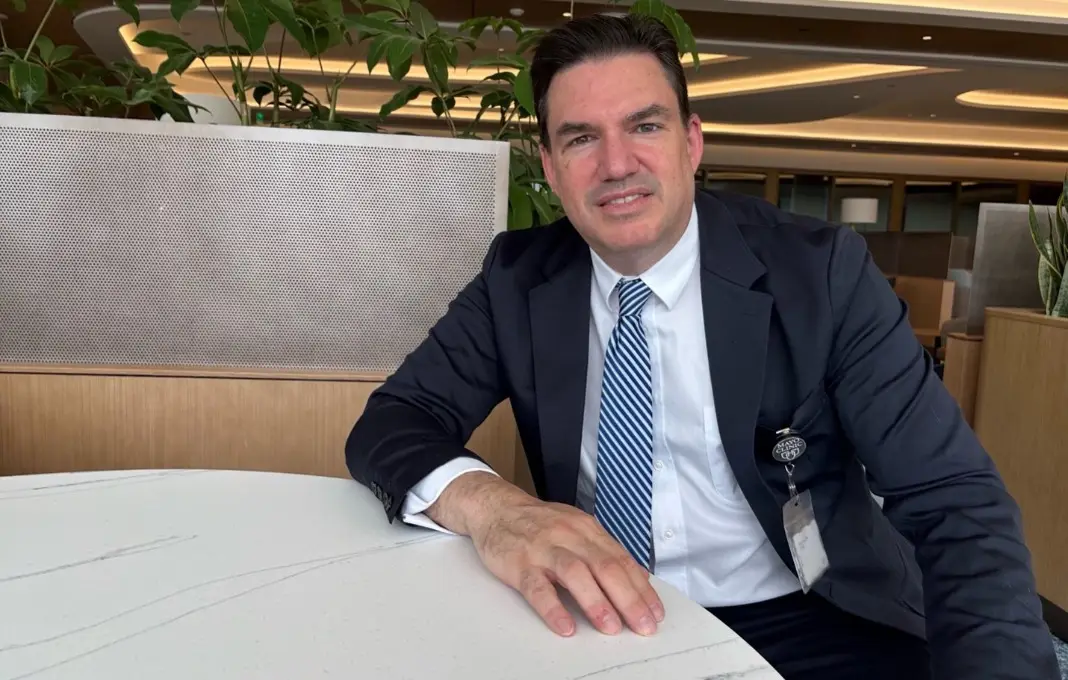
"The health of the leadership is inextricably linked to the health of the organization," says Dr. Ryan T. Hurt, M.D., Ph.D., a professor of medicine and division chair of general internal medicine at Mayo Clinic. For over a decade, Dr. Hurt has treated the C-Suite, applying a synthesis of clinical nutrition, physiology, and preventive medicine to those who hold the most demanding roles in the corporate world.
The Evolution of the Executive Patient
The demographic of the "executive patient" is undergoing a profound transformation. Historically, many senior leaders viewed medical intervention as a last resort, a reactive necessity reserved for acute crises. This was particularly true of the Greatest Generation, who often harbored a deep-seated, depression-era skepticism of medical institutions.
However, as the boomer generation transitions into retirement and a new, younger cohort of executives takes the helm, a pivot toward proactive longevity—or "healthspan"—has emerged.
"Many CEOs are becoming more aware of health and longevity," Dr. Hurt notes. "They want to learn how they can live longer, healthier lives. The challenge is that there is a lot of misinformation out there—practices that aren’t necessarily evidence-based, such as the use of non-FDA approved peptides or unverified hormonal injections."
The role of the physician, therefore, has shifted from mere gatekeeper to a navigator of complex, often misleading, wellness trends. In a standard 90-minute intake appointment, Dr. Hurt often spends significant time deconstructing the "bio-hacks" his patients have read about in forums or heard about from peers.
The Three Pillars of Executive Longevity
Despite the influx of high-tech diagnostics and wellness gadgets, Dr. Hurt argues that the most effective interventions remain rooted in foundational biology. His advice to CEOs is rarely about secret supplements; it is about mastering the "Big Three": muscle maintenance, metabolic fueling, and circadian hygiene.
1. The Resistance Training Gap
While many executives pride themselves on their aerobic capacity—often logging miles on the treadmill or the pavement—they frequently neglect the most significant indicator of longevity: skeletal muscle mass.
"Most of my CEOs are doing a ton of aerobic exercise, but virtually none of them are doing dedicated resistance training," Dr. Hurt explains. His recommendation is non-negotiable: 90 to 120 minutes of resistance training per week.
The mechanism is simple but vital. Muscle is the body’s metabolic engine. As we age, sarcopenia (muscle loss) accelerates, which is directly correlated with increased frailty and mortality. By incorporating dumbbells or resistance bands—even during Zoom calls—executives can preserve functional strength, improve glucose metabolism, and reduce their percentage of body fat.
2. Nutritional Precision
"Most people are doing protein wrong," says Dr. Hurt. For the high-performing professional, nutrition is often treated as an afterthought, relegated to airport lounges or late-night dinners. Dr. Hurt prescribes a specific, actionable protocol: 1 to 1.2 grams of protein per kilogram of body weight, spread consistently throughout the day.
Coupled with a fiber intake of 25 to 30 grams per day, this regimen stabilizes blood sugar and energy levels, preventing the "afternoon slump" that often leads to poor decision-making and reliance on caffeine or sugar.
3. The Sleep Imperative
Perhaps the most difficult barrier to break is the "five-hour sleep" myth. In corporate culture, sleep deprivation is frequently romanticized as a sign of dedication. Dr. Hurt is quick to debunk this, noting that genetically, only 1 to 2 percent of the population can function optimally on five hours of sleep.
"The problem with CEOs is that they go to bed late, wake up multiple times at night, and often can’t get back to sleep because they are ruminating on meetings or crises," he says. Insomnia is a pervasive occupational hazard in the C-Suite, necessitating a clinical, data-driven approach to sleep hygiene.
Data, Wearables, and the Future of Preventive Care
Dr. Hurt is an advocate for the judicious use of wearable technology. Devices like the Oura Ring or Apple Watch are not just gadgets; they are diagnostic tools that provide a window into an executive’s physiological reality.
"I love wearables. I’ve researched a ton of them," says Dr. Hurt, who has authored multiple peer-reviewed papers on the subject. He uses this data to screen for hidden issues, such as obstructive sleep apnea, which often goes undiagnosed in busy, high-stress individuals.
The Mayo Clinic is currently pushing the boundaries of this technology by exploring AI agents that can ingest wearable data to provide personalized, real-time health recommendations. This represents the future of executive medicine: a continuous, data-informed feedback loop that allows for micro-adjustments in lifestyle before a major health event occurs.
Why Current Healthcare Systems Fail the Executive
One of the primary reasons executives turn to specialty programs like Mayo Clinic’s is the failure of the traditional primary care model. In a standard 15-minute appointment, a physician is often forced to focus entirely on acute symptoms—pain, blood pressure, or diabetes management. There is simply no time for the preventative, holistic, or longitudinal work required to optimize a patient’s healthspan.
"We cut out all the preventative stuff because we have to address the immediate medical issues," Dr. Hurt explains. "And then we write a prescription that gets you out the door."
In contrast, the Executive Health program’s 90-minute model allows for deep dives into family history, genomic predispositions, and the preventative screening of early-onset diseases. This includes crucial, often overlooked screenings like the Grail test for cancer markers or age-adjusted colonoscopies, which have been moved up to age 45 due to changing epidemiological data.
Implications: The "CEO Health" Multiplier Effect
The ultimate implication of Dr. Hurt’s work is the realization that the CEO’s physical health is a component of the corporate culture. A leader who is sleep-deprived, physically depleted, and chronically stressed is less capable of the empathy, foresight, and resilience required to guide a team.
"CEOs who take good care of themselves tend to take better care of those around them as well," Dr. Hurt notes. When a leader prioritizes their health, it signals to the rest of the organization that wellness is a legitimate business asset rather than a distraction.
For the CEO, the path forward is not found in a pill or a trend-driven medical intervention. It is found in the discipline of resistance training, the consistency of protein intake, the non-negotiable requirement of quality sleep, and the engagement with a medical system that treats the individual as a whole.
As the new Mayo Clinic facility prepares to open its doors, it serves as a monument to a shifting paradigm. The goal is no longer just to keep executives alive; it is to keep them capable, alert, and healthy for the long haul. In the high-stakes world of the C-Suite, the most valuable asset a company has is the sustained performance of its leader. Maintaining that asset is, quite literally, the most important business decision a CEO will ever make.
About the Author