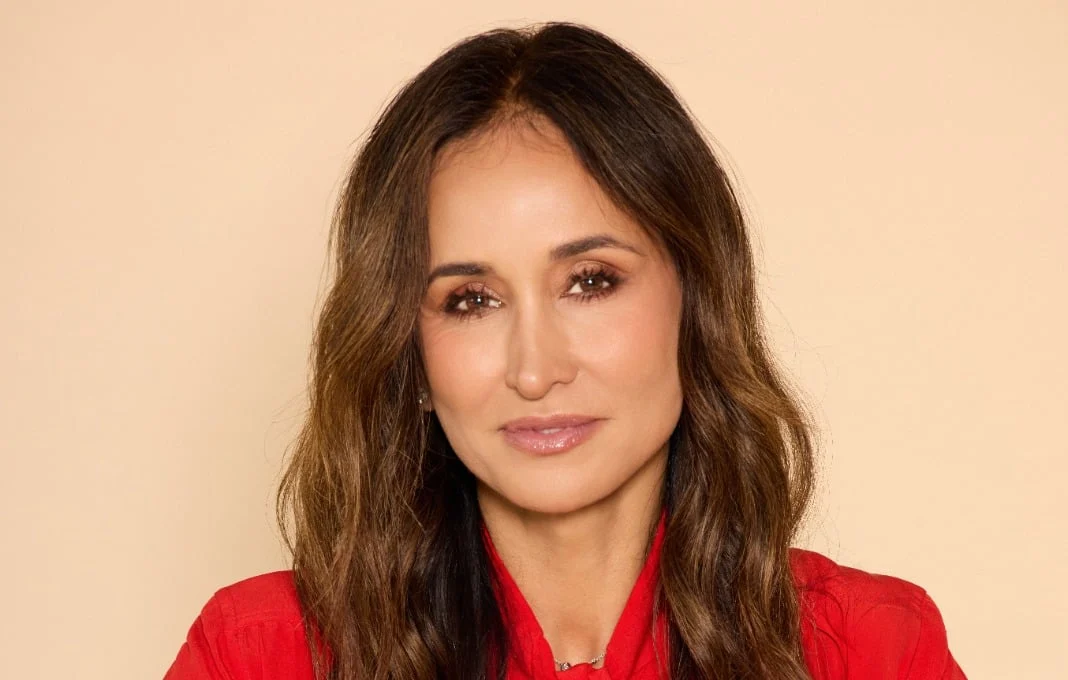
In the annals of real estate history, the year 2008 is remembered as the epicenter of the Great Recession—a time when credit markets seized, property values plummeted, and confidence in the housing sector vanished. Yet, it was in this climate of profound economic uncertainty that Peggy Olin saw an opportunity. While others retreated, Olin launched OneWorld Properties, a firm that would not only survive the downturn but would ultimately play a pivotal role in the architectural and economic renaissance of Miami.
Today, Olin’s firm stands as a titan of the South Florida market, having surpassed $4 billion in residential sales. By bridging the gap between global investors and high-end developers, Olin has transformed Miami from a regional vacation hotspot into a premier global gateway city.
The Genesis: Launching Against the Tide
Olin’s decision to enter the brokerage business during a financial crisis was, by conventional wisdom, counterintuitive. However, her foresight regarding the pre-construction luxury condominium market allowed her to capitalize on a shift that many observers missed. She recognized that the appetite for high-end, design-driven properties remained robust among international investors who viewed Miami not as a risky gamble, but as a safe harbor for long-term capital.
"My career in real estate began more than two decades ago," Olin reflects. "I founded OneWorld Properties with the intention of challenging the traditional brokerage model. We wanted to build a company that worked hand-in-hand with world-class developers to bring design-driven, luxury projects to market."
This collaborative approach—acting as a partner to developers rather than just a sales agent—allowed OneWorld Properties to influence the very DNA of Miami’s skyline. By focusing on the buyer experience and strategic curation of inventory, Olin’s firm ensured that the projects they represented were aligned with the evolving tastes of a sophisticated, international clientele.
Chronology of a Market Leader
The growth trajectory of OneWorld Properties is a testament to Olin’s strategic patience and market intelligence. Since its inception in 2008, the firm has systematically expanded its footprint, moving from a boutique local operation to a global powerhouse with a physical presence in Miami, Fort Lauderdale, Shanghai, Beijing, and Shenzhen.
- 2008: Foundation of OneWorld Properties during the global financial crisis, focusing on luxury pre-construction.
- 2010s: The firm plays a critical role in the revitalization of downtown Miami, helping to sell out high-density projects that reshaped the urban landscape.
- 2020s: Global outreach intensifies, with a heavy emphasis on Asian capital markets and Latin American investors seeking tax-efficient, high-yield assets.
- 2026 Projections: The firm is set to close $1.275 billion in inventory within a single year, a milestone that underscores the sheer scale of its current operations.
Recent successes, such as the rapid sell-out of The Crosby and the 600 Miami Worldcenter project, serve as case studies in how Olin leverages market trends to move inventory at an unprecedented pace. The trust established between Olin and her clients has created a flywheel effect: as she delivers on high-end, design-centric projects, more developers seek her firm to represent their most ambitious ventures.
Supporting Data: The Anatomy of a $4 Billion Firm
The numbers behind OneWorld Properties offer a compelling narrative of sustained success. Having surpassed $4 billion in total residential sales, the firm’s reach extends to buyers from more than 60 countries. This diversity of origin is a deliberate result of Olin’s international strategy.
The firm’s performance in 2026 alone provides a snapshot of its current dominance:
- Total Expected Inventory Closure: $1.275 billion.
- Primary Sales Drivers: $675 million from key projects including The Crosby, 501 First, and Flow House.
- Secondary Pipeline: An additional $600 million in inventory slated to close throughout the remainder of the year.
These figures are not merely anecdotal; they represent a fundamental shift in the Miami real estate market. The city has transitioned from a seasonal market to a primary residence and investment hub for the global elite.
The Global Investor’s Perspective
When asked about the surge in international interest, particularly from Asia and Latin America, Olin highlights the "gateway city" phenomenon. "Miami’s appeal to international buyers stems from its evolution into a global hub," she explains. "Compared to major cities like London, New York, or Hong Kong, Miami offers prime real estate at a more compelling price point, combined with a superior tropical climate and highly favorable tax structures."
Olin’s frequent global travel, particularly to Asian markets, has been instrumental in her success. She argues that the "Western" approach to real estate—often focused on short-term flipping—is fundamentally different from the approach taken by Asian investors.
"Buyers from Asian markets view real estate through a long-term lens," Olin notes. "They prioritize stability, inherent value, and global relevance. By understanding this, we have been able to tailor our positioning to match their investment goals."
Meanwhile, the Latin American contingent remains the backbone of the Miami market. For these investors, Miami serves as the primary gateway to the United States, offering a blend of business connectivity and geographic proximity that no other American city can replicate.
Leadership in a Male-Dominated Arena
Breaking into the upper echelons of the real estate development and brokerage world is an arduous task for any entrepreneur, but Olin has navigated this as a woman in a traditionally male-dominated industry. Her journey has been defined by a commitment to persistence and the cultivation of a strong professional network.
"Being a leader comes with a unique set of challenges," Olin says. "Navigating stereotypes and establishing a voice in this field requires confidence. I’ve learned that a strong support system is key to overcoming obstacles."
Olin remains an advocate for the growing number of women in leadership roles within real estate. She views the increased representation of women not just as a matter of equity, but as a necessity for the industry’s evolution. "Celebrating these successes is vital for inspiring the next generation. While there is still more progress to be made, the advancements we’ve seen in recent years are incredibly encouraging."
Implications: The Future of Miami’s Skyline
What lies ahead for OneWorld Properties? Olin describes a future defined by continued expansion and a commitment to setting new standards for innovation. As Miami’s landscape continues to evolve, the demand for "thoughtfully designed, high-end projects" is only expected to increase.
Olin is currently exploring new ventures that aim to challenge the firm both creatively and professionally. By deepening collaborations with world-class developers, OneWorld Properties intends to move beyond traditional sales and further influence the architectural and service-related standards of the luxury residential market.
"At the end of the day," Olin concludes, "our goal is to help set new standards for service, design, and innovation. We aren’t just selling real estate; we are selling the lifestyle and the future of Miami as a global capital."
As Miami continues its ascent on the world stage, the story of Peggy Olin and OneWorld Properties serves as a roadmap for success. By recognizing the intrinsic value of Miami’s unique geography and culture during the darkest days of the financial crisis, Olin didn’t just build a business—she helped build the city itself. Whether through the strategic attraction of global capital or the meticulous management of record-breaking inventory, Olin’s influence on the skyline is as permanent as the glass and steel that now define the Magic City.
About the Author