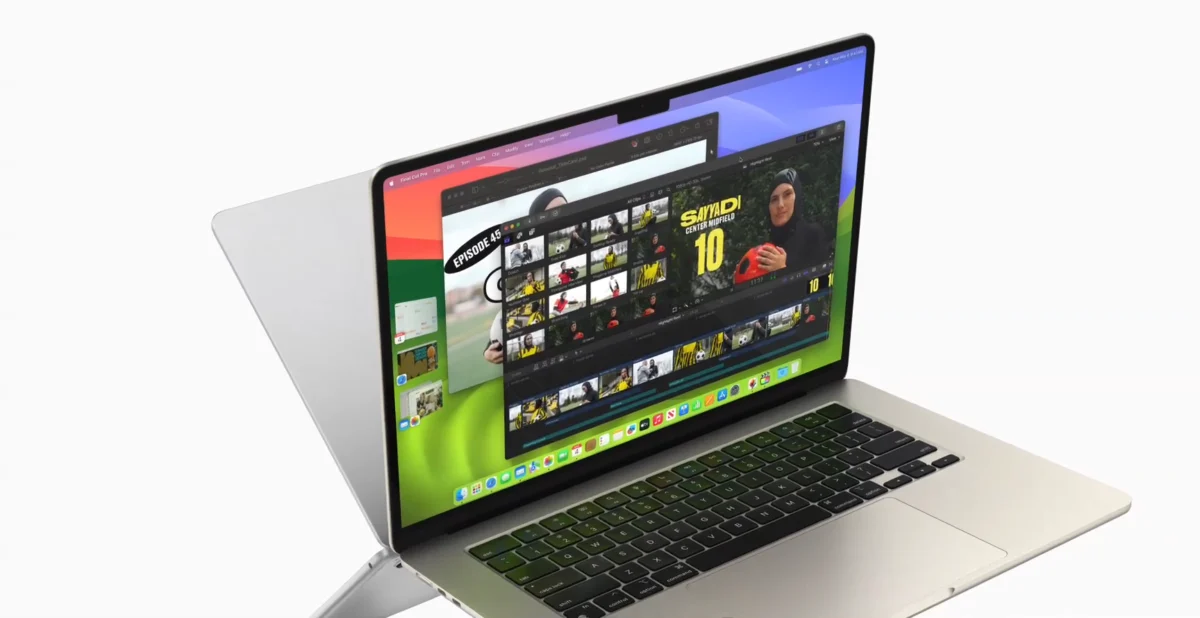
The global technology landscape is currently grappling with a severe supply chain bottleneck that strikes at the heart of consumer hardware. Apple, a company long heralded for its masterclass in supply chain logistics, is currently facing significant headwinds. According to industry analyst Mark Gurman, Apple’s most popular laptop—the MacBook Air—is suffering from acute stock shortages driven by a global memory chip deficit. This crisis, while initially confined to Apple’s high-performance, niche workstation products, has now migrated to the company’s volume-leader, signaling a deepening structural issue within the semiconductor industry.
The Main Facts: A Widening Shortage
The core of the issue lies in the insatiable demand for high-bandwidth memory (HBM) and specialized DRAM chips required by the burgeoning Artificial Intelligence sector. As major tech conglomerates race to build out massive data centers and train large language models, the manufacturers of these specialized chips have prioritized these high-margin orders, leaving the consumer laptop market scrambling for supply.
For the average consumer, this translates to tangible frustration. Customers attempting to purchase a MacBook Air directly from Apple’s online storefront are currently facing lead times stretching into late August, with custom configurations pushed back as far as September. This represents a significant deviation from Apple’s historical ability to maintain robust inventory levels, even during periods of global supply chain instability.
Chronology of the Crisis
To understand the current state of affairs, one must look at the timeline of events that led to this systemic tightening of the supply chain.
Early 2026: The Initial Niche Impact
The first cracks in the system appeared earlier this year, affecting Apple’s professional-grade hardware. The Mac mini and Mac Studio, which utilize sophisticated memory architectures to support their high-performance computing capabilities, began to experience fluctuating availability. At the time, industry experts largely dismissed this as a temporary hiccup, assuming Apple would reallocate resources to mitigate the impact.
Late Q2 2026: Rising Costs and Strategic Shifts
By June 2026, the situation had evolved. Recognizing the long-term nature of the chip shortage, Apple made the controversial decision to raise prices across its Mac and iPad lineups. This move served two purposes: it helped insulate the company against rising component costs and acted as a demand-side throttle. During this period, Apple also delayed its perennial "Back to School" promotion, a cornerstone of its third-quarter revenue strategy, signaling that inventory levels were not sufficient to support a massive promotional push.
August 2026: The MacBook Air Bottleneck
By early August, the shortage reached the MacBook Air. With retailers across the globe reporting constrained supply, the issue has shifted from a professional workstation problem to a mass-market retail crisis. The current state is defined by long lead times and a strategic pivot in marketing, where Apple is now aggressively pushing the MacBook Pro base model to consumers who might otherwise have opted for the more portable Air.
Supporting Data and Industry Dynamics
The current shortage is not a failure of Apple’s planning but rather a reflection of the "AI Gold Rush." Data suggests that the primary drivers of this supply crunch are the major players in the cloud computing space—firms like Microsoft, Google, and Amazon—who are buying up vast quantities of memory chips to fuel their AI server farms.
The Memory Chip Market
Semiconductor manufacturers are operating at near-full capacity. However, the transition to newer, faster memory standards required by AI accelerators has created a mismatch in production. While consumer-grade memory is still being produced, it is no longer the priority for fabrication plants (fabs) that have seen their yields and profit margins skyrocket by pivoting toward high-performance AI components.
Apple’s Supply Chain Pivot
In an attempt to normalize supply, Apple has begun diversifying its supplier base. Reports indicate that the tech giant is actively engaging with Chinese memory suppliers to fill the gap left by traditional tier-one vendors. While this strategy is intended to bolster inventory, it introduces a new layer of complexity regarding quality assurance, geopolitical trade regulations, and international supply chain standards.
Official Responses and Strategic Marketing
Apple’s response has been characteristically subtle but highly strategic. Rather than issuing a formal press release acknowledging a "shortage," the company has integrated the reality of the situation into its sales ecosystem.
The "Availability Warning"
For the first time in recent memory, Apple’s marketing materials for the MacBook Air include an explicit disclaimer: "MacBook Air subject to availability." This is a significant move for a company that prides itself on seamless consumer experiences. By tempering expectations at the point of sale, Apple is attempting to manage consumer sentiment and prevent the brand damage that comes with cancelled orders.
The Shift to MacBook Pro
Perhaps the most telling indicator of the shortage is the shift in promotional focus. In past cycles, the MacBook Air was the star of the Back-to-School season. Now, all primary marketing channels are being diverted toward the MacBook Pro. By encouraging users to "upsell" themselves to the Pro model—which currently enjoys more stable inventory levels—Apple is effectively managing its supply chain through consumer behavioral modification.
Implications for the Future
The current MacBook Air crisis serves as a case study for the broader tech industry as it navigates the transition to an AI-centric economy.
The End of the "Just-in-Time" Era
For decades, Apple’s supply chain was the gold standard for "just-in-time" manufacturing, minimizing inventory costs by ensuring components arrived exactly when needed. The current shortage suggests that this model may no longer be viable in an era of extreme technological volatility. We are likely to see a shift toward larger, more expensive stockpiles of critical components, which could lead to permanently higher hardware prices for consumers.
Impact on Consumer Pricing
As long as the demand for AI-specific silicon continues to outpace supply, hardware manufacturers will have no choice but to pass these costs down to the consumer. The price hikes enacted in June 2026 may be just the beginning. If the cost of memory chips remains at a premium, the era of the "affordable" high-performance laptop may be drawing to a close.
Geopolitical and Ethical Considerations
Apple’s reliance on new Chinese suppliers to circumvent the memory shortage raises questions about the long-term stability of the tech industry. As the U.S. and China continue to engage in a "chip war," Apple finds itself in the crosshairs, forced to balance its need for parts against a complex web of trade restrictions and ethical labor concerns.
Conclusion: A New Normal?
The current shortage of MacBook Airs is a symptom of a much larger, global transformation. As Artificial Intelligence becomes the primary engine of the global economy, the hardware that powers it—and the components required to build that hardware—will continue to face intense competition.
For the average student or professional waiting for their new laptop, the late-summer delay is an inconvenience. For the technology industry, however, it is a harbinger of a new era. In this era, the most precious resource is not just the software that runs on our devices, but the silicon memory required to make them think, calculate, and connect. Apple’s ability to navigate this crisis without alienating its customer base will be the defining challenge of the company’s next fiscal year. As we move toward the final quarter of 2026, the world will be watching to see if Apple can resolve the "Air" deficit, or if this marks a permanent shift in how we buy and value the tools of our digital lives.
About the Author