In the shadow of the Lassen Peak volcano, the scent of pine needle duff and damp earth is, for Stephen Young, more than just a sensory experience—it is a map. As a 26-year-old traditional Maidu basket weaver, Young has spent years learning the unspoken language of the forest. He can identify the location of bracken ferns—a vital material for his craft—by the subtle shift in air moisture and the quality of the light filtering through the canopy. Yet, for Young and many other Native American practitioners across California, this connection to the land is increasingly fraught with peril.
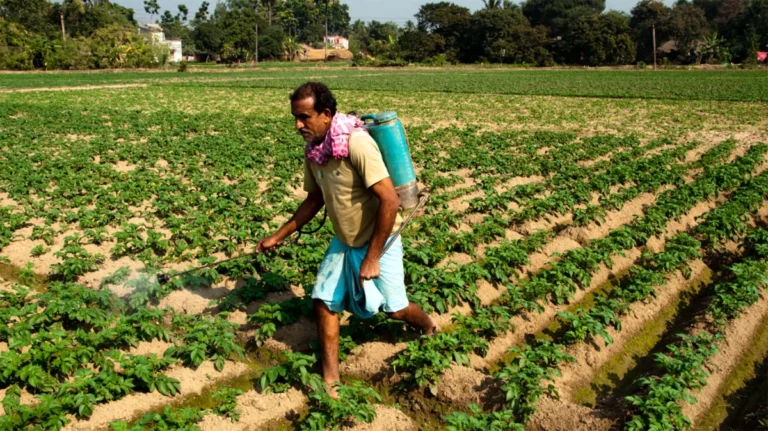
Beneath the serene beauty of the state’s woodlands, a chemical conflict is brewing. The US Forest Service, tasked with managing these public lands, has significantly ramped up the use of glyphosate—the active ingredient in the herbicide Roundup—and other chemical agents. For the Forest Service, these applications are a pragmatic tool to suppress native vegetation that competes with replanted timber saplings. For the Maidu, the Karuk, and other Indigenous nations, this spraying is an existential threat to their culture, their religious practices, and their physical health.
The Mechanized Forest: A Policy of Chemical Control
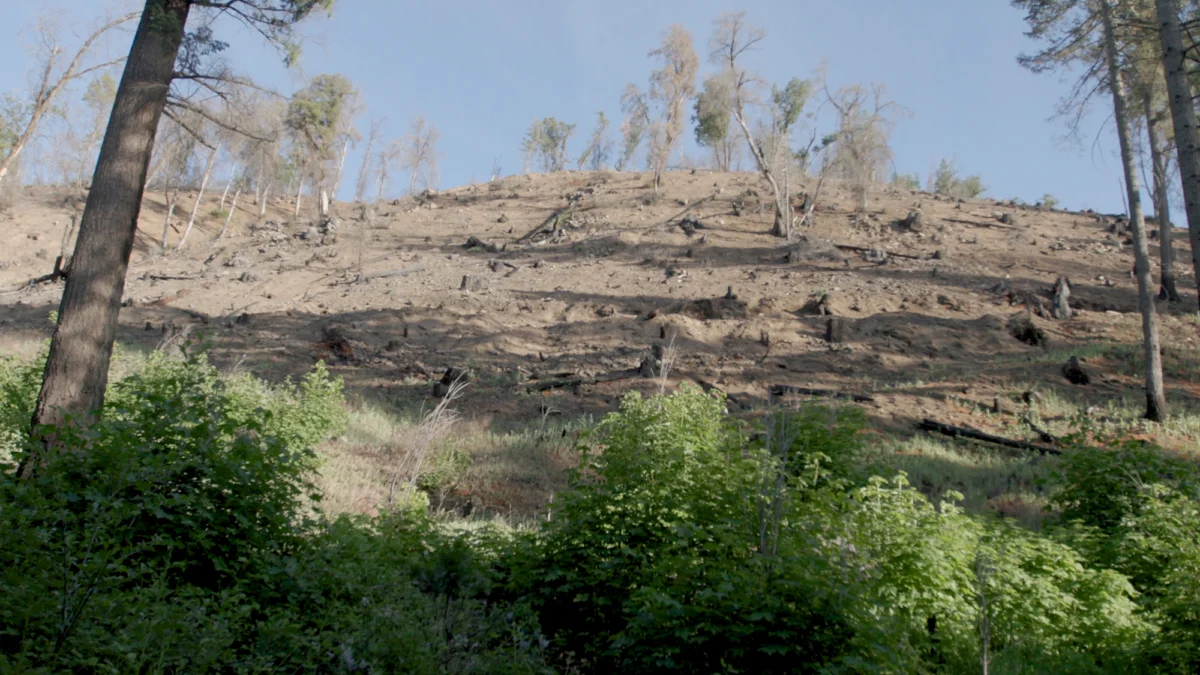
The current surge in herbicide usage is the direct result of a shift in forest management priorities. Following catastrophic wildfires and a federal mandate to increase timber production by 25 percent, the Forest Service has sought the most cost-effective methods to replant and accelerate the growth of commercial timber.
The strategy is simple: by chemically eliminating "competing" native plants—such as bracken ferns, buckbrush, and other shrubs—the agency ensures that water, sunlight, and soil nutrients are funneled exclusively to the commercially valuable pine saplings. While manual clearing is a viable, non-toxic alternative, it is labor-intensive and expensive. A 2024 analysis of the Eldorado National Forest restoration efforts following the Caldor Fire revealed that manual vegetation management costs roughly three times as much as chemical spraying. Faced with the choice between higher overhead and chemical efficiency, the government has opted for the latter.
A Chronology of Conflict
The tension between tribal gatherers and federal land managers is not new; it is a recurring cycle of policy and protest that has spanned over two decades.
- The Early 2000s: Following reports of illnesses—including oral sores and mysterious ailments among tribal members who processed basketry materials—a coalition of Native American groups and environmental non-profits launched a legal assault on the Forest Service.
- 2001 Injunction: A federal judge granted an injunction against the use of herbicides in the Tahoe National Forest, ruling that the government had failed to properly assess the environmental and human health risks under the National Environmental Policy Act (NEPA).
- The Interim Period: Spurred by public outcry and legal scrutiny, the Forest Service significantly reduced its chemical footprint for nearly two decades, favoring mechanical and manual maintenance.
- 2021–Present: The return of large-scale wildfires prompted a pivot back to chemical reliance. Recent documents indicate that over 70,000 acres of the Eldorado National Forest are slated for chemical treatment, reigniting the struggle.
The Toxic Legacy: Data on Chemical Persistence
The primary contention from tribal leaders is that these chemicals do not vanish once they hit the forest floor. In 2001, following the initial legal challenges, the California Department of Pesticide Regulation (DPR) conducted a multiyear study specifically on plants used by tribal communities. The findings were stark: herbicides like glyphosate and triclopyr remain in plant tissues for well over a year.
The study explicitly warned that to ensure safety, gatherers should avoid harvesting materials within 80 weeks of an application. However, the Forest Service’s current operational protocols fall far short of this scientific recommendation. While the agency claims it posts warning signs, these notifications are often removed within 48 hours of spraying. In many instances, the public is not even notified of the chemical application until more than a year after the fact, effectively stripping gatherers of the ability to make informed decisions about their own health.

Furthermore, the environmental impact is not contained to the targeted shrubs. Recent water quality monitoring by the state has found traces of glyphosate and triclopyr in 100 percent of the water samples taken from various streams and drainage ditches in the Central Valley and other forested regions. These chemicals are migrating, infiltrating the watershed, and disrupting the delicate ecological balance of the region.
Ecological Consequences and Invasive Takeover
Beyond the health risks to humans, there is a profound ecological irony in the Forest Service’s reliance on herbicides. While the agency intends to foster a "cleaner" forest for timber, research suggests they are inadvertently creating a landscape more prone to destruction.
Dr. Jun Bando, executive director of the California Native Plant Society, points to a 2010 study in the journal Forest Ecology and Management that highlights a troubling trend: large-scale herbicide use often inhibits the return of native plants and instead clears a vacuum for invasive, fire-prone species.
"This is a particularly destructive way to manage the forest," Dr. Bando explains. "It causes long-term ecological damage." The most common invader to take root in sprayed areas is cheatgrass, an invasive grass that is significantly more flammable than native vegetation. Fire experts categorize these species as "flashy fuels," which burn at higher frequencies and greater intensities than the native shrubs they replace, ultimately putting the very timber plantations the Forest Service is trying to protect at greater risk of burning down.
Official Responses and the Corporate Stance
The response from the federal government has been largely one of silence or adherence to standard regulatory defense. The Forest Service did not respond to requests for comment regarding the discrepancy between their short-term signage protocols and the long-term chemical persistence findings.
Bayer, the current manufacturer of glyphosate, maintains that the product is safe when used according to label instructions. They point to international regulatory approvals as the benchmark for safety. However, this defense rings hollow for many in the international community; the Canadian province of Quebec, a major player in the North American timber industry, has implemented a total ban on the use of glyphosate in its forests, citing similar concerns regarding ecological and public health.
The Human Toll: A Generational Injustice
For many, like 85-year-old Maidu elder Beverly Ogle, the issue is not just about environmental policy—it is a continuation of historical trauma. Ogle draws a direct line between the current spraying of the forest and the mid-19th-century atrocities committed against the Maidu people, during which local governments paid bounties for Native scalps.

"I’m afraid to go out in the backcountry and gather plants," Ogle says. "Are we gathering something that’s got poison on it? It’s kind of like killing our tribe again."
This fear is echoed by Stephen Young, who emphasizes that for the Maidu, basket weaving is an act of prayer. "We need the natural environment to practice our religion and spirituality. If we can’t do that, then our culture is at risk."
The Path Forward: Legislation and Resistance
In response to these grievances, Assemblymember James Ramos, the first Native Californian elected to the state legislature, has introduced the California Indian Freedom Act of 2026. This legislation aims to establish robust protections for tribal customs, granting Native communities the legal standing to challenge state and federal actions that infringe upon their religious and cultural practices.
"We have to stand our ground," Ramos asserts. "We have to make sure our voices are heard."
The bill, which has already cleared the Assembly, represents a critical turning point. It seeks to elevate tribal sovereignty to a level where the government can no longer unilaterally disregard the health of the land that sustains Indigenous traditions.
As the debate moves to the state Senate, the coalition of tribal members, environmental scientists, and concerned citizens grows. They are not merely fighting for a patch of bracken fern or the health of a single stream; they are fighting for the right to exist on the land without being poisoned by the very government that claims to steward it. For the Maidu and their allies, the fight against glyphosate is the latest chapter in a long, resilient history of survival—a struggle to ensure that the forest remains a place of life, rather than a monument to short-sighted, chemical-heavy industrialization.
About the Author