When the summer sun beats down on a parking lot, the asphalt shimmering in the heat, we instinctively reach for lighter clothing to stay cool. The principle is simple: lighter colors reflect the sun’s electromagnetic radiation, while darker colors absorb it. But does this elementary physics hold true when applied to the multi-ton machinery of our daily commutes? For years, drivers have debated whether choosing a black car over a white one is a recipe for a sweltering cabin and a drain on the fuel tank.
Recent research from the Berkeley Lab’s Environmental Energy Technologies Division has finally provided a data-driven look at this phenomenon. By quantifying the thermal and economic differences between vehicle colors, researchers have shed light on a niche but significant aspect of automotive efficiency. While the difference in interior temperature is palpable, the findings regarding fuel economy offer some surprising nuance that may change how fleet managers and individual buyers approach their next vehicle purchase.
The Science of Absorption: Main Facts from the Berkeley Study
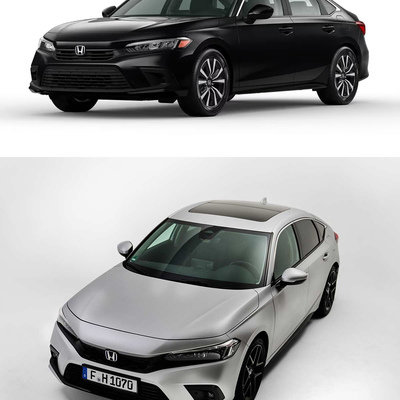
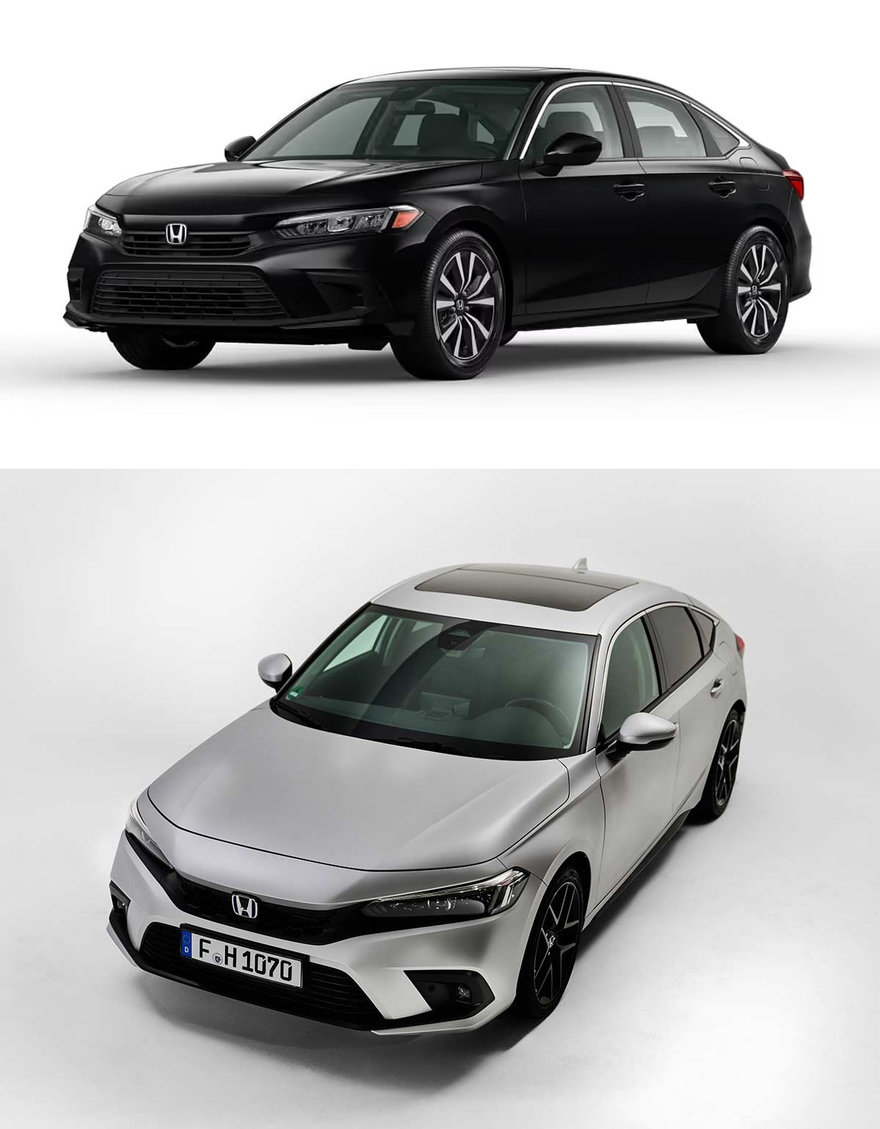
To understand the thermal dynamics of car colors, researchers at the Berkeley Lab conducted a controlled field study in Sacramento, California. The setting was ideal—a region known for its intense, unrelenting summer sun. The team selected two identical Honda Civics: one finished in a deep black paint and the other in a reflective silver.
By parking these vehicles side-by-side under the direct glare of the sun, the researchers were able to isolate color as the primary variable. Over the course of a full day, the team monitored three critical data points: exterior surface temperature, interior cabin temperature, and the specific energy draw required for the air conditioning systems to maintain a constant, comfortable climate.
The findings were stark. The black car proved to be a thermal sponge, reflecting a mere 5% of the incoming sunlight. In contrast, the silver vehicle reflected approximately 58% of solar radiation. This dramatic discrepancy resulted in the roof of the black car reaching temperatures up to 45°F (25°C) hotter than its silver counterpart. This extreme surface heating is the catalyst for the "oven effect" that many drivers of dark-colored vehicles experience upon opening their doors after a long day of parking.
A Chronology of the Research and Methodology
The Berkeley Lab study did not occur in a vacuum; it was part of a larger initiative to understand how "cool materials" can improve the efficiency of our built environment.
Phase 1: Baseline Measurements
At the outset, researchers established the baseline thermal properties of the two vehicles. They utilized infrared sensors to map the surface temperature of the roofs, hoods, and trunks throughout the peak heat hours of the day (10:00 AM to 4:00 PM). During these hours, the sun’s zenith provided the most consistent intensity for testing.
Phase 2: Cabin Climate Analysis
Once the surface temperatures were documented, the team shifted their focus to the cabin. Sensors were placed at the height of a driver’s head to capture the temperature of the air the occupant would actually be breathing. Even with the windows rolled up and the air conditioning off, the internal temperature difference was consistent, with the black vehicle’s cabin hovering about 10°F (5.5°C) hotter than the silver one.
Phase 3: The AC Efficiency Test
The final phase of the chronology involved the "energy draw" experiment. Researchers set the air conditioning to reach and maintain a cabin temperature of 77°F (25°C). This provided the data necessary to calculate the impact on the vehicle’s powertrain. By measuring the compressor’s load, the team determined the specific fuel consumption penalty imposed by the extra heat soak of the dark-colored vehicle.
Supporting Data: The Hidden Costs of Aesthetics
The data indicates that while the thermal discomfort is significant, the actual fuel economy hit is arguably more modest than the average consumer might expect. When the air conditioning systems were pushed to compensate for the solar gain, the energy draw required to keep the black car at 77°F was higher, but only marginally so.
Specifically, the silver car saved just 2% of fuel compared to the black car. To put this into a real-world perspective, if a driver were to operate both vehicles under identical conditions, for every 10 gallons of fuel consumed by the black car, the silver car would consume 9.8 gallons.
While a 2% variance may seem negligible to an individual driving a personal vehicle for a few thousand miles a year, the implications for commercial and municipal fleets are profound. A large-scale logistics company managing a fleet of 10,000 vehicles, each burning through thousands of gallons of fuel annually, would find that a 2% increase in fuel consumption translates into hundreds of thousands of dollars in wasted operational costs—not to mention a significant increase in carbon emissions.
Official Responses and Industry Standards
The automotive industry has long been aware of these thermal disparities. Manufacturers have responded by integrating advanced cabin insulation and UV-reflective glass, which act as a buffer between the exterior surface heat and the interior air.
However, the industry has also acknowledged that color choice remains a branding and aesthetic decision that often outweighs thermodynamic efficiency. When queried about the findings, automotive engineers noted that while the Berkeley study is accurate, modern climate control systems are becoming increasingly efficient, which may further shrink the 2% gap found in the original study.
Furthermore, the study has influenced the public sector. Many government agencies, particularly those in the "Sun Belt" states like Arizona, Texas, and Florida, have moved toward mandatory white or light-colored paint schemes for their utility, police, and municipal fleets. This isn’t just about fuel economy; it is about extending the lifespan of interior components like dashboards, plastics, and electronics, which degrade faster when subjected to the extreme heat cycles inherent in dark-colored vehicles.
Implications: Why Color Still Matters
The implications of this research extend far beyond the gas pump. We must look at the macro-level environmental impact.
The Urban Heat Island Effect
Beyond the car itself, there is the broader issue of the Urban Heat Island (UHI) effect. If millions of cars in a metropolitan area are dark-colored, they act as massive heat sinks, absorbing energy during the day and radiating it back into the environment at night. By switching to lighter, more reflective colors, cities could theoretically lower the ambient temperature of their parking infrastructure, reducing the demand on urban electrical grids during peak summer months.
The Branding Paradox
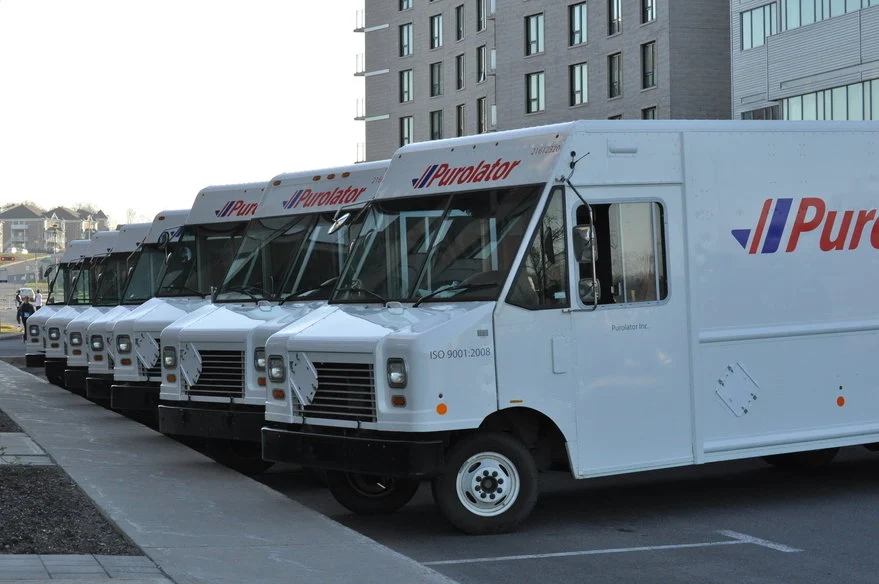
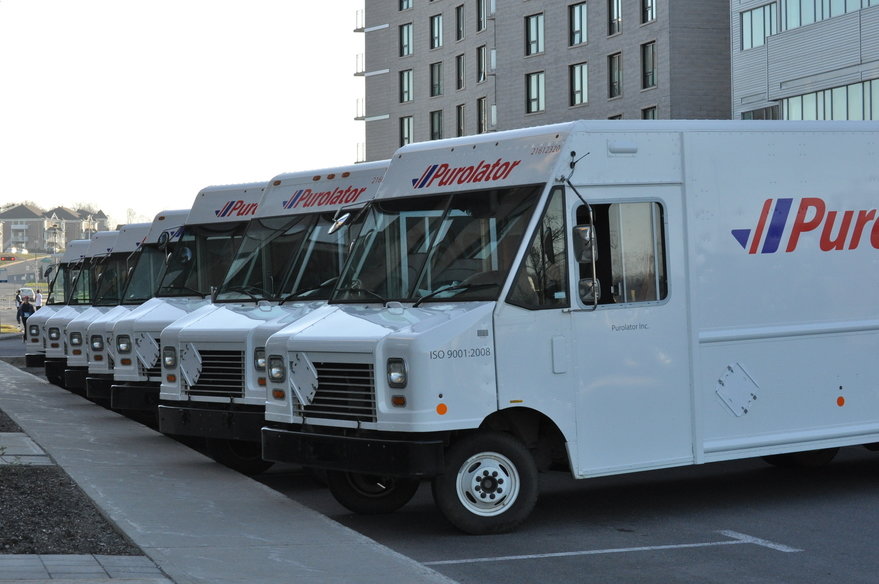
Despite the clear efficiency advantages of lighter colors, many corporations remain wedded to dark palettes for the sake of brand recognition. The most notable example is UPS. Their iconic brown livery was adopted in the early 20th century, a time when air conditioning was a luxury and the primary goal was to hide road dirt and grime. Today, as the company operates a massive global fleet, they continue to pay the "thermal tax" associated with their branding. The decision to stick with brown is a testament to the power of corporate identity, even when it runs contrary to the principles of thermodynamic efficiency.
Consumer Choice and Future Trends
For the average consumer, the choice of a car color remains a personal one, often dictated by resale value and style. However, as the world transitions to electric vehicles (EVs), the importance of thermal efficiency is actually increasing. In an EV, the energy used to run the air conditioning comes directly from the battery pack. A 2% loss in fuel efficiency in a combustion engine might be manageable, but in an EV, that same energy drain can lead to a reduction in total range. As the industry pivots toward electrification, we may see a resurgence in the popularity of silver, white, and other high-reflectivity paints as a standard "efficiency feature" rather than just a cosmetic option.
Conclusion
The Berkeley Lab’s study serves as a fascinating intersection of physics and consumer behavior. While a black car will undeniably be hotter to the touch and require more energy to cool, the "solar penalty" is a manageable one for the average driver. However, for large fleets, urban planners, and the growing market of electric vehicle owners, the color of a vehicle is far more than a stylistic preference—it is a functional component of the machine’s overall energy profile.
As we look toward a future where energy conservation is paramount, the modest 2% fuel savings associated with lighter colors might become a standard benchmark for fleet efficiency. Until then, the next time you find yourself standing in a hot parking lot, you can take comfort in knowing that the heat you feel in your black car is a measurable, if slightly exaggerated, consequence of the laws of physics—a small price to pay for the style that keeps the automotive world moving in black.
About the Author