The rapid expansion of artificial intelligence infrastructure is often framed through the lens of economic prosperity and technological dominance. However, beneath the surface of the gleaming, multi-billion-dollar campuses sprouting across the United States lies a contentious environmental reality: the massive consumption and discharge of water. From the high plains of Wyoming to the river basins of Georgia, communities are increasingly sounding the alarm over what is being flushed back into the nation’s ecosystems.
The Wyoming Incident: A Bacterial Wake-Up Call
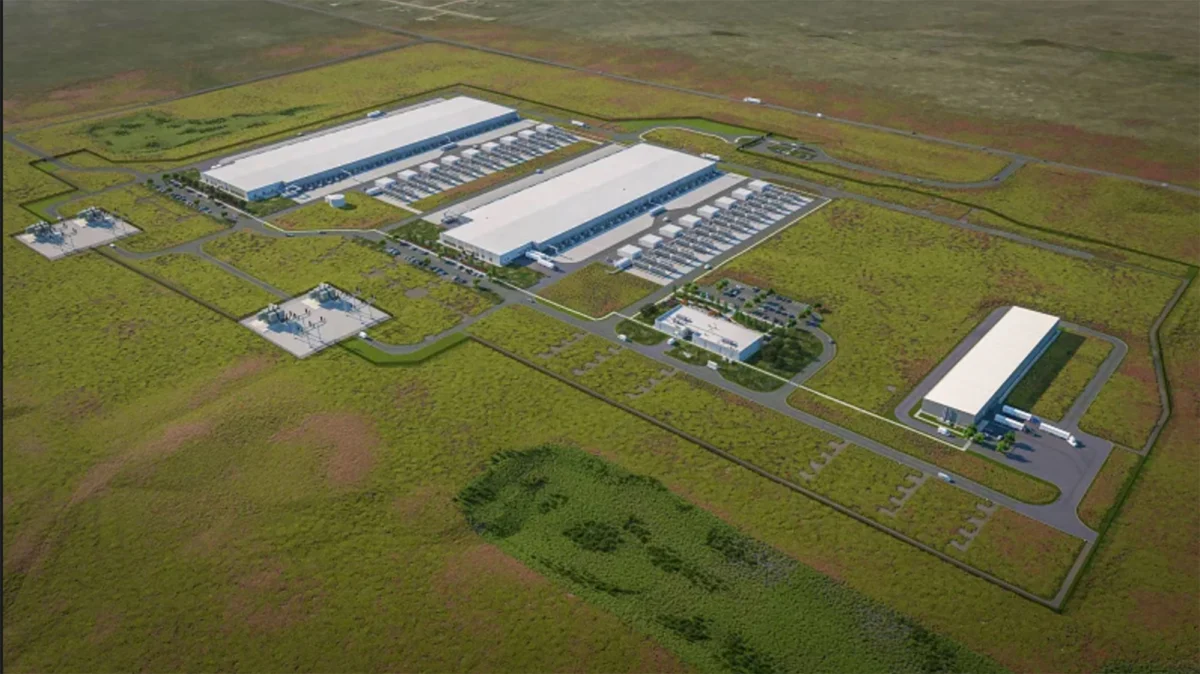
In the quiet industrial landscape of Cheyenne, Wyoming, the construction of an $800 million, 960-acre Meta data center campus recently became the site of a disturbing discovery. During a routine municipal test of water discharged from the facility, officials were shocked to identify Cupriavidus gilardii—a rare and potentially hazardous bacterium.
While the 801,000 gallons of wastewater expelled by a Meta contractor, Goat Systems, were not destined for the public drinking supply, the incident sparked immediate local anxiety. The primary fear among officials was the potential for the bacteria to become aerosolized through evaporation, posing an inhalation risk to residents living near areas where the water was used for irrigation.
The response from the Cheyenne Board of Public Utilities (BOPU) was one of guarded caution. Frank Strong, the city’s water resources manager, confirmed the shutdown of the discharge arrangement, stating, "It was a big surprise. Out of a sense of caution, we’ve shut it down until we can find out more information."
Meta, for its part, has pushed back against the findings. The tech giant cites independent testing conducted by its own contractors, which allegedly found no evidence of the bacteria. "Meta is committed to being a good neighbor in Cheyenne, which includes helping protect local water resources," a company spokesman said. "We appreciate the board of public utilities’ detailed release of information, which confirms the board found no impact to the public or environment."
A Pattern of Environmental Friction: A Chronology of Concern
The incident in Wyoming is far from an isolated event. Over the past two years, the data center industry has faced a rising tide of scrutiny regarding its interaction with local water tables and sewage infrastructure.
- 2025 – The Rise of PFAS Concerns: As the industry leaned further into "closed-loop" cooling systems, reports began to surface linking these systems to the discharge of per- and polyfluoroalkyl substances (PFAS), commonly known as "forever chemicals."
- Early 2026 – The Virginia Enforcement Actions: Authorities in Virginia moved to enforce strict regulatory compliance, citing several data center operators for recurring wastewater and wetland permit violations.
- Mid-2026 – West Virginia Flooding: Runoff from an incomplete data center construction site in West Virginia resulted in repeated flooding incidents, damaging surrounding residential properties and highlighting the lack of adequate stormwater management.
- July 2026 – The Cheyenne Shutdown: Following the detection of Cupriavidus gilardii, the city of Cheyenne officially severed its wastewater acceptance agreement with Meta’s contractor, a move that is currently undergoing a formal appeals process.
- August 2026 – Legal Escalations: Organizations like the Flint Riverkeeper in Georgia formally initiated legal action against the QTS data center in Fayetteville, alleging the illegal discharge of sediment and high concentrations of metals into the Flint River.
Supporting Data: The Scale of Consumption and Contamination
To understand the scope of the problem, one must first understand the industrial thirst of the AI revolution. A mid-sized data center is estimated to consume roughly 300,000 gallons of water per day. This water is used primarily for cooling power-hungry servers, but also for "fill and flush" operations—a process used to clear debris from pipes, which was the specific activity that led to the Wyoming incident.
The Waterkeeper Alliance, an environmental watchdog, reports that 55 of its affiliated groups across the United States are currently embroiled in campaigns related to data center operations. Notably, 80 percent of these campaigns are centered on the fear that toxic pollutants are leaching into the environment through discharged water.
Data centers, while often lauded for their efficiency in energy use, are less transparent about their waste outputs. The contaminants identified by local groups include:
- PFAS: Linked to severe health problems, these chemicals are frequently found in the anti-corrosion additives used in server cooling systems.
- Heavy Metals: Byproducts of pipe scaling and industrial maintenance.
- Thermal Pollution: Discharging water at significantly higher temperatures than the surrounding environment.
The case of the Seneca Lake facility in New York illustrates the dangers of thermal pollution. The facility, which draws water from the lake to cool its hardware, has been accused of discharging water at temperatures as high as 108°F into a local trout stream. According to Yvonne Taylor, president of the National Coalition Against Cryptomining, this thermal load stresses native fish and fosters the growth of harmful algal blooms, which release toxins that can contaminate drinking water for nearby residents.
Official Responses and the "Information Void"
The industry often defends itself by comparing its water usage to the agricultural sector, which consumes significantly more water nationwide. However, critics argue that the comparison is disingenuous, as agricultural water usage is generally part of a biological cycle, whereas data center wastewater is industrial in nature and contains synthetic chemicals.
Governmental transparency has become a major flashpoint. In several instances, local municipalities have been accused of obfuscating water data to protect their relationships with tech giants. In Wisconsin, an environmental group filed a lawsuit against the city of Racine to force the release of water consumption data for a $3.3 billion Microsoft facility. Similarly, in Oregon, the city of The Dalles was involved in a legal battle against a local newspaper to block the release of water data related to a Google facility.
Chris Manganiello, water policy director at Chattahoochee Riverkeeper, summarizes the frustration of local advocates: "We need to know what is in this wastewater, but there is a void of information. I would like there to not be more PFAS going into the river, but there is this level of anxiety because we don’t know what’s there."
Implications: A Political Divide on the "Golden Goose"
The environmental backlash has transcended partisan lines, creating a complicated political landscape. In Wyoming, Republican Congresswoman Harriet Hageman, typically a vocal proponent of industrial development, has demanded answers from Meta CEO Mark Zuckerberg. Her pivot highlights a growing trend among conservatives who are increasingly wary of the localized environmental impacts of large-scale tech projects.
Conversely, federal leadership remains largely focused on the economic potential of AI. President Donald Trump has framed the data center expansion as a "golden goose," characterizing the facilities as essential drivers of job growth and wealth. His administration has actively sought to limit public oversight and the ability for citizens to comment on the environmental impact of these massive infrastructure projects.
"The only reason that communities throughout the USA should not want data centers is if they want to end up being backwards and poor," the President stated in a recent social media post.
Conclusion: The Road Ahead
As the AI arms race accelerates, the tension between rapid infrastructure deployment and environmental stewardship will likely intensify. The "greenwashing" accusations leveled by activists—who argue that the industry paints a picture of "unicorns and rainbows" while ignoring the discharge of toxic waste—reflect a deep-seated distrust.
For the data center industry, the path forward may require a fundamental shift in transparency and operational standards. Without robust, independent, and publicly available monitoring of wastewater discharge, the current "void of information" will continue to be filled by community anxiety, legal challenges, and political friction. Whether these facilities become the engine of a new economic era or a source of persistent ecological degradation remains one of the defining questions of the next decade. As it stands, the water flowing out of these facilities is no longer just a technical detail; it is a matter of public health, environmental integrity, and political survival.
About the Author