In the pantheon of mid-century modern design, few figures command as much reverence as Danish architect and furniture designer Hans J. Wegner. Known as the "Master of the Chair," Wegner created over 500 designs during his prolific career, many of which remain cornerstones of contemporary interior aesthetics. Yet, among this vast collection, one piece stands out as a triumph of both late-career maturity and technical ambition: the PP130 Circle Chair. Designed in 1986, when Wegner was 72 years old, the chair serves as a testament to the idea that true mastery is not found in youthful exuberance, but in the refined, disciplined pursuit of a single, perfect form.
Main Facts: The Intersection of Form and Function
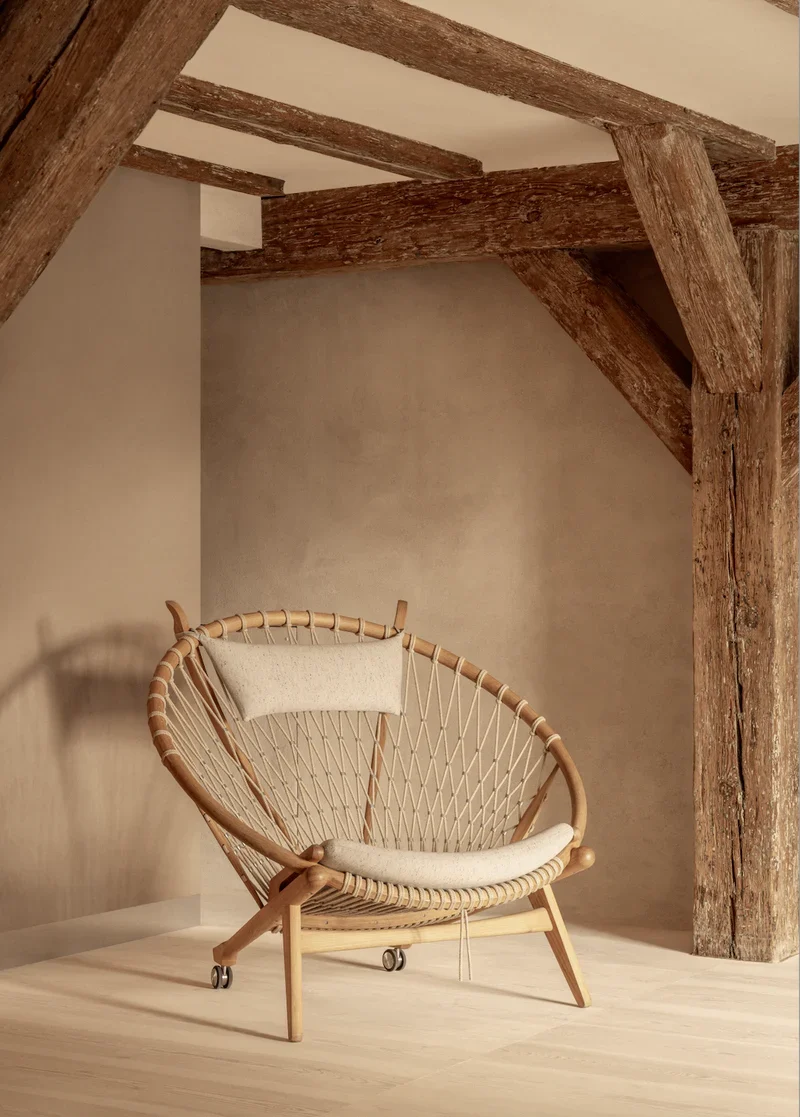
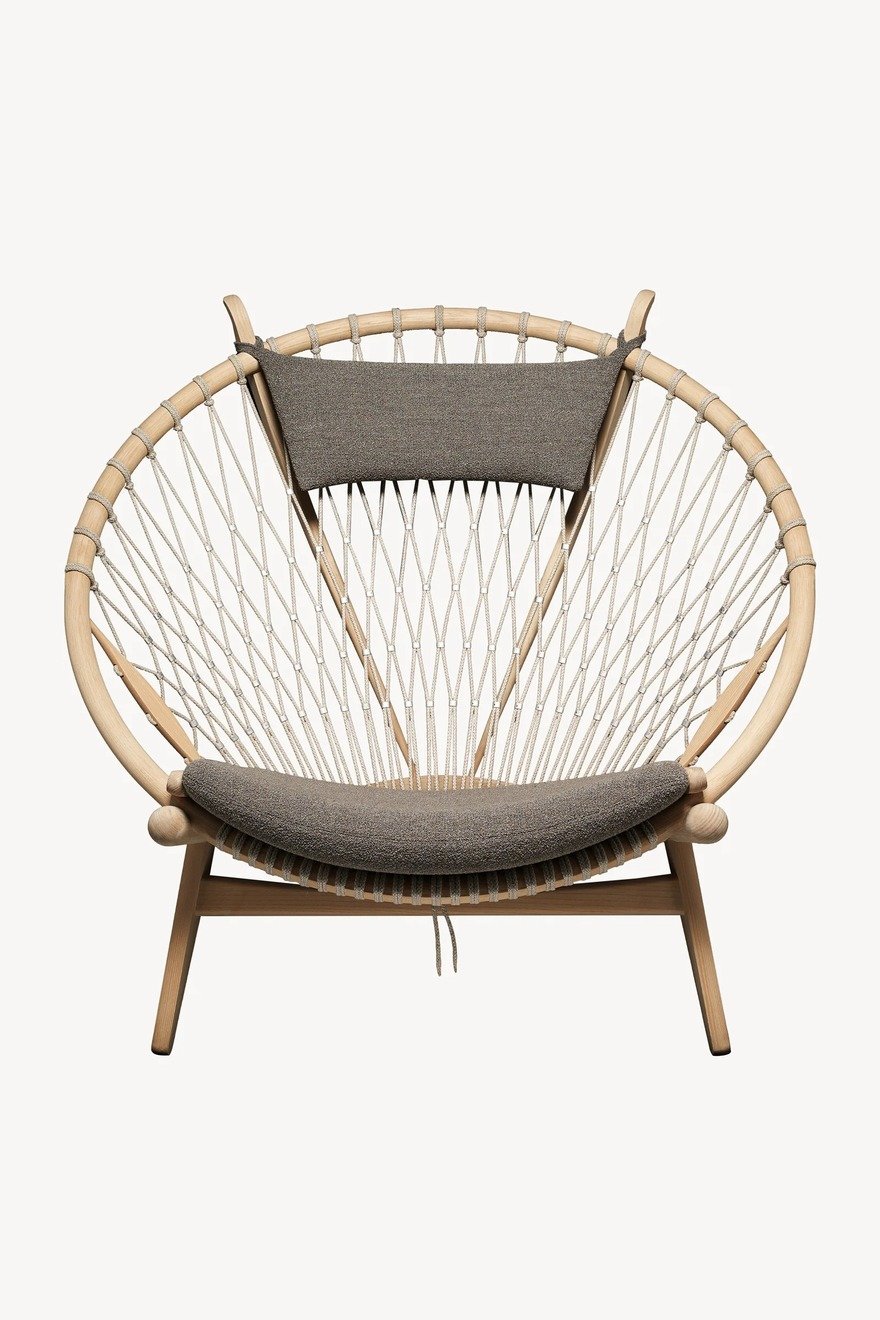
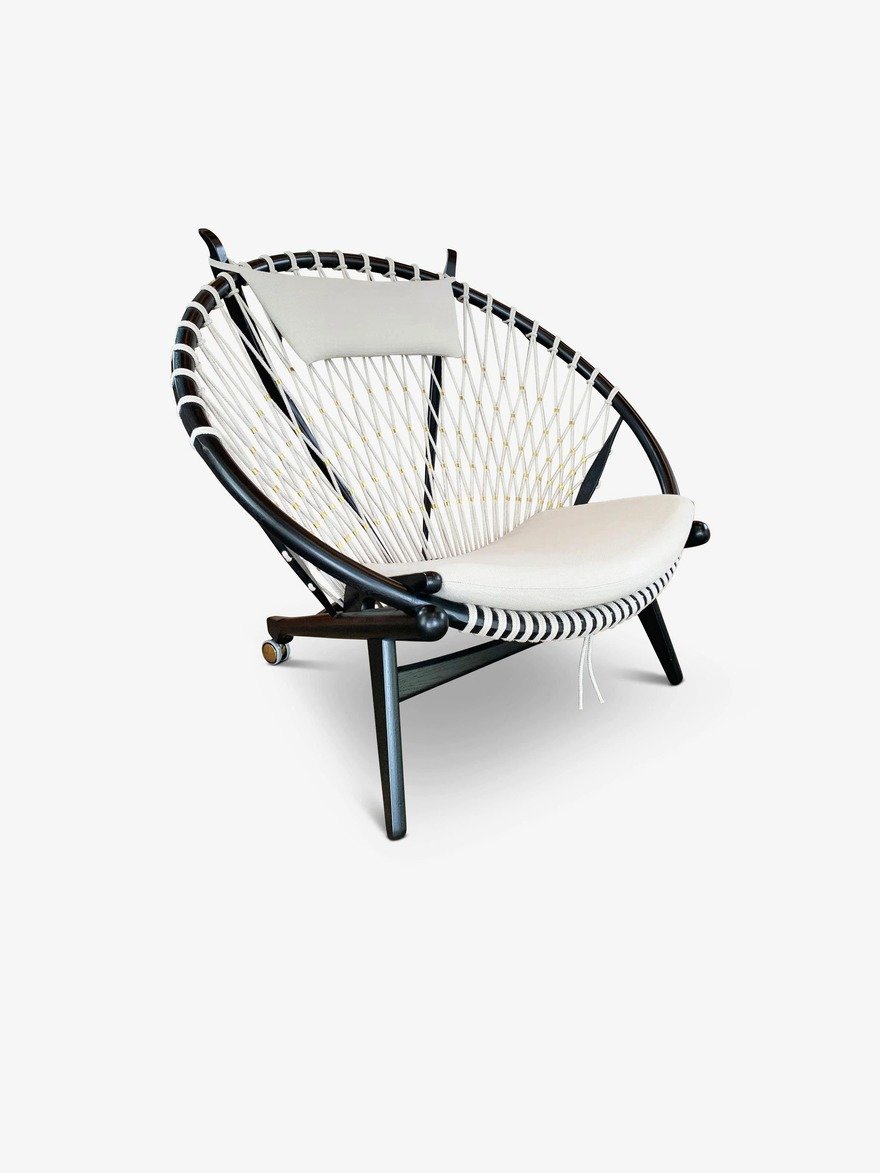
The PP130 Circle Chair is not merely a seat; it is a structural anomaly. At its core, the chair features a massive, steam-bent wooden hoop that creates an iconic, unbroken silhouette. This circular frame supports a sophisticated web of tightly stretched jute—a traditional material that, in this application, provides a surprising degree of structural integrity and ergonomic comfort.
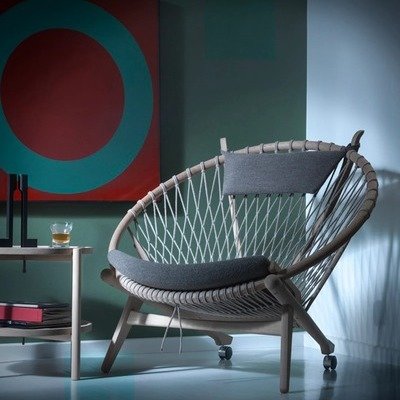
Unlike the rigid, upholstered pieces of the era, the Circle Chair offers a light, airy aesthetic that belies its physical presence. It is a masterclass in transparency, allowing light to pass through the webbed back, effectively minimizing its visual footprint while maximizing its utility. The chair’s primary allure is its geometry; it resolves the tension between the organic curves of the wood and the linear, rhythmic pattern of the jute, resulting in a piece that feels both grounded and weightless.
A Chronological Odyssey: From Concept to Production
The journey of the PP130 began decades before its official release. For years, Wegner had been preoccupied with the challenge of incorporating a perfect circle into the structural design of a chair. While the concept was simple in theory—a circular backrest—the technical execution was a logistical nightmare for cabinetmakers of the time.
The Development Phase
Wegner’s obsession with the circle was driven by a desire to push the boundaries of woodcraft. He sought a design that was spacious enough to allow for various seating positions while remaining compact enough to exist in a modern home. However, the sheer scale of the circular frame meant that any error in the steam-bending process would compromise the structural stability of the entire piece.
The Collaboration with PP Møbler
The breakthrough came through a long-standing partnership with the Danish manufacturer PP Møbler. Known for their uncompromising dedication to craftsmanship, PP Møbler acted as the bridge between Wegner’s visionary sketches and physical reality. The production process involved delicate, high-pressure steam-bending techniques that required years of experimentation. It wasn’t until 1986—nearly a decade after Wegner began sketching the form—that the production intricacies were finally "nailed." When the chair hit the market, it was immediately recognized as a masterpiece of late-20th-century design.
Supporting Data: Engineering the Impossible
To understand the genius of the PP130, one must look at the data behind its construction. The chair is crafted from high-quality hardwoods—typically oak or ash—which are subjected to a rigorous steam-bending process.
- Materiality: The choice of jute is deliberate. It provides a natural, tactile interface that conforms to the user’s body, preventing the "stiff" feeling associated with wooden chairs.
- Structural Load: Despite its delicate appearance, the circular hoop acts as a compression ring, distributing the user’s weight evenly across the frame. This allows for a minimal frame thickness without sacrificing the weight-bearing capacity.
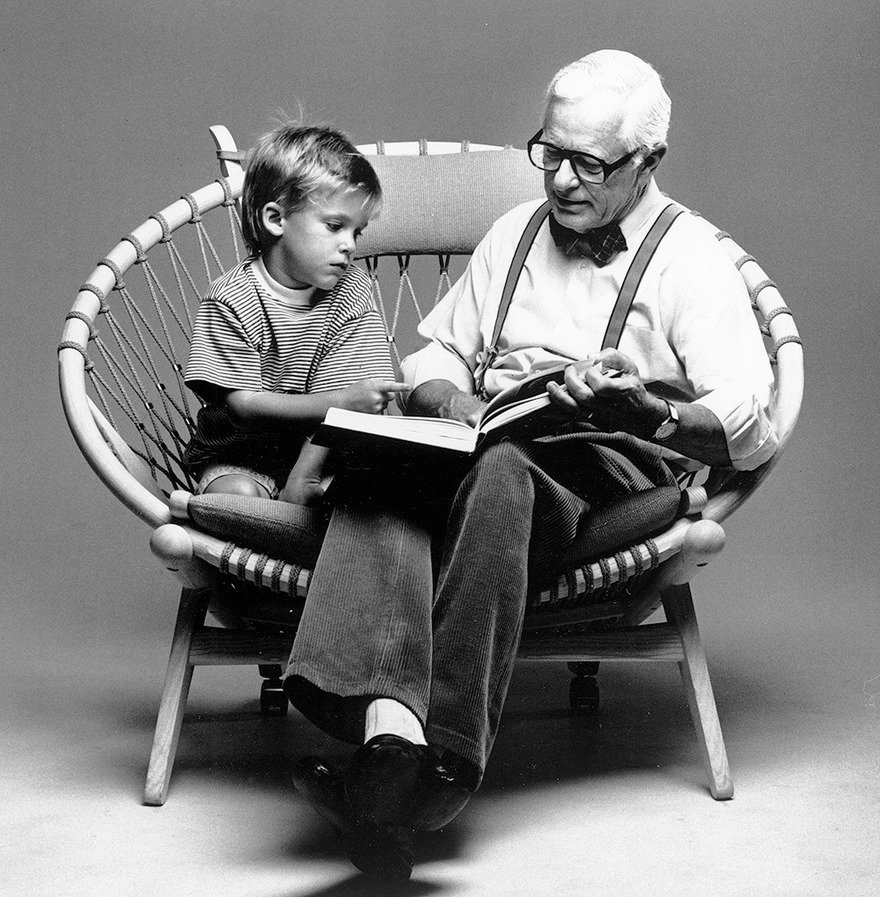
- Dimensions and Proportions: Standing at a height that allows for natural conversation, the chair’s diameter was specifically calculated to support the human spine, proving that Wegner’s late-career work was just as focused on human-centric ergonomics as his early pieces.
Official Responses and Critical Acclaim
Upon its debut in the late 1980s, the design community was stunned by the chair’s defiance of traditional chair architecture. Critics lauded the piece as a "rebellion against the expected."
In various design journals of the era, reviewers noted that while many designers attempt to simplify their work as they age, Wegner chose to complicate his—not for the sake of complexity, but for the sake of completion. PP Møbler, the manufacturer, has maintained the chair in continuous production since its inception, viewing it as the crown jewel of their catalog. According to the company, the PP130 remains one of the most requested pieces for architects looking to add a "sculptural anchor" to a minimalist space.
Implications for Modern Design
The legacy of the PP130 Circle Chair extends far beyond its status as a collector’s item. It stands as a profound statement on the longevity of the creative spirit.
The "Late Style" Phenomenon
Wegner’s work at 72 challenges the common narrative that creative peaks occur in early adulthood. The Circle Chair suggests that "late style"—a term often used to describe the work of artists like Beethoven or Matisse in their final years—is defined by a stripping away of the unnecessary. In the PP130, there is no ornamentation, no excess, and no wasted motion. Every element serves the circle.
Sustainability and Craft
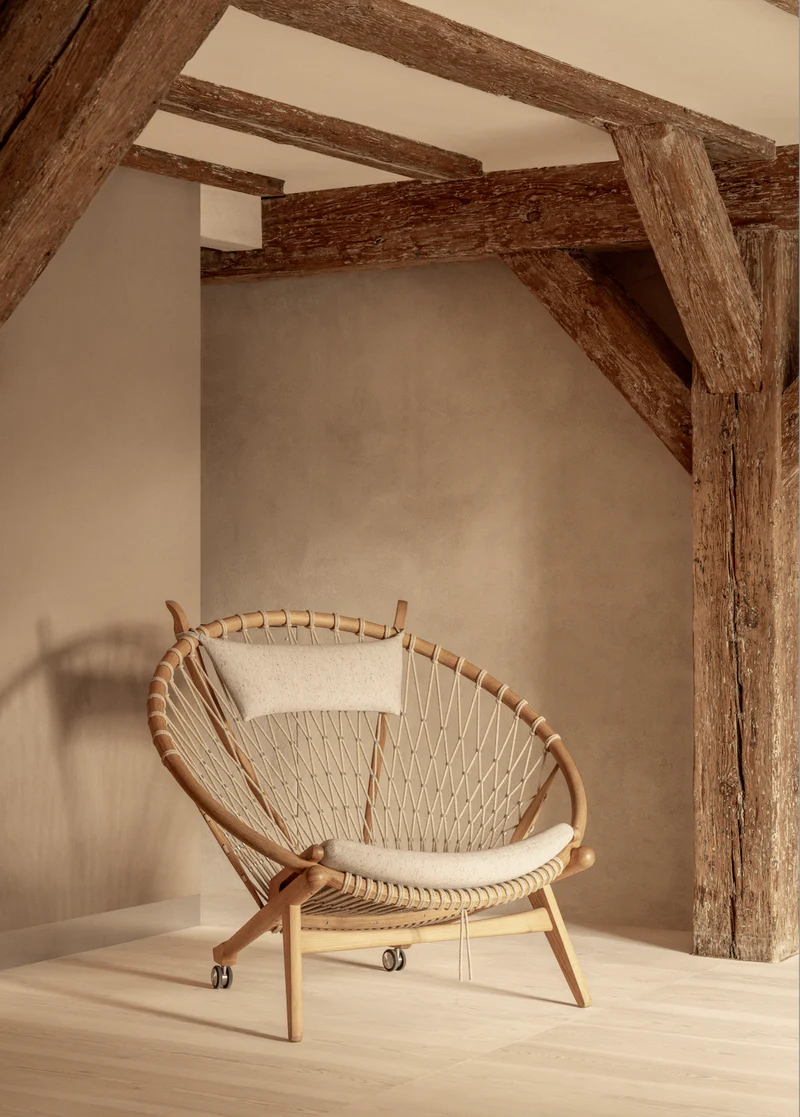
In an era of mass-produced, ephemeral furniture, the PP130 serves as an indictment of "fast design." The chair is built to be passed down through generations. The use of natural materials—wood and jute—ensures that the piece ages with grace. As the wood deepens in color and the jute softens with use, the chair becomes more comfortable, mirroring the very man who designed it.
The Influence on Contemporary Minimalism
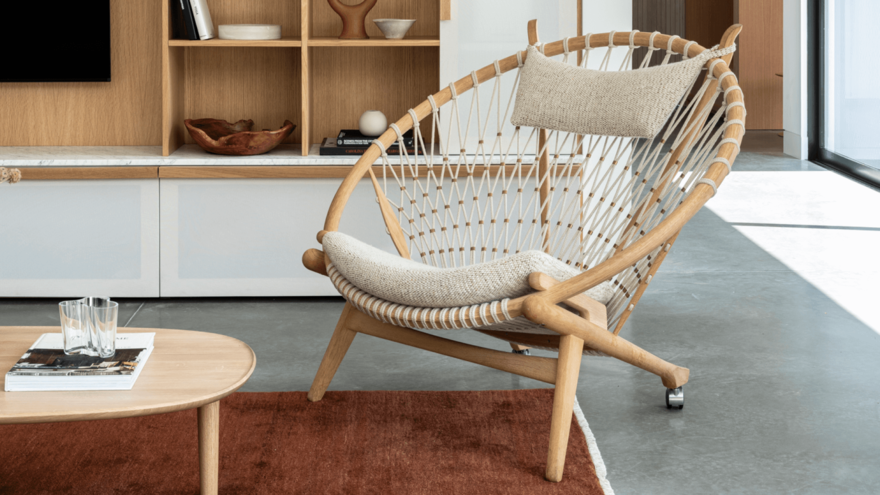
The minimalist movement of the 21st century owes a debt to the structural honesty of the PP130. By revealing the "bones" of the chair—the webbed jute and the exposed joinery—Wegner influenced a generation of designers to move away from hidden fasteners and synthetic coverings. The chair teaches us that if a structure is beautiful, it should not be hidden.
Conclusion: The Timeless Hoop
Hans J. Wegner’s PP130 Circle Chair is a testament to the triumph of human imagination over material limitation. It is a piece of furniture that demands to be seen from every angle, as its circular form changes the geometry of the room it inhabits.
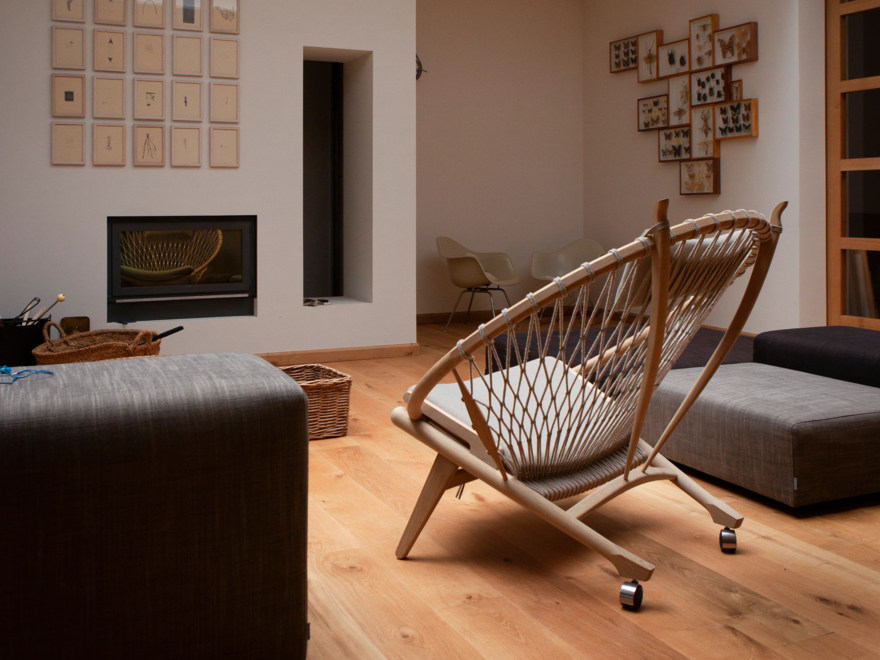
More than 35 years after its market introduction, the chair remains a vibrant part of the global design lexicon. It serves as a reminder that the most revolutionary designs are not necessarily those that incorporate the newest technology, but those that utilize the most enduring principles of physics and art. As we look at the legacy of Wegner, we see a man who spent his life seeking the perfect chair, only to realize in his seventh decade that the circle was the only shape that could truly contain his vision.
The PP130 is not merely a seat; it is a loop that connects the history of traditional woodworking to the future of modern industrial design. It remains, in every sense, a perfect, unbroken circle.
About the Author