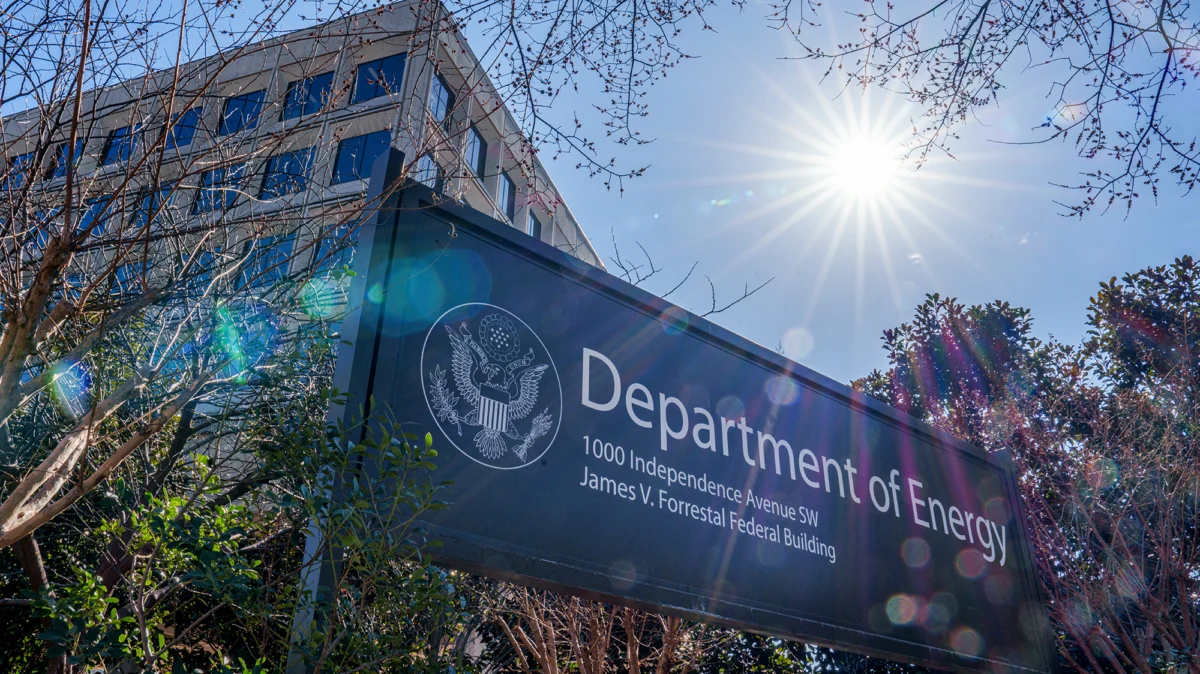
As record-breaking temperatures sweep across the United States, millions of Americans are finding themselves increasingly isolated from federal guidance on how to manage the dual crises of extreme heat and soaring utility costs. In a move that has sparked intense debate among policy experts and consumer advocates, the Department of Energy (DOE) has scrubbed at least 1,662 webpages from its official digital infrastructure.
The deleted content, which provided critical, non-partisan guidance on home cooling, energy efficiency, and grid stability, vanished from the public domain on July 3, 2026. This digital purge is not an isolated event; it represents a deepening trend of federal information removal that critics argue is designed to obscure data that contradicts the current administration’s deregulatory agenda.
The Disappearing Data: A Timeline of Digital Erosion
The removal of these resources—previously housed under the DOE’s "Energy Saver" portal—coincides with a broader, more aggressive push by the Trump administration to dismantle decades-old appliance efficiency standards.
Chronology of the Purge
- May 2025: The Department of Energy initiates an attempt to repeal 47 separate regulations, largely targeting energy efficiency standards for household appliances.
- Early 2026: An administration-led effort to terminate the Energy Star program is successfully blocked by a bipartisan coalition in Congress, marking a rare moment of legislative pushback.
- June 2026: The administration formally announces a campaign to "Permanently End Green New Scam Appliance Mandates," framing energy efficiency as a burden rather than a benefit.
- July 3, 2026: Researchers at the Internet Archive observe a massive, synchronized removal of 1,662 URLs from the DOE website.
- July 15, 2026: Public scrutiny intensifies following reports that the deletions occurred shortly after New York City Mayor Zohran Mamdani publicly advised residents to set thermostats to 78 degrees to prevent grid collapse during a period of extreme, record-setting heat.
The timing of the deletions suggests a coordinated effort to align federal web presence with the administration’s stated desire to decouple the government from energy-conservation messaging. By removing guides on weatherstripping, air conditioner maintenance, and home cooling strategies, the administration is effectively erasing the "how-to" manual for energy independence at the household level.
Supporting Data: Why Efficiency Matters
The impact of these deletions extends far beyond a mere loss of information. The "Energy Saver" pages were not obscure files; they were vital resources frequently accessed by the public. According to an analysis of General Services Administration (GSA) web traffic data, over 300 of the removed pages recorded more than 160,000 views in the 30 days preceding their deletion.
These pages provided the public with the tools to lower their monthly utility bills—a critical need as heat-related energy demand spikes. According to data from the Appliance Standards Awareness Project (ASAP), the current efficiency standards are responsible for significantly lower electricity demand than would otherwise exist.
A recent analysis by the coalition found that upcoming, planned updates to these standards could save the average American household $160 annually. Furthermore, these standards are essential for the stability of the national electrical grid. As the demand for electricity grows—driven in part by the energy-intensive needs of AI datacenters and the increasing frequency of extreme heat events—efficiency becomes a matter of national security.
"Having a functioning air conditioner is a health and safety issue for the elderly, for folks with health conditions, and for the very young," says Andrew deLaski, executive director at the Appliance Standards Awareness Project. "Ensuring that the standards are up to date helps to keep their energy consumption under control so that people can afford to operate these products."
Official Responses and the "Anti-Regulatory Zeal"
The Department of Energy has remained conspicuously silent regarding the motivation behind the mass deletion. When approached for comment by the Guardian, the agency did not provide an explanation as to why the information was removed or if the decision was directly linked to the administration’s "Green New Scam" policy initiative.
For observers in the energy policy sector, the silence speaks volumes. Itai Vardi, research manager at the Energy and Policy Institute—a watchdog organization that monitors the influence of fossil fuel interests—characterizes the move as both ironic and harmful.
"It’s ironic that the Trump administration and Republicans love to talk about consumer choice as a tenet of American freedom, but they’re actually taking that away," Vardi noted. "What they’re doing here is rolling back the rules on energy efficiency, but also trying to hide helpful tips and information for the public, and it’s going to cost people more money."
Critics argue that this is not merely a bureaucratic streamlining, but a targeted ideological campaign. The move is viewed as a precursor to broader efforts outlined in the Project 2025 platform, which seeks to systematically deregulate the fossil fuel industry and gut the administrative state’s capacity to implement environmental or efficiency-based oversight.
Broader Implications: The Future of Federal Information
The removal of these DOE pages is part of a larger pattern of "data scrubbing" that has been observed across multiple federal agencies. From the removal of data regarding queer and trans youth to the systematic stripping of resources from the Consumer Financial Protection Bureau, the current administration has demonstrated a willingness to weaponize website architecture to suppress information that it deems unfavorable to its political goals.
The Human and Economic Cost
The implications for the average citizen are twofold:
- Economic Burden: By removing guides on energy conservation, the government is effectively removing the tools citizens use to keep their utility bills manageable. In an era of rising energy prices, this is a direct transfer of wealth from the consumer to utility providers.
- Public Health Risk: As the climate changes, heatwaves are becoming more frequent, more intense, and longer-lasting. Federal guidance on how to safely cool a home during a heatwave is not just "helpful info"—it is a life-saving resource. Withdrawing that guidance, especially during a heatwave, creates a direct risk to vulnerable populations.
"It’s a senseless dedication to an anti-regulatory agenda driven by what I would say are anti-regulatory zealots," deLaski added.
Conclusion: A New Era of Information Control
As the summer of 2026 continues to break temperature records, the silence from the Department of Energy leaves the public in a precarious position. The digital library of the federal government, once intended to serve as a beacon of public knowledge and consumer empowerment, is being transformed into a curated space that serves the interests of deregulation over the needs of the public.
While the Internet Archive and other independent researchers continue to preserve the history of these deleted pages, the immediate, real-time access to this information has been severed. For a population currently staring down the barrel of a multi-week heatwave, the missing pages are more than just a political controversy—they are a significant obstacle to safety and economic stability in a changing climate.
The administration’s refusal to account for these changes suggests that this is not a temporary glitch, but a permanent shift in how the government communicates—or fails to communicate—with the citizens it is tasked to protect.
About the Author