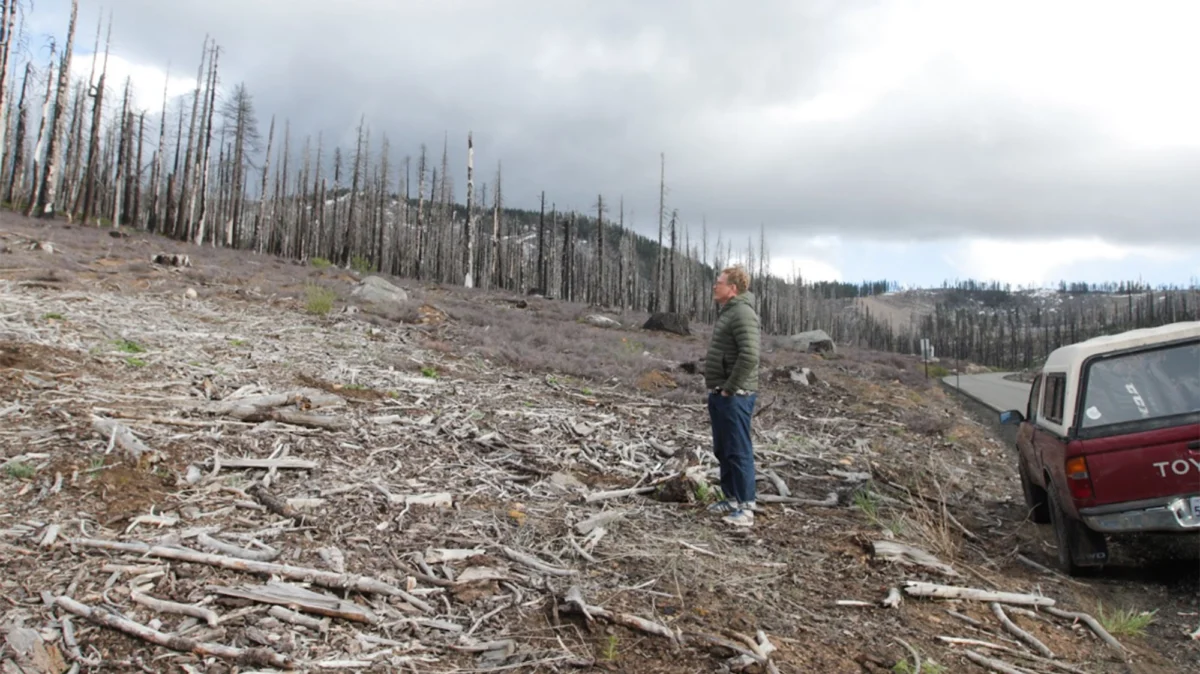
In the scorched aftermath of California’s increasingly frequent and devastating wildfires, the United States Forest Service (USFS) has embarked on an ambitious, multi-billion-dollar mission: reforestation. Yet, as the agency works to restore the verdant landscapes of the Sierra Nevada and beyond, a shadow has fallen over these efforts. An extensive year-long investigation by Mother Jones, conducted in partnership with PBS NewsHour, has unveiled a troubling reality—the systematic, large-scale application of glyphosate, the active ingredient in Roundup, on public forest lands.
As the debate intensifies, the controversy has moved from the quiet hillsides of Lake Tahoe to the halls of Congress, sparking a national reckoning over the safety of the world’s most widely used herbicide and the integrity of the federal agencies tasked with regulating it.
The Main Facts: A Chemical Intervention in the Wild
The USFS has increasingly turned to chemical herbicides as a "cost-effective" tool to manage vegetation in post-fire reforestation zones. The goal is to clear out brush and invasive grasses that compete with newly planted seedlings. However, the scale of this operation is staggering. Across California’s national forests, thousands of acres are being treated with glyphosate, a move that critics argue is turning public wilderness into industrial-scale chemical testing grounds.
For local residents, particularly in the Lake Tahoe region, the revelation was a shock. Protests have erupted at town halls, with community members expressing alarm over the proximity of these sprays to water sources, recreational hiking trails, and homes. The contention is simple: in a state that prides itself on environmental stewardship, why is the government deploying a substance that has become the centerpiece of the largest mass-tort litigation in American history?
A Chronology of Conflict and Revelation
The timeline of this crisis reveals a pattern of administrative secrecy and public outcry:
- 2018: Bayer completes its acquisition of Monsanto, inheriting not just a product line but a multi-billion-dollar legal liability regarding glyphosate’s potential carcinogenic effects.
- 2025–2026: Mother Jones launches an investigative deep dive into the USFS’s reforestation protocols, revealing a massive uptick in herbicide reliance.
- April 2026: The investigation goes public, documenting the extent of glyphosate spraying in California forests and the connection between these practices and the declining public trust in federal land management.
- May 2026: Public pressure reaches a fever pitch in Lake Tahoe. Residents organize rallies, demanding transparency and a halt to the spraying programs in El Dorado and Lassen National Forests.
- June 2026: Congressional oversight begins. Lawmakers, including Rep. Chellie Pingree and Rep. Jared Huffman, send formal inquiries to the USFS, demanding data on the long-term ecological impact of these applications.
- Late June 2026: The investigation uncovers evidence that Monsanto orchestrated "ghostwritten" studies—research presented as independent but secretly controlled by the corporation—which the EPA utilized to validate the safety of glyphosate.
Supporting Data: The Anatomy of a Scientific Scandal
The core of the controversy lies in the scientific foundation—or lack thereof—upon which the EPA bases its safety claims. The Mother Jones investigation unearthed documents proving that Monsanto manipulated scientific literature to influence regulatory outcomes.
The Ghostwriting Mechanism
The documents reveal a sophisticated strategy: Monsanto scientists would draft articles, curate the data, and then recruit prominent academics to sign their names as authors. This practice, identified by the EPA itself as "research misconduct," gave the appearance of academic consensus where, in reality, there was corporate orchestration. Despite acknowledging this misconduct, the EPA continued to cite these specific ghostwritten studies in their own government reports to justify the continued approval of glyphosate.
Legal and Economic Fallout
Bayer currently faces more than $12 billion in legal settlements. The company maintains that Roundup is safe when used according to label instructions. However, the legal landscape shifted significantly last month when the Supreme Court ruled 7–2 that federal law preempts state-level labeling requirements. This means that, under current law, individuals cannot sue companies for failing to disclose cancer risks on labels if the EPA—the ultimate arbiter of safety—does not require those warnings.
Official Responses: A Clash of Perspectives
The divide between the federal government, corporate manufacturers, and the public remains stark.
The Forest Service’s Position
The USFS maintains that the use of herbicides is a necessary, science-based tool to ensure forest recovery. They argue that without chemical suppression of invasive vegetation, the survival rate of new tree plantations—critical for carbon sequestration and fire resilience—would be significantly lower. They emphasize that all applications comply with federal safety standards.
Bayer’s Defense
Bayer continues to assert that their product is safe. In a statement, the company noted that regulators around the world—from the European Union to the EPA—have reviewed the data and concluded that glyphosate is not carcinogenic when used as directed. They emphasize that the lawsuits are an unfortunate result of public fear rather than empirical scientific consensus.
Congressional Scrutiny
In contrast, members of Congress have signaled that the status quo is unacceptable. The inquiries sent to the Forest Service seek to understand:
- Transparency: Why was the public not more informed about the scale of the spraying?
- Alternatives: Why is the agency not prioritizing mechanical or manual vegetation removal over chemical herbicides?
- Conflict of Interest: How will the USFS reconcile its practices with the emerging revelations regarding the EPA’s reliance on tainted, ghostwritten industry studies?
Implications: The Future of Public Land Management
The implications of this investigation extend far beyond the borders of California. It touches on the fundamental question of how we define "restoration." Is a forest truly restored if it is achieved through the blanket application of industrial chemicals?
Erosion of Regulatory Trust
The revelation that the EPA knowingly cited ghostwritten research is a massive blow to the credibility of federal oversight. If the regulatory bodies tasked with protecting public health are willing to overlook "research misconduct" to support industrial interests, it creates a dangerous precedent that ripples through every environmental policy debate, from pesticide use to water quality standards.
The Ecological Unknowns
While the USFS focuses on tree survival rates, independent ecologists are raising questions about the long-term impact on soil health, local wildlife, and the intricate micro-ecosystems of the Sierra Nevada. Glyphosate is a broad-spectrum herbicide; it does not discriminate between a invasive weed and the native flora that forms the backbone of a healthy forest habitat. The cumulative impact of these sprays on the biodiversity of recovering landscapes remains largely unstudied and poorly understood.
A Turning Point for Policy
As the public outcry continues to grow, the federal government is being forced into a defensive position. The Supreme Court ruling may have provided a temporary legal shield for Bayer, but it has done nothing to quell the public’s moral and environmental concerns. The path forward likely involves a demand for legislative reform—moving toward stricter federal oversight that prevents agencies from relying on industry-funded research and mandates a more transparent, participatory approach to public land management.
For the residents of Lake Tahoe and the broader environmental community, the fight is far from over. They are not merely protesting a chemical; they are advocating for a fundamental change in how the government interacts with the land it holds in trust for the American people. The "Toxic Canopy" represents not just a local dispute, but a critical moment in the history of American environmentalism, where the ghosts of scientific misconduct are finally being forced into the light.
About the Author